

Why Fume Extraction is Important for Your Kitchen Air Quality
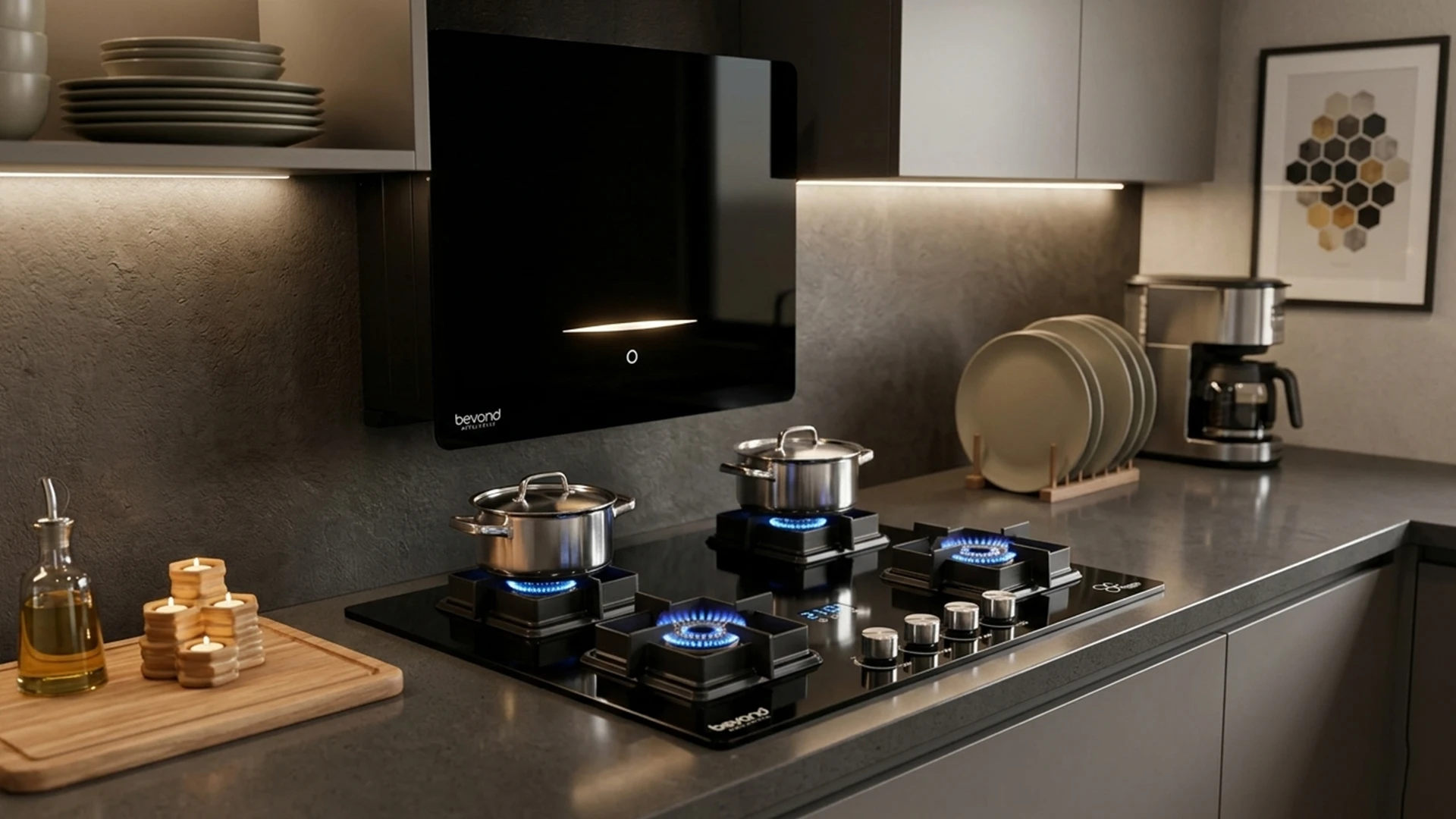
Cooking transforms your kitchen into a hub of delicious aromas and family gatherings, but it also releases invisible pollutants that can seriously impact your health. Every time you heat oil, sauté spices, or grill vegetables, your kitchen air fills with harmful particles, grease, and toxic compounds. These cooking fumes contain everything from fine particulate matter to volatile organic compounds that can trigger respiratory issues, eye irritation, and long-term health problems. Understanding why fume extraction is important goes beyond just eliminating cooking odors – it's about creating a safe environment where your family can breathe clean air while enjoying home-cooked meals. Modern kitchen ventilation systems, particularly advanced chimneys with powerful suction capabilities, serve as your first line of defense against these airborne contaminants.
Cooking fumes contain harmful particles, grease, and toxic compounds that cause immediate respiratory irritation and long-term health risks including cardiovascular disease
Effective fume extraction systems capture and filter these pollutants before they spread throughout your home, protecting your family's health and maintaining clean indoor air quality
Proper kitchen ventilation eliminates cooking odors, reduces grease buildup, prevents moisture damage, and creates a safer cooking environment for daily meal preparation
Kitchen fumes emerge from various cooking processes, creating a complex mixture of airborne pollutants that pose serious health risks. When you heat cooking oils beyond their smoke point, they release fine particulate matter and toxic compounds directly into your breathing space. Gas cooking produces nitrogen dioxide, while high-temperature cooking methods generate volatile organic compounds that can accumulate in poorly ventilated spaces.
The health risks from cooking fumes extend far beyond temporary discomfort. Short-term exposure causes eye irritation, throat scratching, and respiratory discomfort that many people dismiss as normal cooking side effects. However, regular exposure to these pollutants contributes to more serious long-term health consequences including asthma development, cardiovascular disease, and increased cancer risk.
Common symptoms from poor air quality in kitchen environments include headaches during cooking, watery eyes when frying foods, and persistent coughing after preparing spicy meals. Children and elderly family members face heightened vulnerability to these pollutants due to their developing or compromised respiratory systems.
Research shows that prolonged exposure to cooking fumes increases the risk of respiratory diseases and cardiovascular problems. Women who cook frequently without proper ventilation show higher rates of lung function decline compared to those with effective fume extraction systems.
Understanding how fume extractors work helps you appreciate their critical role in maintaining kitchen air quality. These systems operate on three fundamental principles: capture, containment, and filtration. When you turn on your kitchen chimney, it creates negative pressure above your cooking surface, drawing contaminated air upward before it can spread throughout your home.
Modern fume extraction systems like Beyond Appliances' Orion Chimney utilize 3D suction technology that captures smoke and grease particles from multiple directions, ensuring comprehensive coverage even during high-heat Indian cooking. The 1600 CMH suction capacity handles heavy oil and spice loads that traditional ventilation struggles to manage effectively.
Advanced chimneys employ multiple filtration stages to clean your kitchen air. Baffle filters trap grease particles, while activated carbon filters absorb cooking odors and volatile compounds. Beyond Appliances' filterless technology in models like the Eris Chimney eliminates filter maintenance by directly exhausting smoke and grease through Auto Clean technology.
Ducted systems exhaust contaminated air outside your home, providing the most effective fume removal. Recirculating systems filter air through carbon filters before returning it to your kitchen. Beyond Appliances' Plug 'N' Play models offer ductless installation without core cutting, making them ideal for apartments or kitchens where external ducting isn't possible.
The fume extraction benefits extend throughout your entire home, creating a safer and more comfortable cooking environment. Effective ventilation for cooking fumes immediately improves air quality by removing airborne grease particles, eliminating cooking smoke, and controlling temperature and humidity levels that can make your kitchen uncomfortable during extended cooking sessions.
Health protection represents the most significant benefit of proper fume extraction. By capturing pollutants at their source, quality kitchen chimneys reduce respiratory irritation and lower your family's exposure to carcinogenic compounds released during high-temperature cooking. This protection proves especially valuable for households with young children, elderly members, or anyone with existing respiratory conditions.
Removing cooking odors prevents them from spreading to other rooms and lingering in fabrics and furniture. Effective fume extraction also reduces grease buildup on kitchen surfaces, cabinets, and appliances, extending their lifespan and reducing cleaning requirements.
Modern BLDC motor technology, like that found in Beyond Appliances' Plug 'N' Play BLDC Chimney, operates more efficiently while producing less noise. The 15-year motor warranty reflects the durability and long-term value of investing in quality fume extraction equipment.
Selecting effective kitchen fume removal equipment requires understanding your specific cooking habits and kitchen layout. The cooker hood importance becomes clear when you consider that inadequate ventilation allows pollutants to accumulate and spread throughout your home, affecting indoor air quality in living areas far from your kitchen.
Range hood sizing plays a crucial role in extraction effectiveness. Your chimney should match or exceed your cooktop width to ensure proper coverage. Beyond Appliances offers models in 60cm and 90cm variants to accommodate different kitchen configurations, with suction capacities ranging from 1400 to 1600 CMH to handle various cooking intensities.
Variable speed controls allow you to adjust suction based on cooking intensity, while noise levels affect your cooking experience. The Eris Chimney operates at just 58dB, ensuring quiet operation even at high suction levels. Smart features like Android screens in the Asteria Chimney provide convenient controls and cooking assistance.
Traditional chimneys require ducting and core cutting, which may not be feasible in all kitchens. Beyond Appliances' innovative Plug 'N' Play technology eliminates these requirements, offering India's first truly ductless installation that maintains powerful 1600 CMH suction without compromising performance.
The importance of kitchen ventilation extends beyond removing cooking fumes to encompass comprehensive air quality management. Natural ventilation through windows and doors provides supplementary air circulation, while mechanical ventilation systems ensure consistent air exchange even when natural ventilation isn't available.
Moisture control prevents condensation that can lead to mold and mildew growth in your kitchen. Steam from cooking, dishwashing, and food preparation creates humidity that proper ventilation systems manage effectively, protecting your kitchen surfaces and maintaining comfortable cooking conditions.
Modern kitchen ventilation works as part of your home's overall air circulation strategy. Smart chimneys with Android operating systems, like Beyond Appliances' Orion model, can integrate with home automation systems to coordinate ventilation with other air quality management devices.
Effective ventilation systems provide crucial smoke clearance during cooking incidents, helping prevent small kitchen fires from spreading. The powerful suction capabilities of advanced chimneys quickly remove smoke and heat, improving visibility and safety during emergency situations.
Establishing a safe cooking environment requires combining proper equipment with smart operating practices. Turn on your fume extraction system before you begin cooking to establish airflow patterns that capture pollutants from the start. Continue running the system for 10-15 minutes after cooking to clear residual particles and odors.
Different cooking methods require adjusted ventilation strategies. High-heat cooking, deep frying, and spice tempering generate more pollutants and require higher suction levels. Gas cooking produces nitrogen dioxide that requires consistent ventilation, while electric cooking may generate fewer immediate pollutants but still benefits from odor removal.
Regular maintenance ensures your fume extraction system continues protecting your family's health. Beyond Appliances' Auto Clean technology simplifies maintenance by using heat to melt grease and oil for easy collection in removable oil trays. The activated carbon filter in Plug 'N' Play models lasts four years, reducing replacement frequency and maintenance costs.
Pay attention to cooking odor persistence, grease accumulation on surfaces, and family members' respiratory comfort as indicators of ventilation effectiveness. If odors linger or family members experience irritation during cooking, your current ventilation may need upgrading or adjustment.
A fume extraction system captures and removes harmful pollutants, grease particles, and toxic compounds released during cooking before they can spread throughout your home. It protects your family's health by maintaining clean indoor air quality and preventing respiratory irritation from cooking fumes.
Kitchen fume extractors should provide 100-150 CFM per linear foot of cooktop width. For Indian cooking with heavy oil and spice use, higher capacity models like Beyond Appliances' 1600 CMH chimneys ensure adequate pollutant removal even during intensive cooking sessions.
Modern ductless fume extractors with activated carbon filtration work effectively for odor removal and particle filtration. Beyond Appliances' Plug 'N' Play models demonstrate that ductless systems can achieve powerful suction without requiring core cutting or external ducting installation.
Traditional baffle filters require cleaning every 2-3 months with heavy cooking use. However, filterless technology like that in Beyond Appliances' Orion and Eris models eliminates filter cleaning through Auto Clean systems that automatically manage grease removal.
Poor kitchen ventilation shows through persistent cooking odors, visible grease buildup on surfaces, condensation on windows during cooking, and family members experiencing eye irritation or respiratory discomfort while cooking. These symptoms indicate your current system needs upgrading or maintenance.
Understanding why fume extraction is important empowers you to make informed decisions about your family's health and cooking environment. Effective kitchen ventilation goes beyond convenience to provide essential protection against harmful pollutants that cooking inevitably generates. Modern fume extraction systems offer sophisticated solutions that combine powerful performance with user-friendly features, making it easier than ever to maintain clean kitchen air quality. Whether you choose traditional ducted systems or innovative ductless technology, investing in quality fume extraction creates a safer, more comfortable cooking environment where your family can enjoy home-prepared meals without compromising their health. The key lies in selecting equipment that matches your cooking habits, kitchen layout, and performance requirements while maintaining consistent operation and proper maintenance practices.
