

How to Choose the Perfect Cooktop: A Guide
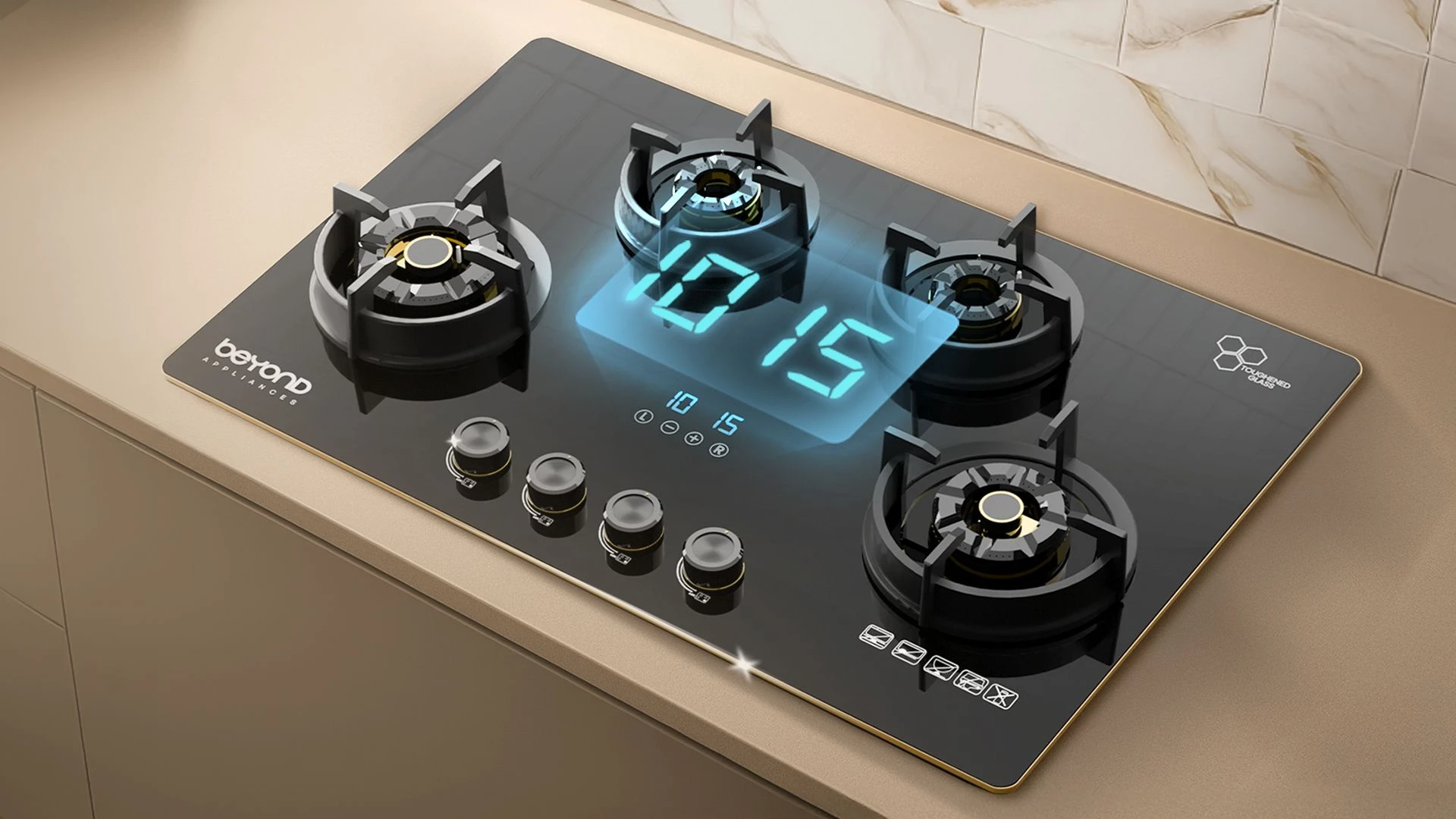
Choosing the right cooktop for your kitchen can transform your cooking experience. Modern cooktop stove features offer incredible convenience, safety, and efficiency that make meal preparation easier and more enjoyable. Whether you're renovating your kitchen or replacing an old appliance, understanding the different cooktop types and their unique capabilities helps you make an informed decision. The perfect cooktop combines functionality with style, matching your cooking habits while enhancing your kitchen's overall design.
The market offers several distinct cooktop technologies, each with specific advantages for different cooking styles. Understanding these differences helps you select the best option for your kitchen needs and cooking preferences.
Gas cooktop models provide instant heat control with visible flame indicators that let you see exactly how much heat you're applying. These cooktops work with all cookware types, from cast iron to aluminum, making them incredibly versatile. The operating costs remain relatively low, and many professional chefs prefer gas for its responsive temperature control and reliable performance.
Electric cooktop models feature smooth glass surfaces that make cleaning simple and straightforward. The radiant heating elements provide consistent heat distribution across cooking zones, ensuring even cooking results. Modern electric models include digital displays and touch controls that add convenience and precision to your cooking experience.
Induction cooktop technology uses electromagnetic fields to heat cookware directly, offering precise temperature control and faster heating times. These cooktops remain cool to the touch around the cooking area, providing enhanced safety features. Many models include smart cooking automation and programmable presets that simplify complex cooking tasks.
Portable cooktop units offer space-saving solutions perfect for small kitchens or temporary cooking setups. Available in configurations from two to five burners, these units provide installation flexibility and work well in apartments or as supplementary cooking surfaces during large meal preparations.
Selecting the right stove top features requires careful consideration of your cooking habits and kitchen layout. The best cooktops combine practical functionality with user-friendly design elements that enhance your daily cooking experience.
The number of burners should match your typical cooking needs. Families often benefit from four or five burner configurations, while couples might find two or three burners sufficient. Look for dual and triple element options that accommodate different pot sizes, and consider bridge elements that connect burners for large cookware like griddles or roasting pans.
Modern cooktops offer either touch-activated controls or traditional knobs, each with distinct advantages. Digital displays provide precise temperature readings and timer functions, while child safety locks and automatic shut-off features add important safety elements. Programmable cooking modes help achieve consistent results for frequently prepared dishes.
Stainless steel construction offers durability and professional appearance, while easy-to-clean coating technologies reduce maintenance requirements. Heat-resistant and scratch-resistant surfaces maintain their appearance over years of regular use. Choose designs that complement your kitchen's aesthetic while providing practical functionality.
Cooktop safety features protect your family while advanced technologies promote efficient cooking practices. Modern cooktops integrate multiple safety systems with energy-saving capabilities that reduce utility costs and environmental impact.
Gas models include automatic flame failure protection that shuts off gas flow if flames extinguish unexpectedly. Electric and induction models feature overheat protection with thermal sensors that prevent damage from excessive temperatures. Child lock mechanisms prevent accidental activation, while residual heat warnings alert users when surfaces remain hot after cooking.
Automated heat control systems maintain precise temperatures without constant adjustment. Power boost functions provide extra heat when needed for faster cooking times. Energy consumption monitoring helps track usage patterns, while smart connectivity allows remote control and monitoring through smartphone apps.
Cooktop installation requires careful planning to ensure proper fit and safe operation. Understanding space requirements and connection specifications helps avoid costly mistakes during kitchen renovations or appliance replacements.
Measure your available counter space carefully, including cutout dimensions for built-in installations. Consider ventilation requirements and clearance needs around the cooktop for safe operation. Electrical requirements vary between cooktop types, with some models requiring dedicated circuits or specific voltage ratings.
Gas cooktops typically require professional installation to ensure safe gas line connections and compliance with local codes. Electric models may allow DIY installation if electrical requirements match existing circuits. Professional installation often protects warranty coverage and ensures proper operation from the start.
Proper cooktop maintenance extends appliance lifespan while maintaining optimal performance. Regular cleaning and preventive care keep your cooktop looking new and functioning efficiently for years of reliable service.
Clean spills immediately to prevent staining and damage to cooking surfaces. Use manufacturer-recommended cleaning products and tools to avoid scratching or damaging special coatings. Regular maintenance of burner components ensures consistent performance and prevents efficiency losses over time.
Uneven heating often indicates burner problems that require professional attention. Control panel malfunctions may need specialized repair services to maintain warranty coverage. Recognize when issues require professional service technicians rather than attempting DIY repairs that could void warranties or create safety hazards.
The perfect cooktop balances initial costs with long-term value while matching your specific cooking needs. Consider both immediate requirements and future kitchen plans when making your selection.
Initial purchase prices vary significantly between cooktop types, but operating costs over time can offset higher upfront investments. Energy-efficient models often provide utility savings that justify premium pricing. Extended warranty coverage and brand reliability contribute to long-term value and peace of mind.
Assess your cooking habits honestly to determine which features provide real value. Professional-grade features benefit serious home cooks, while basic models suit casual cooking needs. Consider family size and entertaining frequency when selecting burner configurations and special features.
The essential features include cooking surface type, burner configuration, control panel design, safety features, and energy efficiency ratings. Consider your cooking habits and kitchen layout when prioritizing these features.
Induction cooktops typically offer the highest energy efficiency, followed by electric radiant models. Gas cooktops provide instant heat control but may have higher operating costs depending on local utility rates.
Look for automatic shut-off systems, child safety locks, overheat protection, and residual heat indicators. Gas models should include flame failure protection for added safety.
Electric cooktops may allow DIY installation if electrical requirements match existing circuits. Gas cooktops typically require professional installation for safety and code compliance.
Quality cooktops range from INR 15,000 for basic electric models to INR 80,000 or more for premium induction units with advanced features. Consider long-term operating costs when comparing options.
Choosing the perfect cooktop requires balancing features, safety, efficiency, and budget considerations. Understanding different cooktop types helps you select the best option for your cooking style and kitchen layout. Proper installation and maintenance ensure years of reliable performance and cooking enjoyment. Invest in quality features that match your needs rather than paying for unnecessary complexity.
