

Master Kitchen Ventilation: Protect Your Health Now
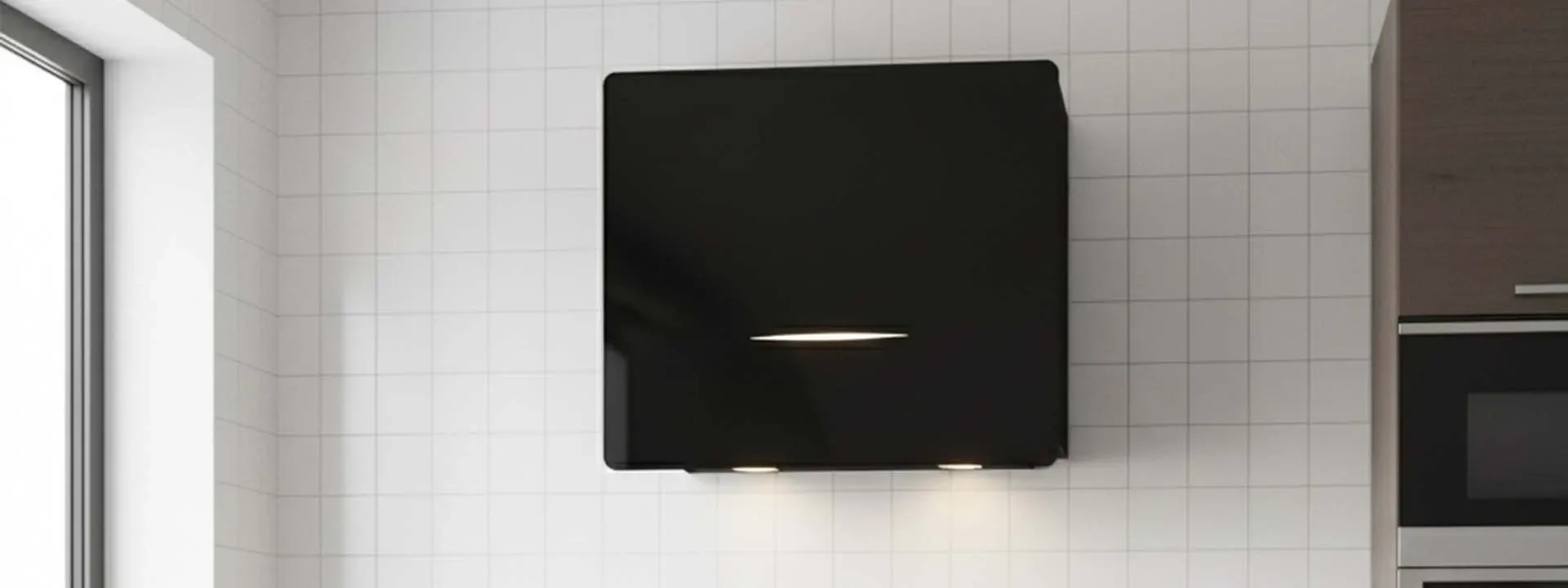
Your kitchen might be harboring invisible threats to your family's health. Every time you cook, harmful pollutants fill the air you breathe. Studies show that indoor air can be 2-5 times more polluted than outdoor air, with kitchens being major contributors. Poor ventilation during cooking releases dangerous compounds that can cause immediate discomfort and long-term health problems. The good news? Understanding kitchen ventilation health benefits and implementing proper solutions can dramatically improve your family's wellbeing. This guide reveals how the right ventilation system protects your health and creates a safer cooking environment.
Cooking without proper ventilation exposes your family to serious health risks that many homeowners don't realize. When you heat oils, burn gas, or cook at high temperatures, your kitchen becomes a source of indoor air pollution. These pollutants don't just disappear – they linger in your home and enter your lungs with every breath.
Every cooking method releases harmful compounds into your kitchen air. Gas burners produce nitrogen dioxide and carbon monoxide. High-heat cooking creates fine particulate matter (PM2.5) that penetrates deep into your lungs. Frying and grilling release volatile organic compounds (VOCs) including formaldehyde and benzene – known cancer-causing substances.
Poor indoor air quality kitchen conditions cause immediate symptoms like eye irritation, headaches, and breathing difficulties. Children and elderly family members face higher risks due to their developing or compromised respiratory systems. Long-term exposure links to asthma, cardiovascular disease, and respiratory infections.
Proper kitchen ventilation systems offer powerful protection against cooking-related health hazards. Quality ventilation doesn't just remove odors – it captures harmful pollutants at their source before they spread throughout your home. Understanding these benefits helps you make informed decisions about your family's health.
Effective ventilation systems remove up to 70% of cooking-generated pollutants immediately. This dramatic reduction in harmful particles means cleaner air for your family to breathe. Proper ventilation also prevents moisture buildup that leads to mold growth, protecting against additional respiratory irritants.
Range hood health benefits extend beyond basic air circulation. Quality range hoods capture grease particles before they become airborne, preventing them from coating your lungs. Steam removal protects against humidity-related problems while eliminating chemical residues from cooking processes.
Choosing the right ventilation solution depends on your kitchen layout, cooking habits, and budget. Different systems offer varying levels of protection, so understanding your options ensures maximum health benefits. Modern ventilation technology provides powerful solutions for every kitchen type.
Ducted range hoods provide superior performance by venting pollutants directly outside your home. Ductless systems filter air through activated carbon and return it to the kitchen – effective for basic odor control but less efficient for fine particles. Kitchen ventilation fans supplement range hoods by improving overall air circulation.
Proper sizing ensures adequate pollutant removal for your cooking area. Calculate 100 CFM per linear foot of cooktop width for optimal performance. Installation height affects capture efficiency – position range hoods 24-30 inches above gas cooktops and 20-24 inches above electric surfaces.
Using your kitchen exhaust system correctly maximizes health protection for your family. Many homeowners underutilize their ventilation systems, missing opportunities to improve air quality. Smart usage habits ensure you get full benefits from your investment.
Start your ventilation system before cooking begins and run it for 15 minutes after finishing. High-heat cooking methods like frying, grilling, and broiling require maximum fan speeds. Even simple tasks like boiling water benefit from basic ventilation to remove excess moisture.
Supplementing mechanical ventilation with natural airflow enhances pollutant removal. Open windows when weather permits to create cross-ventilation. Regular filter cleaning and replacement maintain optimal performance. Consider air purifiers with HEPA filters for additional protection against fine particles.
Research consistently demonstrates the connection between proper kitchen ventilation and improved respiratory health. Scientific studies provide compelling evidence for investing in quality ventilation systems. Understanding this research helps you appreciate the true value of proper ventilation.
Studies show that homes with effective kitchen ventilation have 60-80% lower concentrations of cooking-related pollutants. Families using proper ventilation report fewer respiratory symptoms and improved overall health. Children in well-ventilated homes show better lung function development compared to those in poorly ventilated environments.
A comprehensive approach to healthy kitchen environment creation combines proper ventilation with smart cooking practices. Use back burners when possible to improve capture efficiency. Choose cooking methods that produce fewer pollutants when practical. Regular maintenance ensures your system continues protecting your family's health.
Kitchen ventilation removes harmful cooking pollutants, reduces respiratory irritation, prevents mold growth, and improves overall indoor air quality. Proper ventilation can reduce cooking-related pollutants by up to 70%.
Cooking fumes contain fine particles, volatile organic compounds, and toxic gases that cause eye irritation, headaches, and breathing problems. Long-term exposure increases risks of asthma, cardiovascular disease, and respiratory infections.
Yes, range hoods provide essential health protection by capturing pollutants at their source. Without proper ventilation, cooking pollutants spread throughout your home and accumulate over time.
Ducted range hoods offer the best respiratory protection by removing pollutants completely from your home. Choose systems with adequate CFM ratings for your cooktop size and cooking habits.
Use ventilation before, during, and for 15 minutes after cooking. Even simple cooking tasks benefit from basic ventilation to remove moisture and minor pollutants.
Investing in proper kitchen ventilation protects your family's health in ways that extend far beyond odor control. The effects of cooking fumes on respiratory health are serious and well-documented. Quality ventilation systems provide measurable improvements in indoor air quality and family wellbeing. Whether you choose ducted range hoods, ductless systems, or supplemental fans, proper ventilation represents one of the most important investments you can make in your family's long-term health. Take action today to assess your current ventilation and upgrade if necessary – your lungs will thank you.
