

Essential Checklist: Oil Fume Control in Kitchens
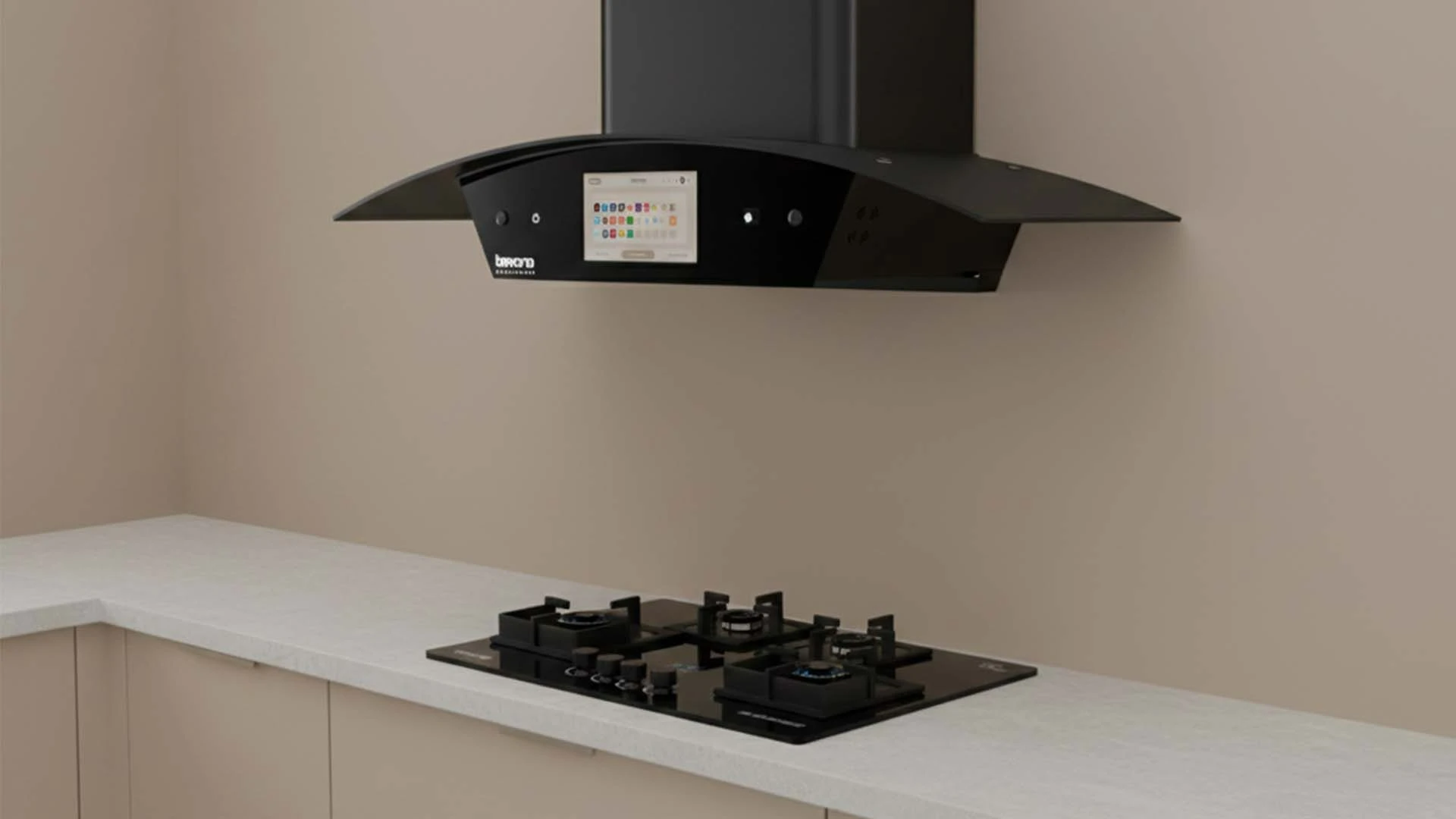
Oil fumes in your kitchen can quickly turn your cooking space into an uncomfortable environment. Without proper ventilation, these fumes spread throughout your home, leaving behind stubborn odors and greasy residue on surfaces. The benefits chimney for oil fume control brings to modern kitchens extend far beyond simple smoke removal. A well-designed chimney system transforms your cooking experience by maintaining clean air, protecting your family's health, and preserving your kitchen's pristine condition. Understanding how effective fume control systems work helps you make informed decisions about your kitchen's ventilation needs.
Effective oil fume extraction forms the foundation of any well-designed kitchen. When you cook with oils at high temperatures, tiny particles become airborne and circulate throughout your home. These particles carry more than just unpleasant odors—they contain harmful compounds that can affect your family's respiratory health over time. Poor kitchen ventilation leads to grease buildup on cabinets, walls, and appliances. This sticky residue attracts dust and bacteria, creating an unhygienic environment that requires constant cleaning. The accumulated grease can also damage your kitchen's surfaces and reduce the lifespan of your appliances. Modern kitchen design prioritizes both functionality and aesthetics. Without proper ventilation, even the most beautiful kitchen loses its appeal when cooking odors linger and surfaces become grimy. Professional chefs and home cooking enthusiasts alike recognize that effective fume control is essential for maintaining a pleasant cooking environment.
The benefits chimney for oil fume control provides make it an indispensable appliance for any serious cook. Modern chimney systems offer comprehensive solutions that address multiple aspects of kitchen air quality management.
High-powered suction mechanisms capture smoke and oil particles at their source. This immediate extraction prevents fumes from spreading to other rooms in your home. The powerful motors in quality chimneys can handle even the most intense cooking sessions, from deep-frying to high-heat stir-frying.
Modern fume control systems incorporate multi-stage filtration that goes beyond basic smoke removal. These systems trap microscopic particles and neutralize odors at the molecular level. The advanced filtration technology ensures that the air circulating in your kitchen remains clean and breathable throughout your cooking process.
Effective odor removal capabilities prevent cooking smells from permeating your home's fabric and furnishings. Quality chimney systems eliminate even the strongest spice and oil odors, maintaining a fresh atmosphere that won't interfere with your family's comfort or entertaining plans.
Space constraints don't have to compromise your kitchen's ventilation quality. Compact kitchen chimney designs offer powerful performance in streamlined packages that complement modern kitchen aesthetics. Wall-mounted chimneys provide excellent ventilation solutions for galley-style kitchens and smaller cooking spaces. These units mount directly above your cooktop without requiring extensive ductwork modifications. Island chimneys work well for open-plan kitchens where the cooking area sits away from walls. Ductless chimney options offer flexibility for apartments and homes where external venting isn't possible. These systems use advanced filtration to clean and recirculate air within your kitchen. While ducted systems typically provide superior performance, modern ductless units deliver impressive results for most cooking needs.
Proper planning ensures your kitchen exhaust system delivers optimal performance for years to come. This comprehensive checklist covers every aspect from initial assessment to ongoing maintenance.
Evaluate your kitchen's size and layout to determine the appropriate chimney capacity. Measure the distance between your cooktop and the planned chimney location. Consider your typical cooking habits—frequent deep-frying requires more powerful extraction than occasional light cooking. Check local building codes for ventilation requirements. Some areas mandate specific CFM ratings or installation standards. Verify electrical capacity and plan for any necessary upgrades to support your chosen chimney system.
Calculate the required suction power based on your kitchen's volume and cooking intensity. A general rule suggests 10-12 air changes per hour for effective ventilation. Choose filter types that match your cooking style—baffle filters work well for Indian cooking, while mesh filters suit lighter cooking methods. Consider noise levels, especially for open-plan kitchens. Look for chimneys with multiple speed settings that allow you to balance performance with noise control. Energy efficiency ratings help predict long-term operating costs.
Position your chimney 24-30 inches above gas cooktops or 20-24 inches above electric surfaces. Ensure proper ducting with minimal bends to maximize airflow efficiency. Use appropriate duct materials and sizes as specified by the manufacturer. Professional installation ensures compliance with safety codes and optimal performance. Certified technicians understand electrical requirements and can identify potential issues before they become problems.
Clean baffle filters monthly with warm soapy water or in the dishwasher. Replace mesh filters every 3-6 months depending on usage intensity. Check and clean grease collection trays weekly during heavy cooking periods. Inspect the motor and fan assembly annually for signs of wear or damage. Monitor performance indicators like reduced suction or increased noise levels that might signal maintenance needs.
Effective air purification through quality chimney systems protects your family's health in multiple ways. Cooking fumes contain particulate matter that can irritate respiratory systems, particularly affecting children and elderly family members. Proper ventilation reduces fire hazards by removing grease-laden air that could ignite. It also prevents carbon monoxide accumulation from gas appliances, ensuring safe cooking conditions. The improved visibility that comes with smoke-free cooking reduces accident risks and makes meal preparation more enjoyable. Long-term exposure to cooking fumes has been linked to respiratory issues and cardiovascular problems. Investing in quality fume control systems provides ongoing health protection that benefits your entire family.
Kitchen chimneys provide instant extraction of oil particles and cooking smoke, prevent grease buildup on kitchen surfaces and appliances, and eliminate persistent cooking odors that can spread throughout the home. These systems maintain healthier indoor air quality while protecting your kitchen's cleanliness and appearance.
Modern kitchen chimneys are highly effective at odor removal, functioning as comprehensive air management systems that extract smoke instantly while cooking, eliminate lingering food odors, and maintain a fresh, breathable cooking environment throughout your home.
While all cooking generates some fumes, oil-based cooking methods like deep-frying, stir-frying, and grilling produce the most smoke and require powerful chimney ventilation for effective fume control and air quality maintenance.
Chimney size depends on your kitchen's volume and cooking intensity. Calculate 10-12 air changes per hour for effective ventilation. A 200-300 CFM chimney typically suits small kitchens, while larger spaces may require 400-600 CFM or higher capacity systems.
Clean baffle filters monthly with warm soapy water. Replace mesh filters every 3-6 months depending on usage. Heavy cooking with oils requires more frequent maintenance to ensure optimal performance and prevent grease buildup.
The benefits chimney for oil fume control brings to your kitchen extend far beyond basic smoke removal. These systems protect your family's health, preserve your kitchen's condition, and enhance your overall cooking experience. Proper selection, installation, and maintenance ensure years of reliable performance that transforms your kitchen into a clean, comfortable cooking environment.
