

Ultimate Guide: Clean Your Glass Cooktop Like a Pro
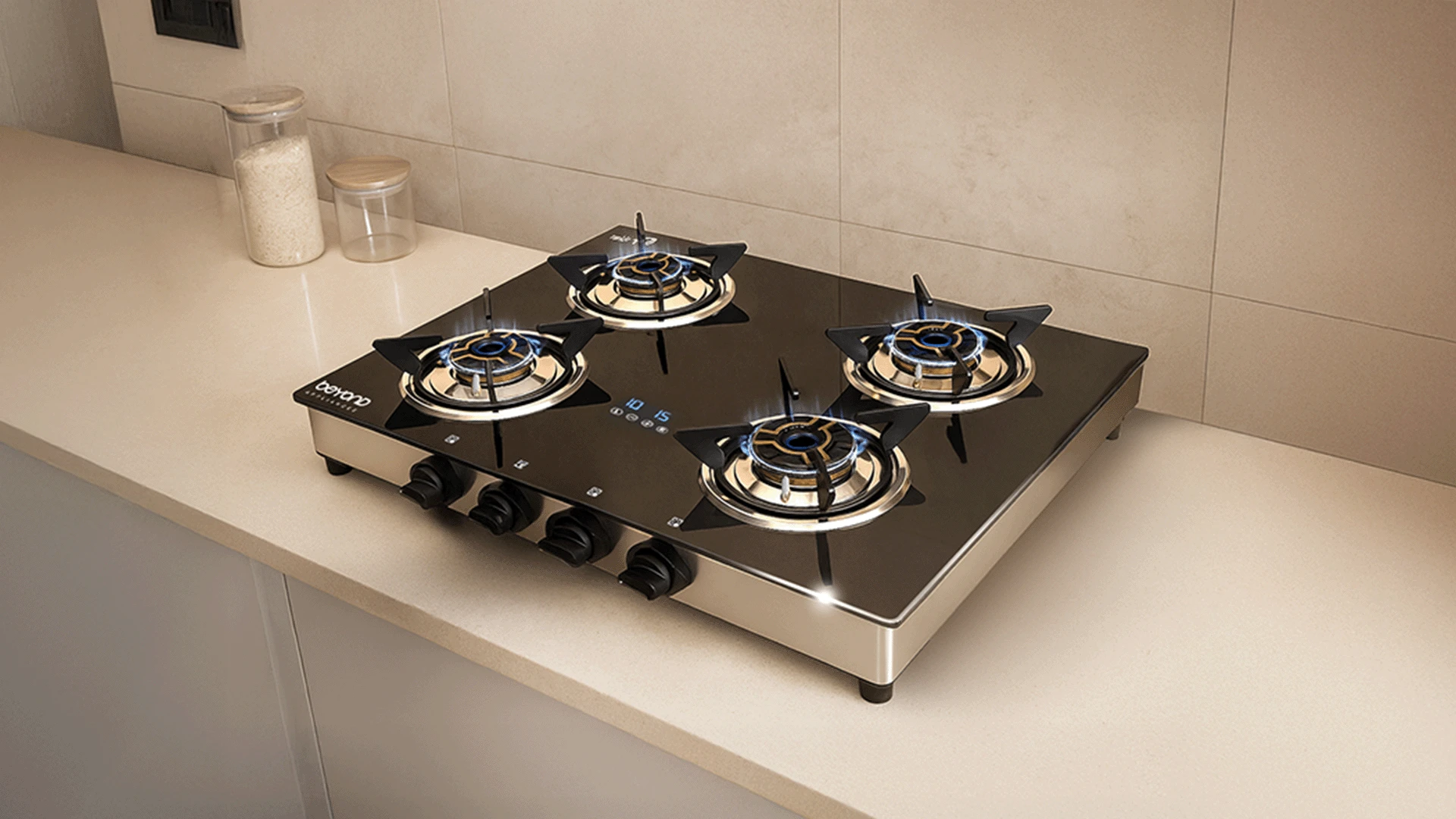
Glass cooktops bring elegance and modern functionality to any kitchen. Their sleek surface and easy-to-clean design make them a popular choice for homeowners who value both style and convenience. However, these beautiful cooking surfaces require specific care to maintain their pristine appearance and optimal performance. Understanding proper glass cooktop cleaning tips ensures your investment stays spotless and scratch-free for years to come. With the right techniques and tools, you can keep your glass cooktop looking brand new while avoiding common cleaning mistakes that damage the surface.
Understanding your glass cooktop surface is crucial for effective maintenance. Most modern cooktops feature either tempered glass or ceramic glass surfaces that require gentle yet thorough cleaning approaches. Glass cooktops demand special attention because they show every fingerprint, water spot, and food spill. The smooth surface can scratch easily if cleaned with abrasive materials or harsh chemicals. Always ensure your cooktop is completely cool before starting any cleaning process - this prevents burns and allows cleaning products to work effectively without evaporating too quickly.
Gather these essential items before you begin cleaning: • Microfiber cloths (at least three clean ones) • Plastic scraper or razor blade holder • Non-abrasive sponge • Baking soda • White vinegar • Dish soap • Warm water
Never attempt to clean a hot cooktop surface. Wait at least 30 minutes after cooking before applying any cleaning solutions. Remove all cookware and ensure the surface indicator lights are completely off before proceeding.
Choosing the right cleaning solution makes the difference between effortless maintenance and frustrating scrubbing sessions. Both commercial and homemade cleaners offer effective results when used correctly. Commercial glass cooktop cleaners typically contain specialized formulas designed specifically for these surfaces. These products often include gentle abrasives that remove stubborn stains without scratching. However, many household items work equally well at a fraction of the cost.
Create a powerful baking soda paste by mixing half cup baking soda with three to four tablespoons of water. This gentle abrasive removes burnt-on food without damaging the glass surface. For daily cleaning, combine equal parts white vinegar and warm water in a spray bottle. Add two drops of dish soap for extra grease-cutting power. This solution effectively removes fingerprints and light stains.
Use commercial cleaners for heavy-duty cleaning sessions or when dealing with particularly stubborn stains. Reserve DIY solutions for regular maintenance and light cleaning tasks. The baking soda paste works excellently for burnt food removal, while the vinegar solution handles daily upkeep perfectly.
Following a systematic approach ensures thorough cleaning while protecting your cooktop surface. This method works for both routine maintenance and deep cleaning sessions. Start by removing any loose debris or food particles using a dry microfiber cloth. Avoid pushing particles around the surface, which could cause scratches. Instead, lift them away gently.
Apply your chosen cleaning solution generously across the entire surface. Allow the cleaner to sit for 15-20 minutes - this dwell time helps break down stubborn residues and makes removal easier. Using a non-abrasive sponge, work in circular motions from the center of each burner area outward. Apply gentle pressure and let the cleaning solution do most of the work.
Rinse the surface thoroughly with clean water, then dry immediately with a fresh microfiber cloth. Buff the surface in circular motions to achieve a streak-free, sparkling finish that showcases your cooktop's natural beauty.
Dealing with burnt food on glass cooktop surfaces requires patience and the right technique. Never attempt to scrape burnt food while the surface is still warm, as this can cause permanent damage. For stubborn burnt-on residues, create a thick baking soda paste and apply it directly to the affected area. Cover with a damp cloth and let it sit for 30 minutes. The alkaline properties of baking soda help break down carbonized food particles naturally.
When other methods fail, a razor blade can safely remove stubborn residues. Hold the blade at a 45-degree angle and gently scrape in one direction only. Never use back-and-forth motions, which increase scratching risk. Always keep the blade wet with cleaning solution during this process. Work slowly and apply minimal pressure - let the blade's sharpness do the cutting rather than forcing it.
Cloudy stains often result from mineral deposits in water or cleaning product residue. Create a solution of equal parts white vinegar and water, apply to the cloudy areas, and let sit for 10 minutes before wiping clean.
Proper glass cooktop maintenance prevents most cleaning challenges before they occur. Daily care takes just minutes but saves hours of deep cleaning later. Wipe down your cooktop after each use with a damp microfiber cloth. This simple habit prevents food residues from hardening and becoming difficult to remove. Address spills immediately while they're still liquid - this prevents staining and burning.
Choose flat-bottomed cookware that distributes heat evenly and reduces hot spots. Avoid dragging pots and pans across the surface - always lift them when moving. Cast iron and stoneware can scratch glass surfaces, so handle these materials with extra care. Inspect your cookware regularly for rough spots or warping that could damage your cooktop. Replace damaged pieces promptly to protect your investment.
Perform a thorough cleaning weekly, even if the surface appears clean. This prevents buildup of invisible residues that can become problematic over time. Use this opportunity to inspect for any damage or wear patterns.
Avoiding common cleaning errors protects your cooktop from permanent damage and extends its lifespan significantly. Many homeowners unknowingly use inappropriate cleaning methods that cause scratches or cloudiness. Never use abrasive cleaners, steel wool, or scouring pads on glass surfaces. These materials create microscopic scratches that accumulate over time, making your cooktop appear dull and worn. Similarly, avoid using regular glass cleaners, which often contain ammonia that can damage the cooktop's finish.
Cleaning a hot surface ranks among the most dangerous mistakes. Beyond burn risk, rapid temperature changes can crack the glass. Always wait for complete cooling before applying any cleaning products. Avoid placing hot lids face-down on cool areas of the cooktop. This thermal shock can cause stress fractures or permanent damage to the glass surface.
Using inappropriate cleaning products causes more problems than they solve. Avoid bleach-based cleaners, which can discolor the surface, and acidic cleaners that etch the glass over time. Stick to pH-neutral products specifically designed for glass cooktops.
Professional cleaners and experienced homeowners have developed numerous cooktop cleaning hacks that simplify maintenance while improving results. These time-tested techniques save both effort and money. Use dryer sheets for quick daily cleaning - their anti-static properties repel dust and fingerprints while leaving a streak-free finish. Simply dampen a dryer sheet and wipe the cool surface gently.
Combine cream of tartar with lemon juice to create a powerful paste for removing heat stains and discoloration. Apply this mixture to problem areas, let sit for 15 minutes, then buff away with a soft cloth. For extremely stubborn stains, apply a layer of baking soda, spray with vinegar, and cover with plastic wrap. Let this combination work for 30 minutes before wiping clean - the chemical reaction helps break down even the toughest residues.
Keep a dedicated microfiber cloth near your cooktop for immediate spill cleanup. This prevents most stains from setting and reduces deep cleaning frequency. Replace these cloths regularly to maintain their effectiveness.
The most effective method involves using a baking soda paste for tough stains and a vinegar solution for daily maintenance. Always ensure the surface is completely cool before cleaning, and use only non-abrasive tools and microfiber cloths.
Create a thick paste using baking soda and water, apply to the burnt area, and let sit for 30 minutes. For stubborn residues, use a razor blade at a 45-degree angle while keeping the surface wet with cleaning solution.
Cloudy stains typically respond well to a 50-50 mixture of white vinegar and water. Apply the solution, let it sit for 10 minutes, then wipe clean with a microfiber cloth. For persistent cloudiness, repeat the process.
Yes, white vinegar mixed with equal parts water makes an excellent daily cleaner for glass cooktops. It cuts through grease and removes water spots without damaging the surface. Avoid using vinegar on hot surfaces.
For routine cleaning, 5-10 minutes is sufficient. For burnt-on food or stubborn stains, allow 15-30 minutes for the solution to break down residues effectively. Never let cleaning solutions dry completely on the surface.
Yes, when used correctly. Hold the blade at a 45-degree angle, keep the surface wet, and scrape in one direction only. Use this method only for stubborn residues that don't respond to other cleaning techniques.
Maintaining a pristine glass cooktop requires consistent care and proper technique. Daily wiping prevents most problems, while weekly deep cleaning keeps your cooktop looking new. Remember that prevention through immediate spill cleanup and proper cookware handling saves significant cleaning effort later. With these proven glass cooktop cleaning tips, your cooking surface will remain beautiful and functional for years to come. The investment in proper care pays dividends in both appearance and performance, making your kitchen a more enjoyable space for cooking and entertaining.
