

Master Smoke Removal: A Complete Kitchen Guide
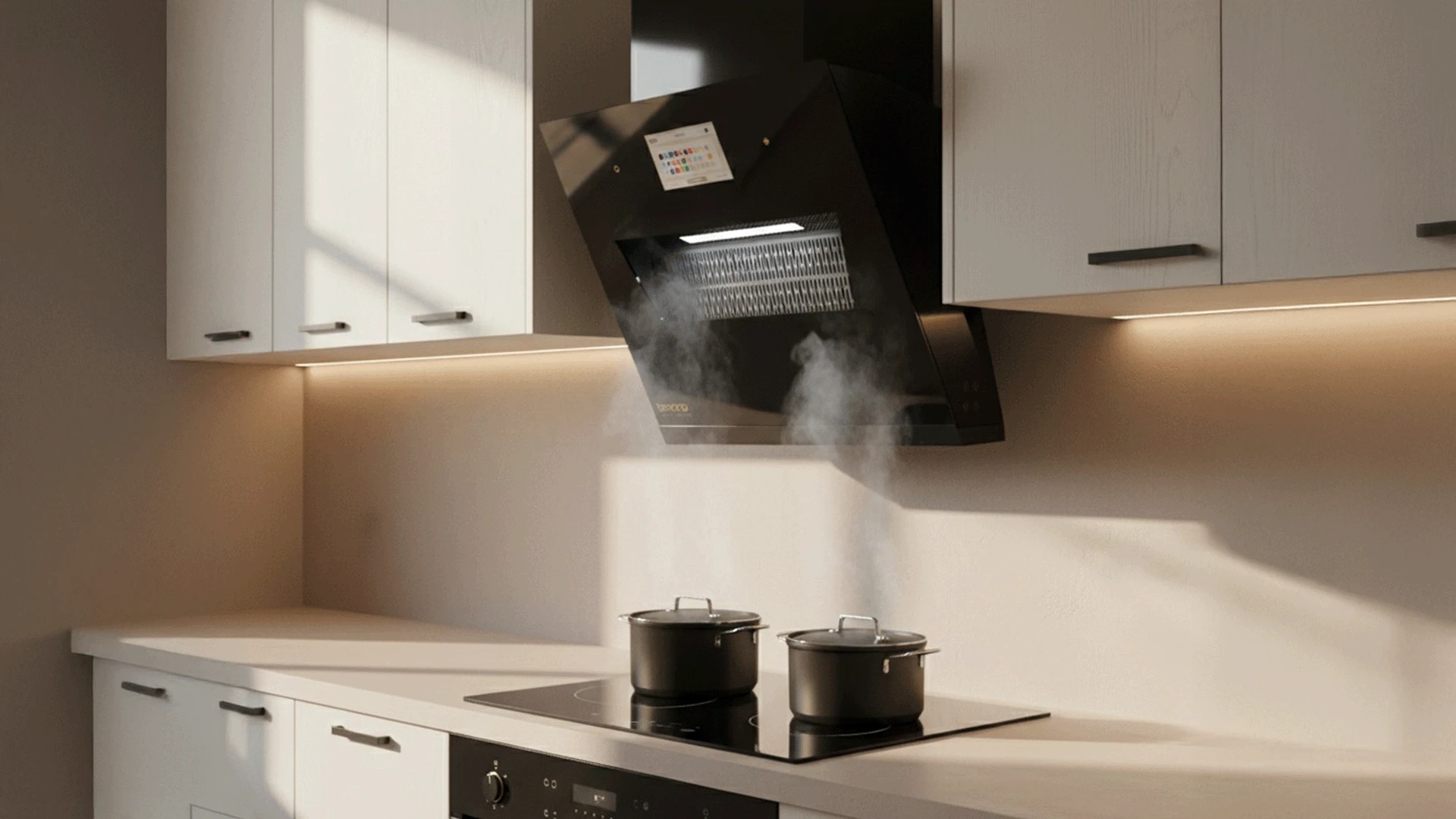
Cooking smoke poses serious health risks that many homeowners underestimate. Every time you fry, grill, or sear food, your kitchen releases over 100 harmful compounds into the air. These particles don't just disappear—they linger for weeks without proper removal systems. Understanding the importance smoke removal plays in maintaining a healthy home environment is crucial for every family. From immediate respiratory irritation to long-term health consequences, poor air quality affects everyone in your household, especially children and elderly family members.
Kitchen smoke comes from various sources during everyday cooking activities. High-heat cooking methods like frying, grilling, and searing create the most cooking smoke because they break down oils and burn food particles at elevated temperatures. Even seemingly harmless activities like toasting bread or heating spices can release particles into your kitchen air. The health consequences of poor indoor air quality extend far beyond temporary discomfort. Cooking smoke contains fine particulate matter that can trigger asthma attacks, cause respiratory irritation, and worsen existing breathing conditions. Children are particularly vulnerable because their lungs are still developing, while elderly family members may experience more severe reactions to poor air quality. Long-term exposure to cooking smoke has been linked to increased risks of cardiovascular problems and respiratory diseases.
Certain cooking methods produce more dangerous particles than others. Deep frying generates the highest levels of harmful compounds because oil breakdown occurs at extreme temperatures. Grilling and broiling also create significant smoke because fat drippings burn and create additional particles. Even everyday cooking like sautéing vegetables can release enough particles to affect your home's air quality without proper ventilation systems.
Not all cooking smoke is visible to the naked eye. Ultrafine particles smaller than 0.1 micrometers can remain airborne for hours and penetrate deep into your lungs. These invisible particles often carry the most toxic compounds, including aldehydes and polycyclic aromatic hydrocarbons. Without effective smoke extraction systems, these particles accumulate in your home and continue circulating through your HVAC system.
Effective smoke removal requires the right equipment installed and used properly. Modern kitchens need comprehensive ventilation systems that can handle both visible smoke and invisible particles. The key is choosing equipment that matches your cooking habits and kitchen layout. Range hoods represent the first line of defense against cooking smoke. Ducted range hoods provide superior performance by venting smoke directly outside your home, while ductless models filter air before recirculating it back into your kitchen. The effectiveness of any range hood depends on proper sizing—you need at least 100 CFM (cubic feet per minute) of airflow for every linear foot of cooktop width.
Modern air purification systems use multiple filtration stages to remove different types of contaminants. HEPA filters capture particles as small as 0.3 micrometers with 99.97% efficiency, making them essential for removing fine cooking particles. Activated carbon filters excel at odor elimination by absorbing volatile organic compounds and cooking smells that HEPA filters cannot capture.
Smart kitchen ventilation systems automatically adjust fan speeds based on air quality sensors. These systems detect smoke particles and cooking odors in real-time, increasing ventilation power when needed most. Some models integrate with your smartphone, allowing you to monitor and control air quality remotely.
Effective fume removal requires both immediate action and long-term strategies. When cooking produces excessive smoke, quick response prevents particles from spreading throughout your home. Professional techniques focus on containing smoke at its source while rapidly clearing contaminated air. Immediate smoke control starts with proper timing. Turn on your range hood before you start cooking, not after smoke appears. This creates negative pressure that captures particles as they form. Strategic use of windows and doors can enhance natural airflow, but avoid creating cross-drafts that spread smoke to other rooms.
When cooking accidents create excessive smoke, follow these emergency steps: First, remove the heat source and turn off cooking equipment. Open windows on opposite sides of your kitchen to create cross-ventilation. Turn your range hood to maximum speed and use portable fans to direct smoke toward exhaust points. Never use water on grease fires, as this spreads burning oil and creates more dangerous smoke.
Persistent cooking odors require deep cleaning and specialized odor elimination techniques. Clean all surfaces with vinegar solutions to neutralize acidic compounds from cooking smoke. Place bowls of activated charcoal or baking soda around your kitchen to absorb lingering odors. For severe cases, professional ozone treatment can eliminate stubborn smells, though this requires temporarily vacating your home.
Selecting appropriate air purification equipment depends on your kitchen size, cooking habits, and budget. Calculate your kitchen's cubic footage and choose equipment rated for at least 20% more than your actual space. This ensures adequate performance even during heavy cooking sessions. Consider your cooking style when selecting equipment. Frequent frying and grilling require more powerful ventilation systems with higher CFM ratings. If you cook with strong spices or aromatic ingredients, prioritize models with enhanced carbon filtration for superior odor elimination. Energy efficiency ratings help control operating costs, especially for equipment that runs continuously.
Proper installation significantly impacts equipment performance. Ducted range hoods require straight, short duct runs with minimal bends for optimal airflow. Professional installation ensures proper electrical connections and compliance with local building codes. Many manufacturers offer free installation services that include proper sizing and positioning for maximum effectiveness.
The most effective approach combines a properly sized range hood with supplementary air purification. Use ducted range hoods when possible, as they remove smoke completely rather than filtering and recirculating it. Supplement with portable air purifiers containing both HEPA and carbon filters for comprehensive particle and odor removal.
Clean metal mesh filters monthly with hot, soapy water or in your dishwasher. Replace carbon filters every 3-6 months depending on cooking frequency. Heavy cooking requires more frequent maintenance—weekly cleaning for metal filters and monthly carbon filter replacement.
Natural methods work well for mild odors but cannot replace proper ventilation for smoke removal. White vinegar neutralizes many cooking odors, while baking soda absorbs lingering smells. Activated charcoal provides superior odor absorption for persistent problems. However, these methods work slowly and cannot capture harmful particles like mechanical systems.
Upgrade when your current system cannot clear smoke within 10-15 minutes of cooking completion. Other indicators include persistent cooking odors, visible smoke escaping your range hood's capture area, or excessive noise during operation. If your range hood is over 10 years old, newer models offer significantly better performance and energy efficiency.
Effective smoke removal protects your family's health and maintains your home's air quality. Invest in properly sized ventilation equipment that matches your cooking habits and kitchen layout. Regular maintenance ensures optimal performance, while proper technique maximizes your equipment's effectiveness. Remember that the importance smoke removal extends beyond comfort—it's essential for creating a healthy home environment for your family.
