

Master Kitchen Smoke Removal: A Step-by-Step Guide
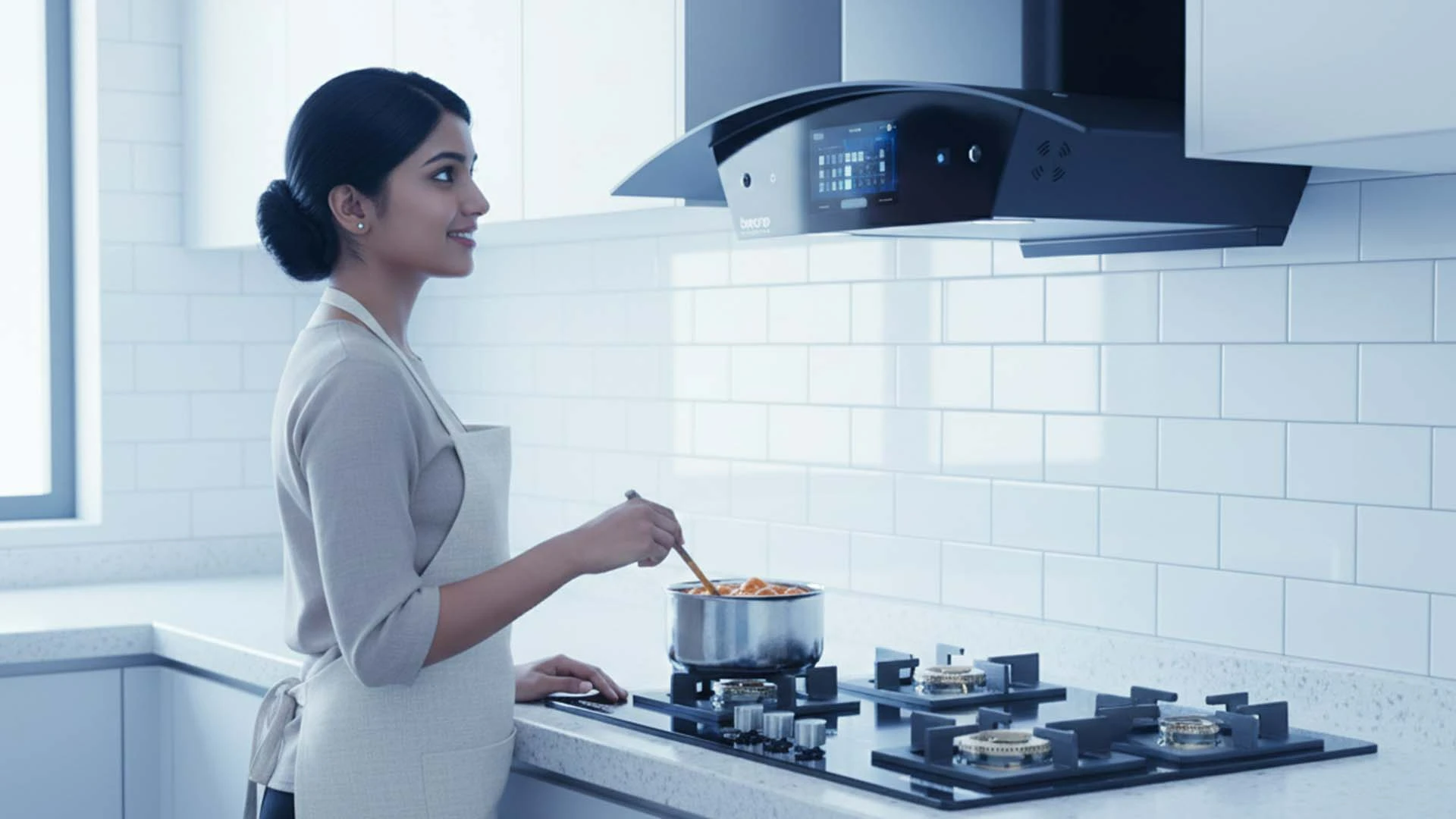
Cooking smoke in your kitchen can turn a pleasant meal preparation into an uncomfortable experience. Whether you're dealing with occasional smoke from high-heat cooking or persistent odors that linger long after you've finished, understanding how to reduce kitchen smoke is essential for maintaining a comfortable and healthy home environment. Effective kitchen smoke removal not only improves air quality but also prevents lingering odors from settling into fabrics, walls, and furniture. The good news is that with the right techniques and equipment, you can significantly minimize cooking smoke and create a more enjoyable cooking experience.
Kitchen smoke occurs for several reasons, and understanding these causes helps you address the problem more effectively. The most common culprit is overheating oils beyond their smoke point, which creates visible smoke and unpleasant odors. High-heat cooking methods like searing, grilling, or stir-frying naturally produce more smoke than gentler cooking techniques. Food particles and grease buildup on cooking surfaces also contribute to smoke production. When these residues heat up, they burn and create additional smoke that can quickly fill your kitchen. Poor ventilation compounds the problem by allowing smoke to accumulate instead of being efficiently removed. The health implications of kitchen smoke exposure shouldn't be ignored. Cooking smoke contains fine particles and potentially harmful compounds that can irritate your respiratory system. Long-term exposure to cooking smoke has been linked to indoor air quality issues, particularly in poorly ventilated spaces. Additionally, persistent cooking odors can affect your home's comfort and may be difficult to eliminate once they've penetrated fabrics and surfaces.
When your kitchen fills with smoke, quick action can prevent the problem from spreading throughout your home. These immediate response techniques help clear smoke efficiently and restore air quality.
Open windows on opposite sides of your kitchen to create a natural airflow pattern. This cross-ventilation technique allows fresh air to enter while pushing smoke-filled air outside. Position one window as an intake and another as an exhaust to maximize air movement.
Place box fans or portable fans near windows to accelerate smoke removal. Position intake fans to pull fresh air into the kitchen and exhaust fans to push smoky air outside. This strategic fan placement can reduce smoke clearing time significantly.
Turn on your range hood at maximum speed, even if you're not actively cooking. Additionally, activate bathroom exhaust fans and any other ventilation systems in your home to create negative pressure that helps draw smoke away from living areas.
For severe smoke situations, wet towels can help trap smoke particles when waved gently through the air. This technique works best in combination with proper ventilation and should only be used as a temporary measure while other systems work to clear the air.
Prevention remains the most effective approach to managing kitchen smoke. By adjusting your cooking techniques and being mindful of temperature control, you can significantly reduce smoke production during meal preparation.
Different cooking oils have varying smoke points, and selecting the right oil for your cooking method makes a substantial difference. Avocado oil and grapeseed oil have higher smoke points than olive oil, making them better choices for high-heat cooking. Reserve extra virgin olive oil for low-heat cooking or finishing dishes.
Heat your pan gradually before adding oil, then add food once the oil is properly heated but not smoking. This technique prevents oil from overheating and reduces the likelihood of smoke production. Watch for visual cues like shimmering oil surface to gauge proper temperature.
Cooking at slightly lower temperatures for longer periods often produces better results with less smoke. This approach is particularly effective for proteins like steak or chicken, where high heat isn't always necessary for proper cooking.
Covering pans with lids helps contain smoke and reduces splattering, which can create additional smoke when grease hits hot surfaces. Partially covering pans allows some steam to escape while still controlling smoke production.
Proper ventilation forms the backbone of effective kitchen smoke management. Investing in quality ventilation equipment provides long-term solutions for maintaining clean air during cooking.
A high-quality range hood serves as your primary defense against cooking smoke. Look for models with adequate CFM (cubic feet per minute) ratings for your kitchen size. Generally, you need 100 CFM for every 10,000 BTUs of cooking power. Modern range hoods offer multiple speed settings and efficient smoke capture capabilities.
Dedicated smoke extractor fans provide additional ventilation beyond standard range hoods. These units can be installed in windows or walls to create powerful exhaust capabilities specifically designed for smoke removal.
For renters or those unable to install permanent ventilation, portable smoke extractors offer flexible solutions. These units can be positioned near cooking areas and provide immediate smoke removal without requiring permanent installation.
Air purification technology has advanced significantly, offering effective solutions for removing cooking smoke and odors from kitchen air. Understanding the different types of air purifiers helps you choose the most effective option for your needs.
HEPA filters excel at capturing fine smoke particles, while activated carbon filters specifically target odors and gaseous compounds. The most effective kitchen air purifiers combine both technologies to address both visible smoke and lingering odors.
Position air purifiers near cooking areas but away from direct heat sources. Choose units with appropriate room coverage ratings, and consider that kitchens often require higher air change rates due to cooking activities.
Regular filter replacement ensures optimal performance. Cooking environments require more frequent filter changes than typical room air purifiers due to the higher concentration of particles and odors.
Natural odor elimination methods provide chemical-free alternatives for maintaining fresh kitchen air. These techniques work particularly well for addressing lingering odors after cooking.
Place open bowls of baking soda around your kitchen to absorb odors naturally. Replace the baking soda weekly for optimal effectiveness. This method works particularly well overnight when the kitchen isn't in use.
White vinegar neutralizes odor-causing compounds effectively. Place bowls of white vinegar around the kitchen or simmer a pot of water with vinegar to help clear persistent cooking odors.
Activated charcoal bags provide long-lasting odor absorption. These reusable options can be placed in cabinets, pantries, or other areas where cooking odors tend to linger.
Open windows for cross-ventilation, use portable fans to direct smoke outside, and consider a portable smoke extractor. Cook at lower temperatures and choose oils with higher smoke points to minimize smoke production.
Activate all available exhaust systems, create cross-ventilation with windows, and use fans to accelerate air movement. The combination of these methods typically clears smoke within 10-15 minutes.
Clean all surfaces with vinegar solution, wash fabrics, and use activated charcoal or baking soda for ongoing odor absorption. Ensure proper ventilation during future cooking to prevent odor buildup.
Cooking smoke contains fine particles that can irritate respiratory systems. While occasional exposure isn't typically dangerous, proper ventilation is important for maintaining good indoor air quality.
High-heat searing releases moisture and fat that create smoke. Use oils with high smoke points, ensure your pan is properly preheated, and maintain adequate ventilation during high-heat cooking.
Without proper ventilation, cooking smoke can linger for several hours. With good ventilation systems, most smoke clears within 30 minutes to an hour after cooking.
Effective kitchen smoke management combines prevention techniques with proper ventilation solutions. Start with simple adjustments like choosing appropriate cooking oils and controlling temperatures, then invest in quality ventilation equipment for long-term results. Remember that consistent maintenance of your cooking equipment and ventilation systems ensures optimal performance. Natural odor elimination methods provide excellent supplementary support for maintaining fresh kitchen air. With these comprehensive strategies, you can enjoy cooking without worrying about smoke and odors affecting your home's comfort and air quality.
