

Odor Control While Cooking: A Complete Guide
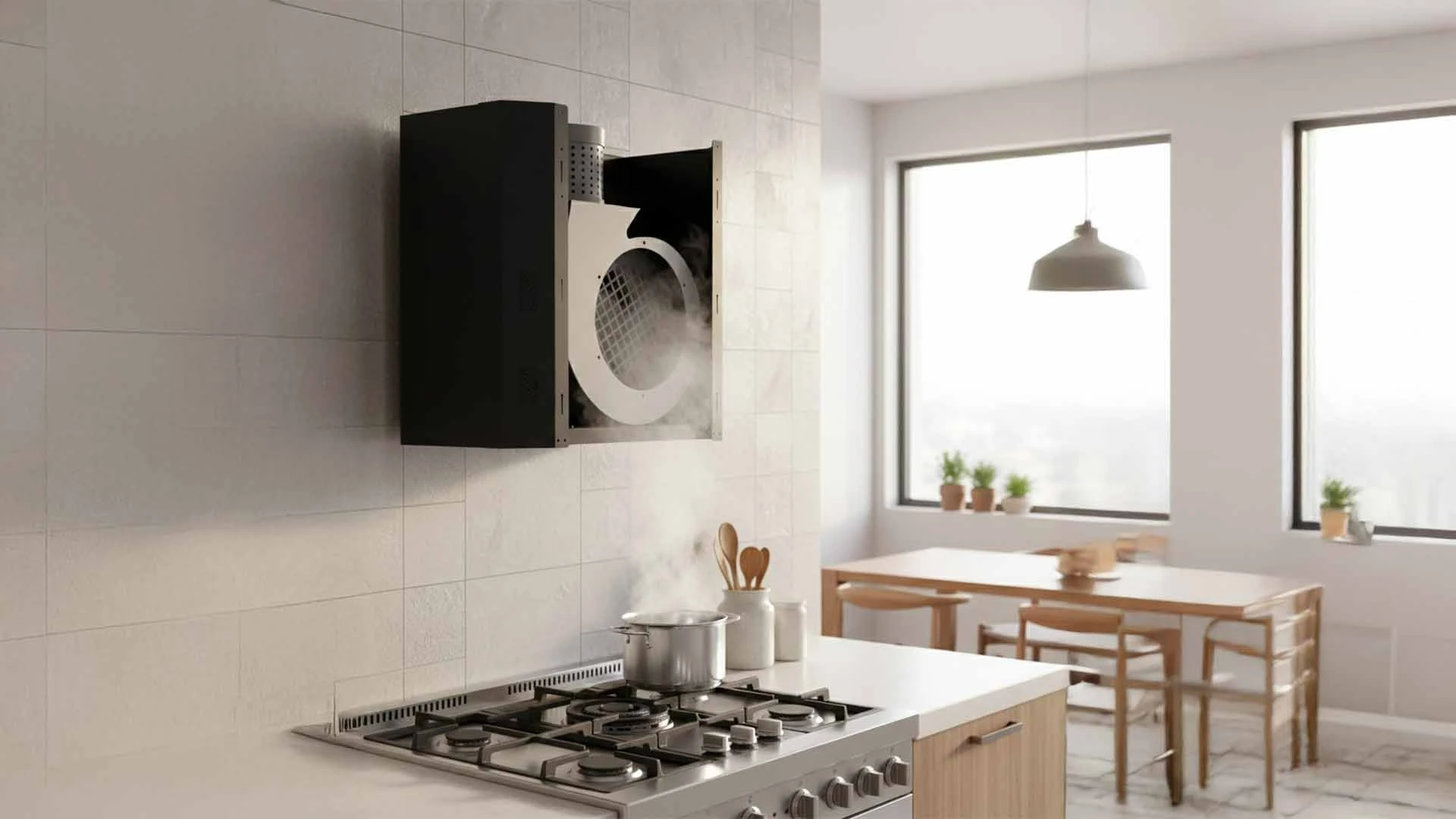
Cooking odors can transform your comfortable home into an uncomfortable space within minutes. Strong smells from frying, grilling, or spice-heavy dishes don't just affect your immediate comfort—they can linger for hours or even days, impacting your home's air quality and overall atmosphere. While many homeowners rely on basic solutions like opening windows or lighting candles, these approaches often fall short of providing effective cooking odor control solutions. Understanding the science behind kitchen smells and implementing comprehensive strategies can help you maintain a fresh, welcoming home environment regardless of your cooking style.
Cooking odors result from volatile organic compounds (VOCs) that become airborne during food preparation. These microscopic particles carry distinct smells and can penetrate fabrics, walls, and ventilation systems throughout your home.
Different cooking methods release varying types and intensities of odor-causing compounds. High-heat cooking like frying and grilling produces more volatile compounds than gentler methods like steaming or boiling. Spices, oils, and proteins each contribute unique molecular signatures that combine to create complex odor profiles. Some compounds are water-soluble and dissipate quickly, while oil-based particles can cling to surfaces for extended periods.
Persistent cooking odors indicate poor indoor air quality, which can affect respiratory comfort and overall well-being. These smells can also impact your home's value and make entertaining guests uncomfortable. When cooking odors become overwhelming or linger beyond normal timeframes, they signal the need for improved kitchen odor removal strategies.
Natural solutions offer safe, effective alternatives to chemical air fresheners. These methods work by neutralizing odor molecules rather than simply masking them with artificial fragrances.
Baking soda neutralizes acidic and basic odor compounds through chemical reactions. Place open containers of baking soda near cooking areas, inside cabinets, and around the kitchen perimeter. Replace every three months for optimal effectiveness. Create paste mixtures with water for cleaning surfaces that have absorbed cooking odors.
White vinegar's acetic acid content breaks down odor molecules effectively. Boil a bowl of white vinegar on the stove for 10-15 minutes to neutralize airborne cooking smells throughout your kitchen. Create spray solutions with equal parts water and vinegar for cleaning surfaces and fabrics safely.
Boiling lemon peels or citrus rinds releases natural oils that freshen air while neutralizing unpleasant odors. Coffee grounds absorb moisture and odors when placed in strategic locations. Activated charcoal bags provide long-term odor eliminator for cooking solutions in pantries and storage areas.
Proper ventilation forms the foundation of effective cooking odor control. Mechanical systems remove odor-laden air before it can spread throughout your home.
Choose range hoods with appropriate CFM (cubic feet per minute) ratings for your kitchen size and cooking habits. Ducted systems that exhaust air outside provide superior odor removal compared to ductless models that recirculate filtered air. Clean filters monthly and inspect ductwork annually to maintain peak performance.
Create cross-ventilation by opening windows on opposite sides of your kitchen during and after cooking. Position exhaust fans to pull odorous air away from living areas. Maintain slight negative pressure in the kitchen to prevent odor migration to other rooms.
HEPA filters capture particles but require activated carbon components to neutralize odor molecules effectively. Size air purifiers according to your kitchen's square footage, allowing for 4-5 air changes per hour during cooking periods. Look for units with automatic sensors that adjust operation based on detected air quality changes.
Smart ventilation systems integrate with home automation platforms to provide responsive odor control. These systems monitor air quality continuously and adjust ventilation automatically when cooking odors are detected. Some models connect to smartphone apps for remote monitoring and control.
Quick response techniques can prevent cooking odors from becoming persistent problems. Implementing these strategies during and immediately after cooking provides the most effective results.
Use lids on pans to contain steam and odors during cooking. Lower cooking temperatures when possible to reduce volatile compound production. Prepare aromatic ingredients like garlic and onions using methods that minimize odor release, such as gentle sautéing rather than high-heat frying.
Clean surfaces immediately with odor-neutralizing solutions to prevent absorption into porous materials. Wash or air out fabrics like dish towels and oven mitts that may have absorbed cooking smells. Empty trash containers promptly and clean disposal units to eliminate lingering odor sources.
Consistent maintenance routines ensure your odor control systems remain effective over time. Regular attention to key areas prevents the buildup of odor-causing residues.
Wipe down surfaces with mild cleaning solutions after each cooking session. Run ventilation systems for 15-20 minutes after cooking to clear residual odors. Check and empty grease traps in range hoods weekly to prevent odor buildup.
Schedule quarterly deep cleaning of ventilation systems, including ductwork inspection and filter replacement. Clean behind and under appliances where grease and food particles can accumulate. Replace activated charcoal filters in air purifiers according to manufacturer recommendations.
Combine multiple natural methods for best results: place baking soda containers around the kitchen, boil citrus peels during cooking, and maintain good ventilation. White vinegar solutions effectively clean surfaces without introducing artificial fragrances.
Boil white vinegar immediately after cooking while running all available ventilation. Open windows for cross-ventilation and use fans to accelerate air movement. Clean all surfaces with baking soda paste to neutralize absorbed odors quickly.
Address root causes by improving ventilation systems, sealing porous surfaces that absorb odors, and establishing consistent cleaning routines. Install adequate range Chimney hood capacity and maintain equipment regularly for long-term effectiveness.
Yes, boiling white vinegar releases acetic acid vapors that neutralize alkaline odor compounds. Use one cup of vinegar in two cups of water, boil for 10-15 minutes, and allow steam to circulate throughout the kitchen area.
Activated carbon filters provide the most effective long-term solution for persistent cooking odors. For immediate relief, combine natural methods like baking soda placement with mechanical ventilation for comprehensive odor control.
Effective cooking odor control requires a multi-layered approach combining natural solutions, proper ventilation, and consistent maintenance. Start with immediate improvements like strategic baking soda placement and improved ventilation habits. Invest in quality range hoods or air purifiers for long-term solutions and maintain regular cleaning schedules to prevent odor buildup. Remember that prevention through proper cooking techniques and immediate cleanup provides the most cost-effective approach to maintaining fresh kitchen air quality.
