

Kitchen Air Pollution: Your Complete Guide to Clean Air
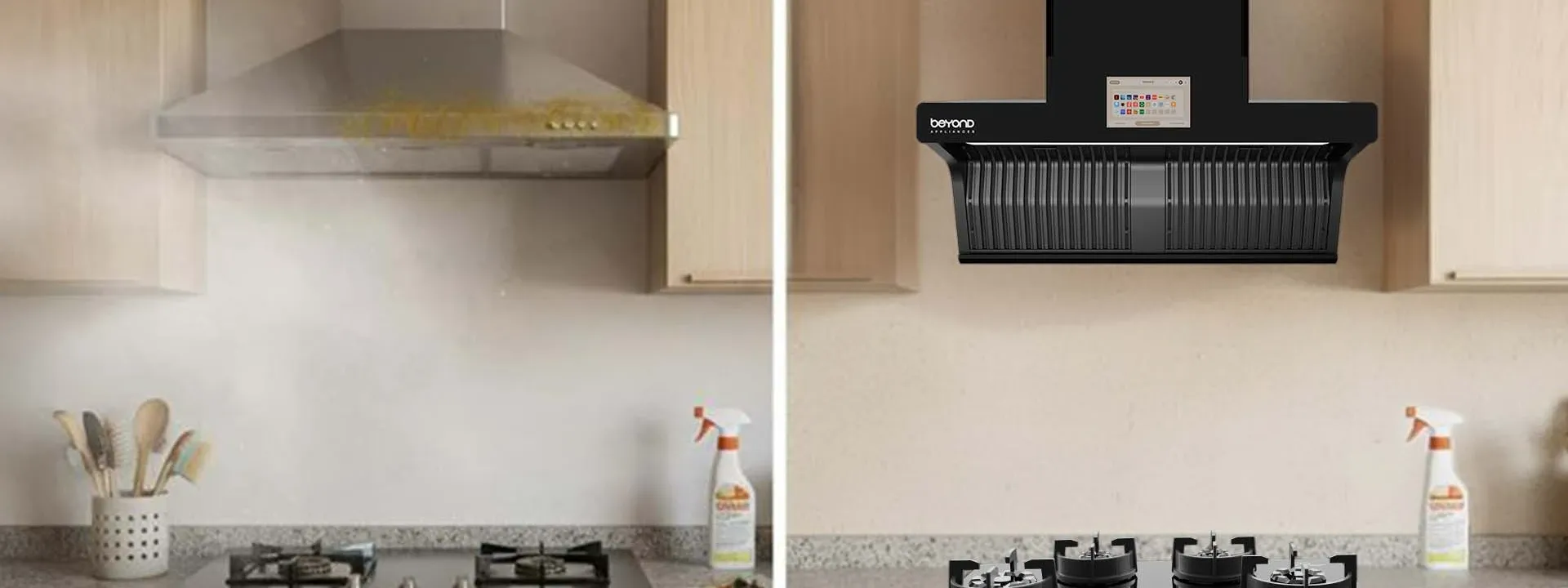
Your kitchen might be harboring invisible threats that could impact your family's health. Studies reveal that indoor air quality cooking environments can contain pollutant levels 2-5 times higher than outdoor air. From gas stove emissions to high-heat cooking byproducts, your daily meal preparation creates a complex mixture of airborne contaminants. The good news? Reducing kitchen air pollution is entirely achievable with the right knowledge and tools. This comprehensive guide will transform your understanding of kitchen air quality and provide actionable solutions to create a healthier cooking environment for your family.
Kitchen air pollution stems from multiple sources that many homeowners overlook. Gas stoves release nitrogen dioxide and carbon monoxide directly into your breathing space, while electric cooking methods generate their own set of concerns.
Cooking fumes represent the most significant contributor to kitchen air pollution. High-heat cooking methods like frying, searing, and grilling release particulate matter (PM2.5) that can penetrate deep into your lungs. Gas burners continuously emit nitrogen dioxide, even when properly adjusted. Non-stick cookware heated above 260°C releases toxic compounds, while cleaning products contribute volatile organic compounds (VOCs) to the air mixture.
Poor indoor air quality cooking environments trigger immediate and long-term health effects. Short-term exposure causes eye irritation, headaches, and respiratory discomfort. Children and elderly family members face heightened risks due to their sensitive respiratory systems. Long-term exposure links to cardiovascular disease, reduced lung function, and increased asthma severity.
Effective kitchen ventilation forms the foundation of any air quality improvement strategy. Modern ventilation systems offer sophisticated solutions that go far beyond basic exhaust fans.
A quality stove exhaust fan removes pollutants at their source before they spread throughout your home. Calculate your CFM (Cubic Feet per Minute) requirements by dividing your stove's BTU output by 100. For example, a 40,000 BTU stove requires a 400 CFM range hood minimum. Ducted systems provide superior performance compared to ductless alternatives, though both offer benefits depending on your kitchen layout.
Smart kitchen ventilation systems automatically adjust fan speeds based on real-time air quality readings. These advanced units feature sensors that detect cooking fumes, humidity levels, and temperature changes. Variable speed controls optimize energy efficiency while maintaining effective pollutant removal. Timer functions ensure continued operation after cooking ends, clearing residual contaminants.
Strategic window placement creates cross-ventilation that supplements mechanical systems. Open windows on opposite sides of your kitchen during cooking to establish airflow patterns. Position exhaust fans to work with natural air currents rather than against them. Consider seasonal wind patterns when planning ventilation strategies.
An air purifier for kitchen use requires specific features to handle cooking-related pollutants effectively. Kitchen environments present unique challenges that standard air purifiers may not address adequately.
HEPA filters capture 99.97% of particles 0.3 microns or larger, including cooking smoke and grease particles. Activated carbon filters absorb odors, gases, and VOCs released during cooking. Pre-filters extend main filter life by capturing larger particles like cooking grease. Some units combine multiple technologies for comprehensive kitchen air quality solutions.
Look for high CADR (Clean Air Delivery Rate) ratings specifically for smoke removal. Kitchen air purifiers should handle at least 200-300 square feet effectively. Noise levels below 50 decibels ensure comfortable operation during meal preparation. Easy-access filter compartments simplify maintenance in grease-prone environments.
Efficient cooking methods significantly reduce pollutant generation while maintaining food quality and flavor. Simple technique adjustments can dramatically improve your kitchen's air quality.
Steaming, boiling, and slow cooking generate minimal airborne pollutants compared to high-heat methods. These healthy cooking habits preserve nutrients while protecting air quality. Pressure cooking reduces cooking times and emission exposure. Baking at moderate temperatures produces fewer harmful compounds than pan-frying or grilling.
Reducing cooking emissions starts with selecting appropriate cooking equipment. Induction cooktops generate less ambient heat and eliminate gas combustion byproducts. Electric ovens with proper sealing contain emissions better than gas alternatives. Quality cookware with even heat distribution reduces the need for high-temperature cooking.
Use lids whenever possible to contain cooking vapors and reduce emission spread. Start ventilation systems before beginning cooking and continue operation for 15-20 minutes afterward. Batch cooking minimizes total emission exposure time. Avoid overheating oils, which creates harmful compounds and excessive smoke.
Implementing multiple kitchen air quality solutions creates layered protection against airborne pollutants. A comprehensive approach addresses both immediate and long-term air quality concerns.
Pre-cooking preparation includes checking ventilation system operation and opening windows if weather permits. During cooking, maintain maximum ventilation and monitor cooking temperatures to prevent excessive emissions. Post-cooking procedures involve continued ventilation operation and immediate cleanup of grease and food particles.
Regular deep cleaning removes accumulated grease and food particles that contribute to poor air quality. Replace HVAC filters monthly during heavy cooking periods. Schedule professional ductwork cleaning annually to maintain optimal ventilation performance. Consider air-purifying plants like snake plants or spider plants as natural air quality enhancers.
Start with proper ventilation habits: open windows during cooking, use existing exhaust fans consistently, and clean regularly. Switch to lower-emission cooking methods like steaming and baking. These changes cost nothing but provide immediate air quality improvements.
Calculate CFM requirements by dividing your stove's BTU output by 100. A 30,000 BTU stove needs at least 300 CFM. Choose a hood that extends 3 inches beyond your cooktop on each side for optimal capture efficiency.
Yes, gas stoves continuously emit nitrogen dioxide and carbon monoxide, even when properly adjusted. Electric and induction cooktops eliminate combustion byproducts, though they still generate cooking-related emissions from food preparation.
Clean metal filters monthly with warm, soapy water or in the dishwasher. Replace charcoal filters in ductless units every 3-6 months. Regular maintenance ensures optimal performance and prevents grease buildup that reduces efficiency.
Yes, but choose units specifically designed for kitchen use with activated carbon filters for odor removal and high CADR ratings for smoke. Position purifiers away from direct cooking areas to avoid grease damage while maintaining effectiveness.
Reducing kitchen air pollution requires a multi-faceted approach combining proper ventilation, smart cooking habits, and appropriate air cleaning technology. Start with maximizing your existing ventilation system's effectiveness through consistent use and regular maintenance. Implement low-emission cooking techniques and consider upgrading to cleaner cooking equipment when possible. Remember that small changes in cooking habits can produce significant improvements in air quality. Your family's health depends on the air quality in your kitchen, making these improvements both worthwhile and necessary for long-term wellness.
