

How to Safely Cook with High Heat on Glass Cooktops
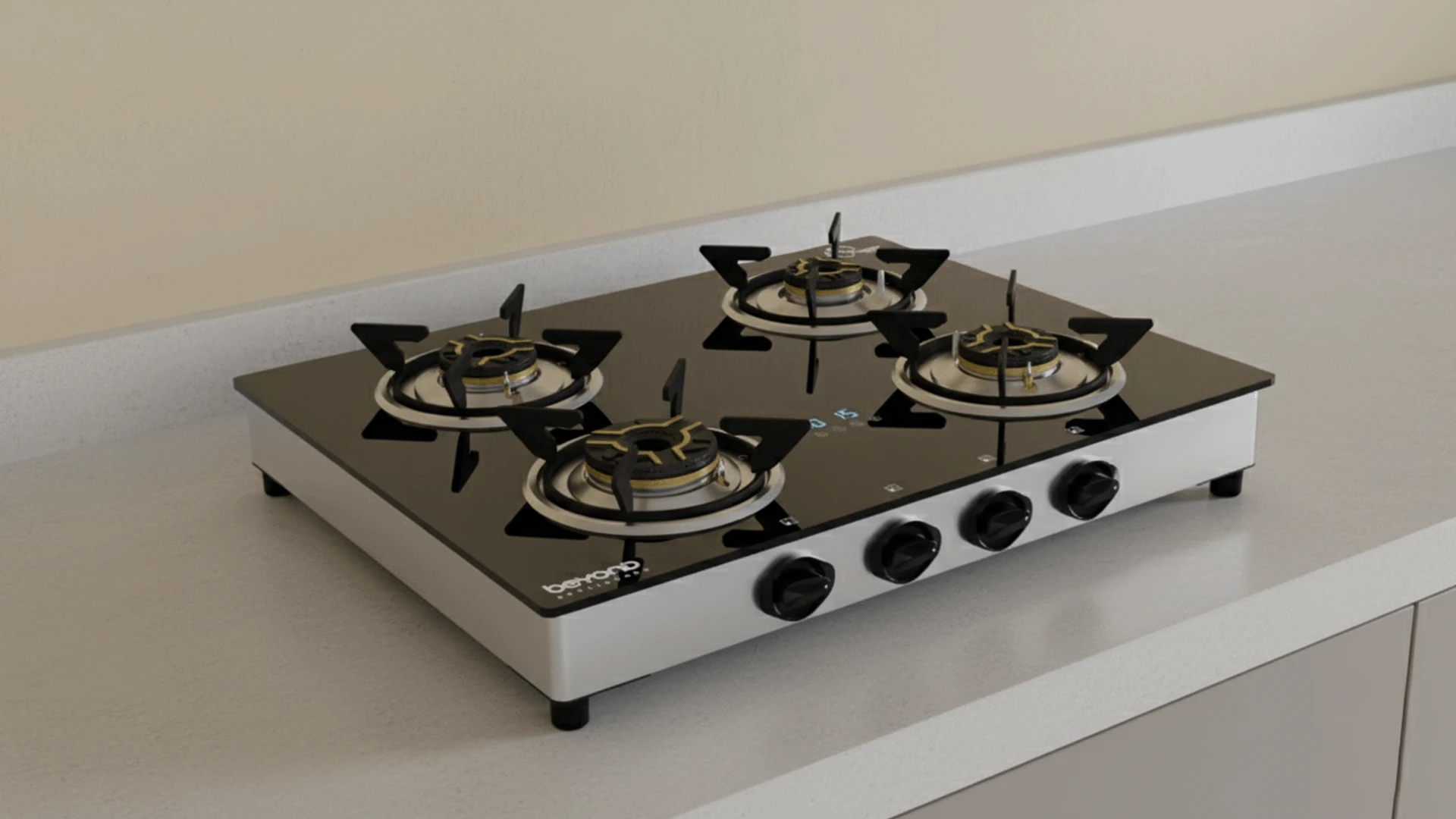
Glass cooktops have become increasingly popular in modern kitchens due to their sleek appearance and easy cleaning. However, many home cooks wonder about their ability to handle high-temperature cooking. Understanding the heat resistance capabilities of glass cooktops is essential for safe and effective cooking. These surfaces can indeed handle significant heat, but knowing the proper techniques and limitations ensures both optimal performance and longevity. Whether you're searing meats, stir-frying vegetables, or boiling water rapidly, glass cooktops offer excellent heat distribution when used correctly.
Glass cooktops are engineered to withstand extreme temperatures, making them suitable for most high-heat cooking applications. The ceramic glass construction can handle temperatures up to 700-800°C (1292-1472°F), which exceeds the requirements for typical home cooking. This impressive heat resistance comes from the tempered glass composition, which undergoes special manufacturing processes to enhance its thermal properties. The radiant heating elements beneath the glass surface distribute heat evenly across the cooking zone. This technology allows for precise temperature control while maintaining the structural integrity of the cooktop. Unlike regular glass, the ceramic glass used in cooktops has superior thermal shock resistance, meaning it can handle rapid temperature changes without cracking.
The heating elements use radiant technology to transfer heat through the glass surface to your cookware. This process creates consistent heat distribution patterns that eliminate hot spots common in other cooking surfaces. The temperature regulation mechanisms built into modern glass cooktops provide precise control over heat output.
When compared to stainless steel surfaces, glass cooktops offer superior heat retention and more even temperature distribution. This makes them particularly effective for cooking techniques that require consistent heat, such as simmering sauces or maintaining steady frying temperatures.
Safe high-heat cooking on glass cooktops requires following specific protocols to prevent damage and ensure optimal performance. Proper preparation and monitoring during cooking sessions protect both your cookware and the cooktop surface. Understanding these safety measures helps you maximize the benefits of your glass cooktop while avoiding costly repairs. Before starting any high-heat cooking session, inspect the cooktop surface for any existing cracks or damage. Even small imperfections can lead to thermal stress fractures when exposed to extreme temperatures. Clean the surface thoroughly to remove any residue that might interfere with heat transfer or cause hot spots.
Always examine your cookware for flat, smooth bottoms that make complete contact with the glass surface. Warped or damaged pans can create uneven heating and potential safety hazards. Select appropriately sized cookware that matches the heating element diameter for optimal efficiency.
Watch for temperature indicator lights and adjust heat settings gradually rather than making sudden changes. Avoid placing cold cookware directly onto hot surfaces, as this can cause thermal shock. Monitor your food closely, as glass cooktops retain heat longer than other surfaces.
Allow the cooktop to cool naturally without using cold water or wet cloths on hot surfaces. This prevents thermal shock that could crack the glass. Clean spills immediately once the surface has cooled to prevent permanent staining or damage.
Choosing appropriate cookware is crucial for successful high-heat cooking on glass surfaces. The right pans not only protect your cooktop but also improve cooking performance and heat efficiency. Quality cookware designed for glass cooktops ensures even heat distribution and prevents damage to both the pan and the cooking surface. Stainless steel cookware with heavy, flat bottoms provides excellent heat conduction and stability on glass surfaces. Cast iron can be used effectively but requires careful handling due to its weight and potential for scratching. Carbon steel offers superior high-heat performance for techniques like stir-frying and searing.
Stainless steel with aluminum or copper cores offers the best combination of durability and heat distribution. These materials heat evenly and respond quickly to temperature changes, making them ideal for precise cooking control.
Glass and ceramic cookware should be avoided for high-heat applications as they can shatter from thermal stress. Avoid using cookware with rough or textured bottoms that might scratch the glass surface. Oversized pans that extend beyond the heating element waste energy and can cause uneven heating.
Effective high-heat cooking on glass cooktops requires understanding how to work with the unique characteristics of this cooking surface. Proper technique maximizes heat efficiency while protecting your investment in quality cookware and appliances. These methods help you achieve professional-level results in your home kitchen. Gradual temperature increases allow the glass surface and cookware to heat evenly, preventing thermal shock and ensuring consistent cooking results. Start with medium heat and increase gradually to your desired temperature. This approach also helps prevent food from sticking and burning.
Use the residual heat capacity of glass cooktops to your advantage by reducing heat settings before cooking is complete. The surface retains heat longer than gas burners, allowing you to finish cooking with reduced energy consumption.
For searing meats, preheat your pan gradually to the desired temperature before adding food. Stir-frying requires quick heat adjustments, which glass cooktops handle well with their responsive controls. Boiling water efficiently requires using appropriately sized pans with tight-fitting lids.
Proper maintenance extends the life of your glass cooktop and maintains its heat resistance capabilities. Regular care prevents damage that could compromise the surface's ability to handle high temperatures safely. Following manufacturer guidelines ensures optimal performance throughout the appliance's lifespan. Daily cleaning with appropriate products prevents buildup that can interfere with heat transfer. Use cooktop-specific cleaners and avoid abrasive materials that might scratch the surface. Address spills immediately to prevent permanent staining or etching.
Weekly deep cleaning removes accumulated residue and maintains the cooktop's appearance. Monthly inspection for wear patterns or damage helps identify potential issues before they become serious problems.
Schedule professional maintenance annually to ensure all components function correctly. This includes checking heating elements, temperature sensors, and control systems for optimal performance.
Yes, glass cooktops can safely handle high heat up to 1472°F (800°C). The ceramic glass construction is specifically designed to withstand extreme temperatures while maintaining structural integrity. Proper cookware selection and gradual heating techniques ensure safe operation.
Glass cooktops can reach maximum temperatures between 1292-1472°F (700-800°C). This temperature range accommodates all standard cooking techniques including searing, boiling, and high-heat stir-frying while maintaining safety margins.
Stainless steel with flat bottoms, properly seasoned cast iron, and carbon steel perform best for high-heat applications. These materials provide excellent heat conduction and won't damage the glass surface when used correctly.
Avoid thermal shock by heating gradually, using appropriate cookware sizes, and never placing cold items on hot surfaces. Regular inspection for existing damage and proper cleaning techniques also prevent stress fractures.
Yes, glass cooktops offer excellent energy efficiency due to their heat retention properties and even distribution. The radiant heating technology transfers heat directly to cookware with minimal energy loss.
Glass cooktops provide excellent performance for high-heat cooking when used properly. Understanding temperature limits, selecting appropriate cookware, and following safety guidelines ensures both optimal cooking results and appliance longevity. With proper care and technique, these surfaces offer years of reliable service for all your culinary needs. The combination of safety features, energy efficiency, and precise temperature control makes glass cooktops an excellent choice for modern kitchens focused on both performance and style.
