

How to Choose the Perfect Cooktop Stove for Home
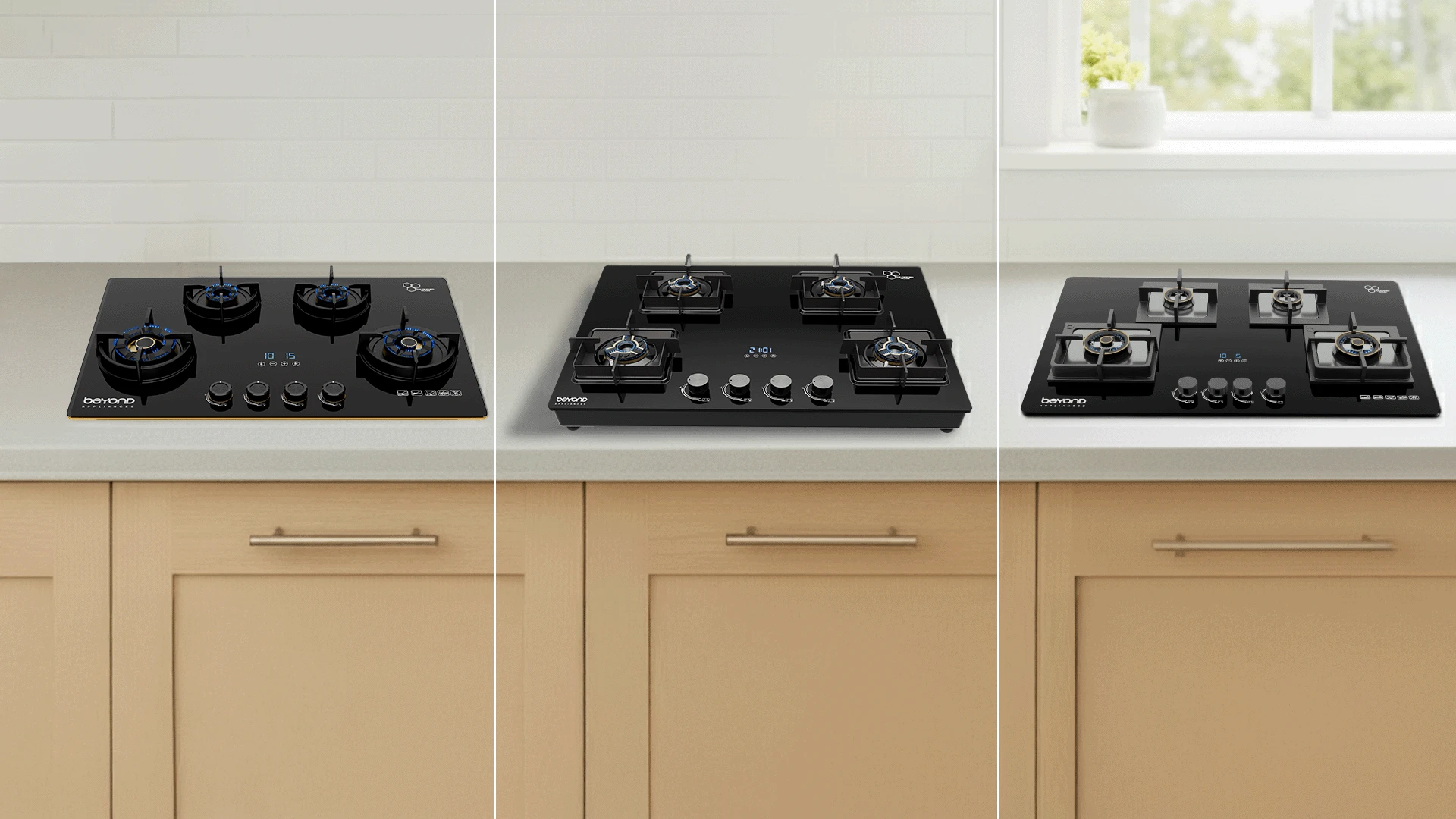
Choosing the right cooktop can transform your cooking experience and kitchen efficiency. With numerous types of cooktop stove options available today, making the perfect choice requires understanding each technology's unique benefits and limitations. From traditional gas cooktops to modern smart cooktop innovations, each type offers distinct advantages for different cooking styles and kitchen setups. The key lies in matching your specific needs with the right technology, considering factors like cooking habits, kitchen space, energy efficiency, and long-term value. This comprehensive guide will help you navigate through all available options to find your ideal cooking solution.
Modern kitchens offer four primary types of cooktop stove technologies, each designed to meet specific cooking needs and preferences. Understanding these fundamental differences helps you make an informed decision that aligns with your cooking style and kitchen requirements.
Gas cooktops provide instant flame control with immediate heat adjustment capabilities. The open flame design offers visual feedback, allowing cooks to see exactly how much heat they're applying to their cookware. This immediate response makes gas cooktops particularly popular among professional chefs and cooking enthusiasts who value precise control. Gas cooktops work with virtually any cookware material, from lightweight aluminum to heavy cast iron. The flame heats the entire bottom surface of pans evenly, making them ideal for techniques like stir-frying or searing. Installation requires proper gas line connections and adequate ventilation for safety.
Electric stove options include both traditional coil elements and smooth-top radiant heating surfaces. Coil electric cooktops offer reliable performance at budget-friendly prices, while smooth-top models provide easier cleaning and modern aesthetics. Radiant heating technology distributes heat evenly across the cooking surface. Electric cooktops typically consume more energy than gas options but offer consistent heating patterns. They work best with flat-bottomed cookware that makes full contact with the heating surface. Modern electric models include features like residual heat indicators and multiple heat settings for versatile cooking.
Induction cooktop technology uses electromagnetic fields to heat magnetic cookware directly, making it the most energy efficient cooktop option available. This technology heats cookware faster than gas or traditional electric methods while keeping the cooktop surface relatively cool to touch. Induction cooktops require magnetic cookware, such as cast iron or magnetic stainless steel. The precise temperature control allows for everything from gentle simmering to rapid boiling. Safety features include automatic pan detection and child lock functions, making induction cooktops ideal for families.
Portable cooktop and countertop stove solutions offer flexibility for small kitchens or temporary cooking needs. These compact units can be gas, electric, or induction-powered, providing full cooking capabilities in space-saving designs. Downdraft cooktops integrate ventilation systems directly into the cooking surface, eliminating the need for overhead range hoods. Commercial-style cooktops bring professional-grade power and durability to home kitchens, though they typically require more robust ventilation systems.
Each type of cooktop offers unique performance characteristics that affect cooking speed, energy consumption, and overall user experience. Understanding these differences helps identify which technology best matches your cooking priorities and kitchen setup.
Induction cooktops lead in heating speed, bringing water to boil up to 50% faster than gas or electric alternatives. Gas cooktops provide immediate heat but lose significant energy to the surrounding air. Electric cooktops take longer to heat up and cool down but maintain consistent temperatures once stabilized. Energy efficient cooktop rankings typically place induction first, followed by gas, then electric. Induction transfers approximately 90% of energy directly to cookware, while gas transfers about 60% and electric around 70%. These efficiency differences translate to lower operating costs over time.
Gas cooktops excel in immediate heat adjustment, allowing instant changes from high heat to low simmer. Visual flame feedback helps cooks gauge heat levels intuitively. Induction cooktops offer the most precise temperature control with digital settings and consistent heat delivery. Electric cooktops provide steady heat but slower response times when adjusting temperatures. Modern electric models include rapid-heat elements and warming zones for improved versatility. Professional cooking techniques often favor gas for high-heat applications and induction for precise temperature-sensitive preparations.
Induction cooktops offer superior safety with cool-to-touch surfaces and automatic shut-off when cookware is removed. Child safety locks and pan detection prevent accidental activation. Gas cooktops include flame failure safety devices that automatically shut off gas flow if flames are extinguished. Electric cooktops feature residual heat indicators and automatic shut-off timers. Smooth-top electric models eliminate exposed heating elements, reducing burn risks. All modern cooktop types include various safety certifications and built-in protection systems.
Modern stove technology increasingly incorporates smart features that enhance cooking precision, safety, and convenience. These innovations represent the future of home cooking, offering connectivity and automation that simplifies meal preparation.
Smart cooktop models connect to home Wi-Fi networks, enabling remote monitoring and control through smartphone apps. Users can adjust temperatures, set timers, and receive cooking notifications from anywhere in the home. Recipe integration guides users through cooking steps with automatic temperature adjustments. Advanced models include built-in cameras and sensors that monitor food progress, automatically adjusting heat levels for optimal results. Voice control compatibility allows hands-free operation, particularly useful when handling multiple cooking tasks simultaneously.
Sensor technology in modern cooktops detects cookware size and automatically adjusts heating zones for maximum efficiency. Temperature sensors prevent overheating and automatically reduce power when optimal cooking temperatures are reached. These features contribute to both safety and energy conservation. Maintenance alerts notify users when cleaning is needed or when components require attention. Diagnostic systems can identify potential issues before they become problems, extending cooktop lifespan and maintaining optimal performance.
Selecting the perfect cooktop requires careful consideration of multiple factors beyond just cooking performance. Size, installation requirements, and budget constraints all play crucial roles in determining the best choice for your specific situation.
Standard cooktop dimensions range from 30 to 36 inches wide, with some models extending to 48 inches for large kitchens. Burner configurations vary from four to six cooking zones, with some models offering flexible zone sizes that accommodate various cookware dimensions. Compact portable cooktop options measure as small as 12 inches, perfect for studio apartments or supplemental cooking needs. Consider your typical cooking volume and the largest cookware you regularly use when selecting size and configuration.
Built-in cooktops require professional installation and specific cutout dimensions in countertops. Gas models need proper gas line connections and ventilation, while electric models require appropriate electrical circuits. Induction cooktops may need upgraded electrical service for optimal performance. Portable cooktop models offer plug-and-play convenience without installation costs. However, they typically provide lower power output compared to built-in alternatives. Factor installation costs into your total budget when comparing options.
Entry-level electric cooktops start around INR 15,000, while basic gas models begin near INR 20,000. Mid-range induction cooktops typically cost INR 25,000 to INR 50,000, with premium smart cooktop models reaching INR 100,000 or more. Consider operating costs alongside purchase prices. Induction cooktops often offset higher initial costs through energy savings over time. Gas cooktops may have lower operating costs in areas with inexpensive natural gas. Factor in potential repair costs and expected lifespan when calculating long-term value.
Cookware compatibility significantly impacts cooktop performance and cooking results. Each cooktop type works best with specific cookware materials and designs, making proper selection essential for optimal cooking experiences.
Induction cooktops require magnetic cookware materials like cast iron, magnetic stainless steel, or enameled steel. Test cookware with a magnet to ensure compatibility. Aluminum and copper cookware won't work unless they have magnetic bases. Gas cooktops work with virtually any cookware material but perform best with heavy-bottomed pans that distribute heat evenly. Lightweight aluminum may warp under high heat, while cast iron provides excellent heat retention. Electric cooktops require flat-bottomed cookware for maximum surface contact and efficient heat transfer.
For gas cooktops, match flame size to pan bottom diameter to maximize efficiency and prevent heat waste. Use medium flames for most cooking tasks, reserving high heat for boiling water or searing. Clean burner ports regularly to maintain even flame distribution. Induction cooktop performance improves with properly sized cookware that covers the entire heating zone. Use the boost function for rapid heating, then reduce to normal settings for cooking. Take advantage of precise temperature controls for delicate sauces and chocolate work. Electric cooktop efficiency increases when cookware completely covers heating elements. Preheat pans gradually to prevent warping, and use residual heat for finishing dishes after turning off elements. Keep smooth-top surfaces clean for optimal heat transfer.
The ideal cooktop choice depends on your specific cooking habits, kitchen constraints, and personal preferences. Matching these factors with appropriate technology ensures satisfaction with your investment for years to come.
Frequent cooks who prepare multiple meals daily benefit from the speed and precision of induction cooktops. Occasional cooks might find basic electric models sufficient for their needs. Consider whether you enjoy techniques like wok cooking or flambéing, which favor gas cooktops. Kitchen ventilation capabilities influence cooktop choice, as gas models require more robust exhaust systems. Small kitchens might benefit from portable cooktop options that can be stored when not in use. Family safety priorities might favor induction cooktops with cool surfaces and automatic shut-off features.
Smart cooktop features increasingly become standard, making connected models better long-term investments. Consider your comfort level with technology and whether app-controlled cooking appeals to your lifestyle. Energy efficiency becomes more important as utility costs rise over time. Warranty coverage and local service availability affect long-term satisfaction. Research manufacturer support in your area and read customer reviews about reliability and service quality. Extended warranty options provide additional peace of mind for premium models.
The main types include gas cooktops with open flames, electric cooktops with radiant or coil heating, induction cooktops using electromagnetic technology, and specialty options like downdraft or commercial-style models for home use.
The four primary types are gas stoves using natural gas or propane, electric stoves with radiant or coil elements, induction stoves using electromagnetic heating, and dual fuel combinations featuring gas cooktops with electric ovens.
Induction cooktops are generally considered the best electric option due to faster heating speeds, precise temperature control, superior energy efficiency, and enhanced safety features with cool-to-touch surfaces.
Induction cooktops offer the best combination of speed, efficiency, safety, and precise control, though the ideal choice depends on your specific cooking style, budget constraints, and kitchen setup requirements.
Yes, induction cooktops require magnetic cookware materials like cast iron or magnetic stainless steel, while gas and electric cooktops work with most cookware materials. Flat-bottomed pans work best for electric cooktops.
Portable cooktops offer excellent flexibility and convenience but typically have lower power output than built-in models. They're ideal for small spaces, temporary cooking solutions, or as supplemental cooking equipment.
Choosing the perfect cooktop stove requires balancing performance needs with practical considerations like budget, installation requirements, and cooking habits. Induction cooktops lead in efficiency and safety, while gas cooktops excel in immediate heat control and cookware versatility. Electric cooktops provide reliable performance at budget-friendly prices, and smart cooktop features add convenience and precision to modern cooking. Consider your specific needs, kitchen constraints, and long-term goals when making this important kitchen investment. The right cooktop will enhance your cooking experience while providing years of reliable service.
