

How to Choose the Best Grinder Machine for Your Kitchen
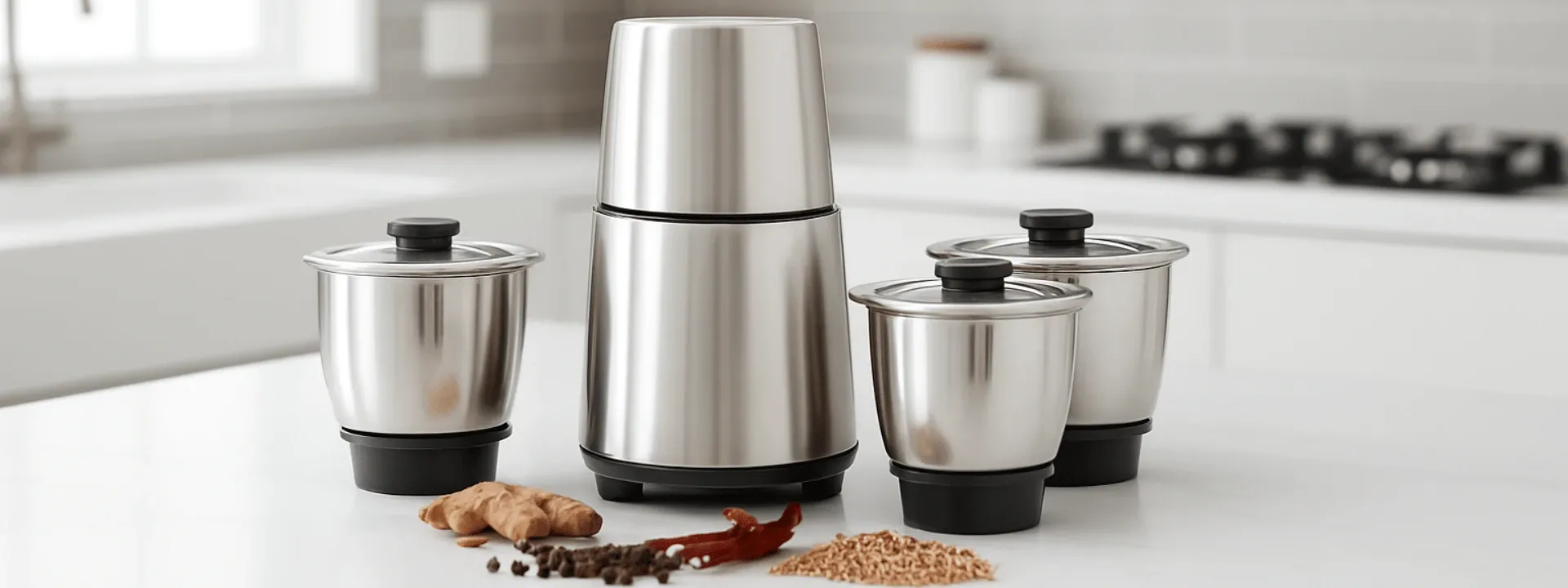
A well-equipped kitchen is incomplete without the right appliances, and kitchen stands as one of the most essential tools for any home cook. Whether you're preparing fresh spices for authentic Indian dishes, grinding coffee beans for that perfect morning brew, or creating smooth pastes for various recipes, choosing the right grinder can transform your cooking experience. The market offers numerous options, from basic models to advanced units with multiple features, making the selection process both exciting and overwhelming.
Selecting the perfect grinder starts with understanding the various types available in the market. Each type serves specific purposes and comes with unique advantages that cater to different cooking needs.
An electric grinder for kitchen provides consistent results with minimal effort. These units feature powerful motors that handle both wet and dry grinding tasks efficiently. Most electric models come with multiple speed settings, allowing you to control the texture of your ingredients. They work exceptionally well for preparing chutneys, masala powders, and even small batches of batter.
A dedicated food grinder for home use typically offers larger capacity bowls and more robust construction. These units excel at handling bigger quantities and tougher ingredients. They often include multiple jars for different grinding tasks, keeping flavors separate and maintaining hygiene standards.
For specific tasks, a mini grinder for spices or compact grinder for herbs proves invaluable. These smaller units take up minimal counter space while delivering precise results for delicate ingredients. They're perfect for grinding small quantities of expensive spices without waste.
Making the right choice requires careful evaluation of several critical features. Understanding these aspects helps ensure your investment serves your cooking needs effectively for years to come.
Motor wattage directly impacts grinding efficiency and speed. Higher wattage motors handle tough ingredients like turmeric roots and dried chilies with ease. Look for motors ranging from 500 to 1000 watts for optimal performance. A powerful motor also reduces grinding time, preserving the natural oils and flavors in your spices.
A stainless steel grinder for kitchen use offers superior durability and hygiene benefits. Stainless steel resists staining, doesn't absorb odors, and maintains its appearance over time. The material also ensures food safety and makes cleaning effortless. Quality construction prevents vibrations and ensures stable operation during use.
A multi-purpose grinder for cooking maximizes your investment by handling various tasks. Look for models that can grind dry spices, make wet pastes, and even prepare small quantities of flour. Some advanced units include additional attachments for specific tasks like coconut scraping or juice extraction.
Your cooking habits and family size significantly influence the type of grinder that best suits your needs. Understanding these requirements prevents overspending on unnecessary features or purchasing underpowered units.
For regular home cooking, a small grinder for grinding daily spices and making fresh pastes works perfectly. These units typically feature 500-750ml capacity jars, sufficient for family-sized portions. They handle routine tasks like grinding ginger-garlic paste, making coconut chutney, or preparing spice powders for weekly cooking.
A countertop grinder for kitchen placement offers easy access and convenient operation. These units typically feature compact designs that fit comfortably on standard kitchen counters while providing adequate capacity for most grinding tasks. They often include cord storage and non-slip bases for added convenience.
Families with extensive cooking needs benefit from a heavy-duty grinder for kitchen use. These robust units handle large quantities and frequent use without overheating. They feature reinforced motors, larger capacity jars, and enhanced cooling systems for sustained operation.
Cooking enthusiasts might prefer a professional grade grinder for kitchen applications. These units offer precise control, consistent results, and commercial-quality construction. They typically include multiple speed settings, overload protection, and premium materials throughout.
Beyond basic specifications, several practical considerations influence your daily experience with the grinder. These factors often determine user satisfaction and long-term value.
Grinder noise levels vary significantly between models. Units with better insulation and quality motors operate more quietly. Consider your kitchen's proximity to living areas and your typical grinding times when evaluating noise levels.
Modern grinders include safety locks, overload protection, and non-slip bases. These features prevent accidents and protect the motor from damage. Look for units with easy-to-operate controls and clear indicator lights.
Easy maintenance extends your grinder's lifespan and ensures hygienic operation. Removable parts, dishwasher-safe components, and smooth surfaces simplify cleaning. Some models include specialized cleaning tools or self-cleaning functions.
Grinder prices vary widely based on features, capacity, and build quality. Understanding the price-performance relationship helps identify the best value for your specific needs and budget constraints.
Basic grinders starting around INR 2,000-3,000 handle simple grinding tasks adequately. These units typically feature single-speed operation, plastic construction, and smaller capacity jars. They work well for occasional use and basic spice grinding.
Grinders in the INR 4,000-8,000 range offer better motors, multiple jars, and improved durability. These units balance features and affordability, making them popular choices for regular home cooking. They often include stainless steel components and multiple speed settings.
High-end grinders exceeding INR 10,000 provide commercial-grade performance, premium materials, and advanced features. These investments deliver exceptional longevity and consistent results for serious cooking enthusiasts.
Proper maintenance ensures your grinder delivers consistent performance throughout its lifespan. Following these guidelines protects your investment and maintains food safety standards. Regular cleaning after each use prevents residue buildup and odor retention. Rinse jars immediately after grinding wet ingredients and dry thoroughly before storage. For dry spices, wipe jars with a damp cloth and ensure complete drying. Deep clean weekly using warm soapy water for removable parts. Blade maintenance requires special attention for optimal grinding performance. Check blades regularly for damage or dullness. Some models allow blade replacement, extending the unit's useful life. Avoid grinding extremely hard items that might damage blades or motor components. Storage considerations include keeping the unit in a dry, clean location. Ensure proper ventilation around the motor housing to prevent overheating. Store attachments and jars properly to prevent damage and maintain organization.
A grinder with 750ml to 1-liter capacity jars typically serves a family of four well. This size handles weekly spice grinding and daily paste preparation without being excessive for storage or cleaning.
While possible, using separate jars for wet and dry ingredients maintains better hygiene and prevents flavor mixing. Many grinders include multiple jars specifically for this purpose.
Use pulse grinding technique for tough ingredients, allow cooling breaks between batches, and avoid exceeding recommended capacity. Quality grinders include thermal protection that automatically shuts off when overheated.
Mixer grinders offer multiple functions including mixing and blending, while spice grinders focus specifically on grinding tasks. Dedicated grinders often provide finer, more consistent results for spices.
With proper care, quality blades last 2-3 years with regular use. Replace when you notice decreased grinding efficiency, visible damage, or inability to achieve desired textures.
Choosing the right grinder machine for your kitchen involves balancing your specific needs with available features and budget constraints. Consider your cooking habits, family size, and preferred ingredients when making your selection. Prioritize motor power, build quality, and safety features for long-term satisfaction. Remember that a well-chosen grinder becomes an indispensable kitchen companion, enhancing your cooking efficiency and ingredient quality for years to come.
