

Gas vs Electric Hob: Ultimate Cooking Guide
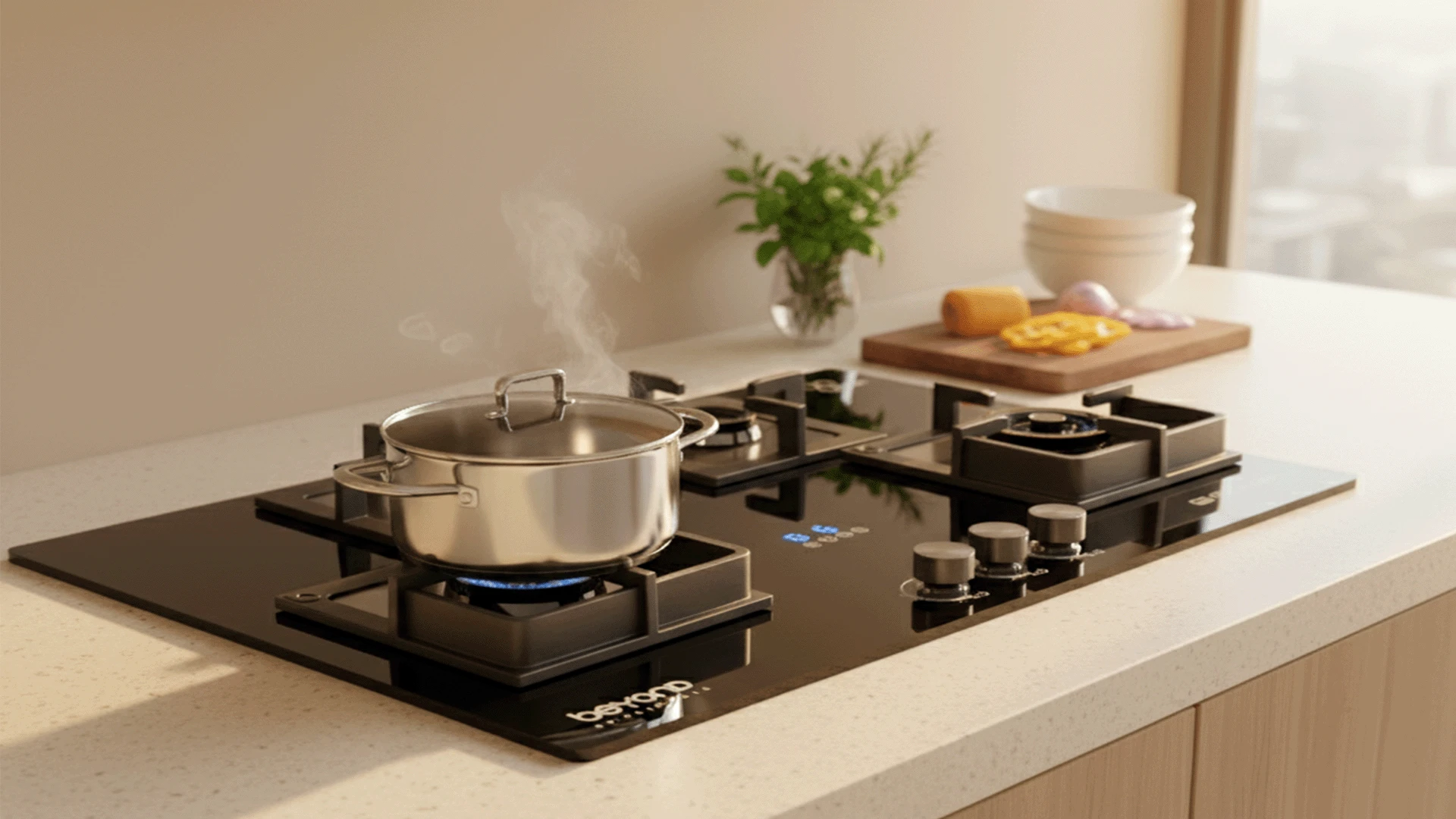
Choosing the right cooking surface for your kitchen is one of the most important decisions you'll make during a kitchen renovation or upgrade. The debate between gas hob vs electric hob has been ongoing for decades, with each option offering distinct advantages for different cooking styles and household needs. Modern kitchens now feature advanced technologies like induction cooking and smart connectivity, making this decision more complex than ever. Understanding the key differences between gas and electric cooking surfaces will help you make an informed choice that suits your cooking habits, budget, and kitchen setup. This comprehensive guide explores every aspect of hob selection to ensure you choose the perfect cooking companion for your home.
The fundamental difference between a gas hob and an electric hob lies in their heat generation methods. Gas hobs produce instant heat through open flames that burn natural gas or LPG, providing immediate temperature control that responds instantly to adjustments. Electric hobs, on the other hand, use electrical resistance coils or electromagnetic induction to generate heat, offering more consistent temperature distribution across the cooking surface. Installation requirements vary significantly between these two options. Gas hobs require a dedicated gas line connection and proper ventilation systems to ensure safe operation. Electric hobs need adequate electrical capacity, often requiring 220V connections for optimal performance. Kitchen compatibility depends on existing infrastructure, with gas connections being more common in older homes while newer constructions often favor electric setups. Visual design differences are immediately apparent when comparing these cooking surfaces. Gas hobs feature visible burner grates and flame patterns that create a traditional cooking aesthetic. Electric hobs offer sleek, flat surfaces that integrate seamlessly with modern kitchen designs, especially ceramic and induction models that provide smooth, easy-to-clean surfaces.
Gas hobs offer several compelling advantages that make them popular among cooking enthusiasts. The instant heat control allows precise temperature adjustments, making them ideal for techniques requiring quick temperature changes like stir-frying or searing. Professional chefs often prefer gas cooking because flames provide visual feedback about heat intensity, enabling better cooking control. Running costs typically favor gas hobs, as natural gas generally costs less per unit of energy compared to electricity in most regions. The energy transfer efficiency of gas hobs reaches approximately 60%, which, while lower than induction, still provides cost-effective cooking for most households. Gas hobs also continue working during power outages, ensuring uninterrupted cooking capability. However, gas hobs present certain disadvantages that must be considered. Safety concerns include potential gas leaks, carbon monoxide risks, and open flame hazards, particularly in households with young children. Cleaning challenges arise from removable grates and burner components that require regular maintenance. Gas supply requirements limit installation flexibility, and some areas may have restricted access to natural gas connections.
Traditional electric coil hobs represent the most basic electric cooking option, featuring exposed heating elements that glow red when heated. These units offer reliable performance at affordable prices but lack the precision control of more advanced options. Ceramic electric hobs provide smooth glass surfaces with hidden heating elements underneath. These units heat up gradually and retain heat longer than gas alternatives, making them energy-efficient for longer cooking sessions. The flat surface design simplifies cleaning and creates a modern kitchen appearance. Induction hob technology represents the most advanced electric cooking method, using electromagnetic fields to heat cookware directly. This technology achieves 90% energy efficiency, significantly higher than gas or traditional electric options. Induction hobs offer precise temperature control, rapid heating, and enhanced safety features since the cooking surface remains relatively cool.
Smart hob technology introduces connectivity features that enhance cooking convenience and safety. These advanced units can be controlled remotely through smartphone apps, allowing users to monitor cooking progress and adjust settings from anywhere in the home. Safety advantages make electric hobs particularly appealing for families with children. Induction hobs only heat magnetic cookware, leaving the surface cool to touch. Automatic shut-off features, child locks, and residual heat indicators provide additional protection against accidents.
Initial purchase costs vary significantly across different hob comparison categories. Basic gas hobs typically start around INR 5,000 for entry-level models, while premium gas units can reach INR 25,000 or more. Electric coil hobs offer similar entry-level pricing, but ceramic and induction models command higher prices, with quality induction hobs ranging from INR 15,000 to INR 50,000. Running costs depend heavily on local utility pricing and cooking habits. Gas generally provides lower operating costs in most Indian markets, with natural gas costing significantly less per unit of energy compared to electricity. However, the superior efficiency of induction cooking can offset higher electricity costs for frequent cooks. Hob energy consumption varies dramatically between technologies. Gas hobs achieve approximately 60% energy transfer efficiency, meaning 40% of energy is lost to the surrounding air. Traditional electric coils reach similar efficiency levels, while ceramic hobs improve slightly to 65-70%. Induction technology leads with 90% efficiency, converting nearly all electrical energy into cooking heat. Long-term cost projections favor different options depending on usage patterns. Heavy cooking households often benefit from gas hob economics, while occasional cooks may find induction's efficiency more cost-effective despite higher electricity rates.
Professional chefs traditionally prefer gas cooking for its immediate response and visual heat indicators. The ability to see flame size provides intuitive feedback about cooking intensity, essential for techniques requiring precise timing. Gas flames also allow for specialized cooking methods like charring vegetables directly over the flame or achieving the perfect wok hei in stir-fry dishes. Home cook preferences increasingly lean toward electric options, particularly induction, for their convenience and safety features. The consistent heat distribution of electric surfaces suits everyday cooking tasks like simmering sauces or maintaining steady temperatures for delicate preparations. Cooking technique suitability varies between hob types. Gas excels at high-heat applications like searing meats or quick vegetable stir-fries. Electric hobs, especially induction, provide superior performance for tasks requiring steady, controlled heat like melting chocolate or preparing custards.
Kitchen layout considerations play a crucial role in hob selection. Gas installations require adequate ventilation and clearance around burners, while electric options offer more flexible placement options. Counter space and cabinet configurations may favor the slim profile of induction units over bulkier gas installations. Cooking style assessment helps determine the most suitable option. Frequent entertainers who prepare multiple dishes simultaneously may prefer the instant control of gas burners. Health-conscious cooks might appreciate induction's precise temperature control for techniques like sous vide or gentle warming. Budget planning should include purchase price, installation costs, and long-term operating expenses. Gas installations may require professional plumbing work, while electric upgrades might need electrical system modifications. Consider warranty coverage and service availability when calculating total ownership costs. Safety requirements become paramount in households with elderly users or young children. Electric hobs, particularly induction models, offer superior safety features including automatic shut-off, child locks, and cool-touch surfaces that reduce accident risks.
For daily cooking, the choice depends on your cooking style and priorities. Gas hobs offer instant heat control and lower running costs, making them ideal for varied cooking techniques. Electric hobs, especially induction, provide consistent heat and superior safety features, perfect for routine meal preparation.
Converting from gas to electric requires electrical upgrades and gas line capping. Most conversions are possible but may need professional installation to ensure proper electrical capacity and safety compliance. Consider installation costs when planning the conversion.
Gas hobs need regular cleaning of grates, burner caps, and flame ports to maintain proper operation. Electric hobs require surface cleaning and occasional element replacement. Induction hobs need minimal maintenance beyond surface cleaning.
Induction hobs justify higher costs through superior energy efficiency, precise control, and enhanced safety features. For frequent cooks prioritizing performance and safety, the investment often pays off through reduced energy costs and improved cooking results.
Induction hobs typically cook fastest due to direct heat transfer to cookware. Gas provides quick heating but loses energy to surrounding air. Traditional electric hobs take longest to heat up and cool down, affecting overall cooking times.
Selecting between gas and electric hobs ultimately depends on your specific cooking needs, kitchen infrastructure, and personal preferences. Gas hobs excel in providing instant heat control and lower operating costs, making them ideal for cooking enthusiasts who value traditional techniques and responsive temperature control. Electric options, particularly induction technology, offer superior energy efficiency, enhanced safety features, and modern convenience that appeals to contemporary home cooks. Consider your cooking frequency, household safety requirements, and long-term budget when making this important kitchen decision. Both technologies continue evolving with smart features and improved efficiency, ensuring excellent cooking performance regardless of your choice.
