

Essential Tips for Efficient Cooking: Your Complete Checklist
Modern kitchens demand efficiency, and mastering tips for efficient cooking can transform your daily meal preparation from a stressful chore into an enjoyable experience. Whether you're a busy professional juggling work deadlines or a homemaker managing multiple responsibilities, implementing smart cooking strategies saves precious time while maintaining meal quality. The key lies in understanding that efficiency doesn't mean compromising on taste or nutrition—it means working smarter, not harder. From strategic meal planning to leveraging the right kitchen equipment, these proven techniques will streamline your cooking process and help you reclaim hours each week.
Efficient cooking methods revolutionize how you approach meal preparation, offering benefits that extend far beyond time savings. Studies show that organized cooking routines can reduce meal prep time by up to 40%, translating to several hours saved weekly. This time freedom allows for better work-life balance and more quality moments with family.
Cost reduction represents another significant advantage of effective kitchen management. When you cook efficiently, you minimize food waste, reduce energy consumption, and avoid frequent takeout orders. A well-organized cooking routine can cut monthly food expenses by 20-30%, making it both economically and environmentally beneficial.
The stress reduction factor cannot be overlooked. Chaotic cooking sessions often lead to kitchen accidents, burnt meals, and frustrated family members. Implementing systematic approaches creates a calm, controlled environment where cooking becomes therapeutic rather than overwhelming. Additionally, efficient cooking promotes healthier eating habits since you're more likely to prepare nutritious home-cooked meals when the process feels manageable and enjoyable.
Successful cooking tips and tricks begin long before you turn on the stove. Pre-cooking preparation forms the backbone of kitchen efficiency, setting the stage for smooth, stress-free meal creation. Professional chefs understand that 70% of cooking success depends on proper preparation, making this phase crucial for home cooks seeking efficiency.
The investment in preparation time pays dividends during actual cooking, reducing active cooking time and minimizing the risk of errors or forgotten ingredients.
A well-stocked pantry serves as your efficiency command center. Essential staples should include versatile ingredients that work across multiple recipes: rice, pasta, canned tomatoes, olive oil, garlic, onions, and basic spices. These smart cooking hacks ingredients form the foundation for countless quick meals.
Bulk buying strategies reduce shopping frequency while ensuring ingredient availability. Purchase non-perishables in larger quantities and store them properly to maintain freshness. This approach eliminates last-minute grocery runs that disrupt cooking schedules.
Mise en place, meaning "everything in its place," represents the most fundamental principle of efficient cooking. Read recipes completely before starting, noting cooking times, required equipment, and ingredient quantities. This prevents mid-cooking surprises that derail timing.
Prep all ingredients before heating any pans. Chop vegetables, measure spices, and arrange everything within easy reach. This systematic approach eliminates frantic searching during critical cooking moments and ensures consistent results.
Dedicate 30 minutes weekly to meal planning sessions. Review your schedule, identify busy days requiring quick meals, and plan accordingly. This foresight prevents daily decision fatigue about dinner choices.
Create optimized shopping lists organized by store layout. Group similar items together and prioritize fresh ingredients that spoil quickly. This systematic approach reduces shopping time and ensures you purchase everything needed for planned meals.
Easy cooking techniques focus on maximizing output while minimizing effort and time investment. These methods have been tested by professional chefs and home cooking enthusiasts, proving their effectiveness across various skill levels. The key lies in understanding which techniques provide the greatest time savings without compromising food quality.
Modern kitchen equipment plays a crucial role in implementing these techniques effectively, making the investment in quality tools worthwhile for serious efficiency gains.
Knife skills significantly impact cooking efficiency. Learn proper chopping techniques to increase speed while maintaining safety. A sharp knife cuts preparation time in half compared to dull blades, making regular knife maintenance essential.
Food processors excel at repetitive tasks like chopping onions, grating cheese, or making breadcrumbs. Batch process ingredients when possible—chop multiple onions at once and freeze portions for future use. This approach transforms tedious prep work into efficient production sessions.
Understanding active versus passive cooking time revolutionizes kitchen efficiency. While rice simmers or bread bakes, use that passive time for other meal components. This parallel processing approach can reduce total cooking time by 30-40%.
One-pot meals represent the ultimate in time-saving recipes. These dishes cook proteins, vegetables, and starches simultaneously, minimizing both cooking time and cleanup. Popular examples include stir-fries, pasta dishes, and sheet pan meals that deliver complete nutrition in single cooking vessels.
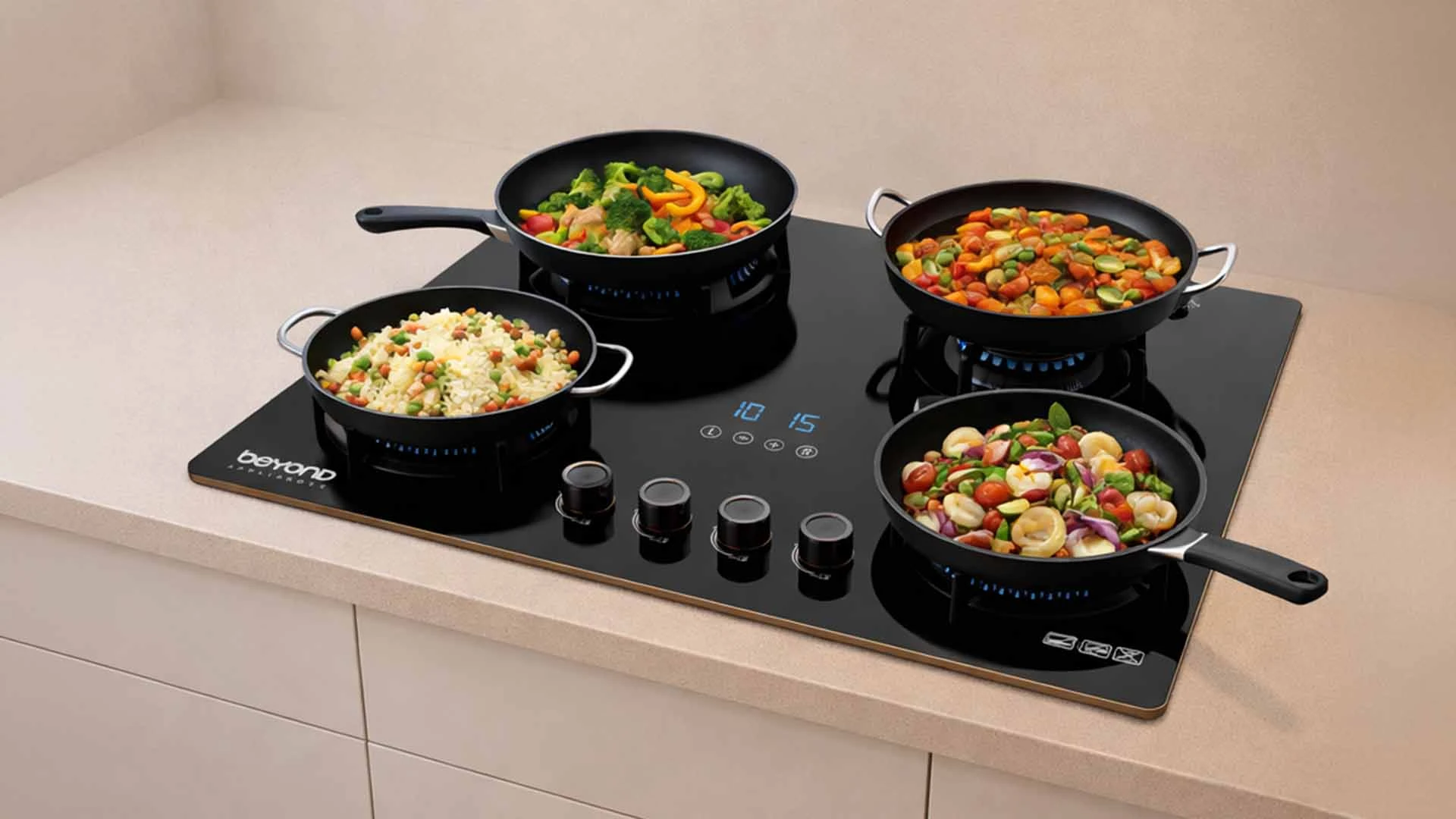
Quality kitchen equipment accelerates cooking processes significantly. A powerful chimney ensures proper ventilation during high-heat cooking, allowing you to use maximum burner settings without smoke concerns. Modern hobtops with precise temperature control enable faster, more consistent cooking results.
Proper pan selection matters tremendously. Heavy-bottomed pans distribute heat evenly, preventing hot spots that cause uneven cooking. Non-stick surfaces reduce cooking oil requirements and simplify cleanup, while cast iron retains heat effectively for searing and browning.
Quick meal prep transforms weekly cooking from daily stress into organized efficiency. This approach involves preparing meal components in advance, creating building blocks for multiple dishes throughout the week. The strategy works particularly well for busy professionals and families with varying schedules.
Successful meal prep requires understanding which foods store well and how to maintain quality during storage. This knowledge prevents food waste while ensuring meals remain appetizing days after preparation.
Cook staple ingredients in large quantities during less busy periods. Prepare big batches of rice, quinoa, or pasta that serve as bases for multiple meals. Roast large quantities of vegetables that can be reheated or used cold in salads throughout the week.
Proper storage and portioning extend ingredient life while maintaining quality. Invest in quality storage containers that seal properly and stack efficiently. Label containers with contents and dates to track freshness and prevent waste.
Pre-cook proteins like grilled chicken, baked fish, or seasoned ground meat that can be quickly reheated and combined with fresh ingredients. These protein bases adapt to various cuisines and cooking styles throughout the week.
Chopped vegetables store well when properly prepared and stored. Wash, dry, and chop vegetables like bell peppers, carrots, and celery that maintain crispness for several days. This preparation eliminates daily chopping while ensuring fresh ingredients remain available.
Fast dinner ideas rely on proven formulas that combine speed with satisfaction. These approaches focus on simple ingredient combinations that deliver maximum flavor with minimal effort. The key lies in understanding which cooking methods produce quick results without sacrificing taste or nutrition.
Simple cooking strategies emphasize technique over complexity, proving that impressive meals don't require elaborate preparation or exotic ingredients.
The protein-vegetable-starch combination creates endless meal possibilities within tight timeframes. Choose quick-cooking proteins like fish fillets, chicken strips, or eggs that cook in under 10 minutes. Pair with fast-cooking vegetables like spinach, zucchini, or pre-cut frozen vegetables.
One-pan dinner solutions minimize both cooking time and cleanup. Sheet pan meals combine proteins and vegetables that cook simultaneously at the same temperature. Stir-fries cook complete meals in single pans within minutes, making them ideal for busy weeknight dinners.
Creative repurposing extends meal value while reducing waste. Transform leftover roasted chicken into quick quesadillas, salads, or pasta dishes. Leftover rice becomes fried rice, stuffed peppers, or breakfast bowls with minimal additional ingredients.
Quick leftover makeovers involve adding fresh elements to previously cooked foods. Add fresh herbs, different sauces, or new vegetables to completely change flavor profiles while maintaining the convenience of pre-cooked components.
Pantry-based quick meals save the day when fresh ingredients run low. Pasta with canned tomatoes, garlic, and olive oil creates satisfying meals in minutes. Eggs transform into omelets, scrambles, or fried rice using pantry staples and minimal fresh ingredients.
Minimal prep dinner options focus on ingredients requiring little to no preparation. Pre-cooked rotisserie chicken, bagged salads, and frozen vegetables combine into nutritious meals without extensive cooking or chopping.
Advanced smart cooking hacks elevate kitchen efficiency to professional levels. These techniques require some practice but deliver significant time savings once mastered. Professional chefs rely on these methods to manage multiple dishes simultaneously while maintaining quality standards.
Understanding heat management and kitchen workflow optimization separates efficient home cooks from those who struggle with timing and organization.
Proper heat management accelerates cooking while preventing burning or undercooking. High heat works best for searing proteins and stir-frying vegetables, while medium heat suits most sautéing tasks. Low heat prevents delicate sauces from breaking and allows flavors to develop gradually.
Cooking multiple items simultaneously requires understanding different cooking times and temperatures. Start longer-cooking items first, then add quicker-cooking components at appropriate intervals. This orchestration ensures everything finishes simultaneously without overcooking any elements.
Clean-as-you-go strategies prevent overwhelming cleanup sessions after meals. Wash prep bowls and utensils during passive cooking periods. Keep a designated area for dirty items and clean them systematically throughout the cooking process.
Efficient dishwashing techniques save time and water. Soak stuck-on foods immediately after use, making cleaning easier later. Group similar items together and wash in logical order: glasses first, then plates, followed by cooking utensils and pans.
Safe shortcuts maintain food safety without compromising efficiency. Use meat thermometers to verify doneness quickly rather than guessing cooking times. Thaw frozen ingredients safely in refrigerators or cold water baths rather than at room temperature.
Proper food handling prevents contamination during fast-paced cooking. Use separate cutting boards for raw meats and vegetables. Wash hands frequently and sanitize surfaces between different food preparations to maintain safety standards.
Start by stocking pantry essentials consistently and always prep ingredients before cooking. Use proper mise en place techniques by reading recipes completely and organizing your workspace. Collect and reuse cooking scraps for stocks or compost, and prepare staples in batches during less busy periods. These foundational habits create the framework for efficient cooking routines.
The 5 P's include Planning your meals and prep work in advance, Preparation through mise en place techniques, Presentation for appealing results that enhance the dining experience, Passion for the cooking process that drives continuous improvement, and Pride in your culinary achievements. These principles guide professional kitchens and apply equally to home cooking efficiency.
The four pillars consist of Salt for flavor enhancement and proper seasoning, Fat for texture and taste development, Acid for balance and brightness in dishes, and Heat for proper cooking techniques and temperature control. Mastering these elements ensures consistent, flavorful results regardless of the specific recipe or cooking method used.
Read entire recipes before starting to understand timing and requirements. Maintain a clean, organized workspace with all tools within easy reach. Use appropriate cooking equipment like sharp knives and properly sized pans. Master basic knife skills to increase prep speed, and implement batch cooking strategies for commonly used ingredients.
Essential equipment includes sharp knives for quick prep work, quality pans that heat evenly, and proper ventilation systems like chimneys for high-heat cooking. Food processors speed up repetitive tasks, while good storage containers maintain ingredient freshness. Quality hobtops with precise temperature control enable faster, more consistent cooking results.
Store prepared foods in airtight containers and label them with dates. Cook proteins thoroughly before storage and reheat to proper temperatures. Keep cut vegetables crisp by storing them properly with paper towels to absorb excess moisture. Freeze portions that won't be used within three days to maintain quality and safety.
Efficient cooking transforms daily meal preparation from stressful obligation into manageable routine. The foundation lies in proper preparation: strategic pantry stocking, mise en place techniques, and weekly meal planning. These upfront investments pay dividends through reduced daily cooking stress and improved meal quality.
Time-saving techniques like batch cooking, smart equipment usage, and multi-tasking strategies can reduce cooking time by 30-40% while maintaining nutritional value and taste. The key lies in understanding which methods provide maximum benefit for your specific cooking style and schedule. Remember that efficiency develops through practice—start with one or two techniques and gradually incorporate additional strategies as they become natural habits. With consistent application, these tips for efficient cooking will revolutionize your kitchen experience, creating more time for the activities and people you value most.
