

Essential Cooking Hobs Maintenance Tips Checklist for Every Home
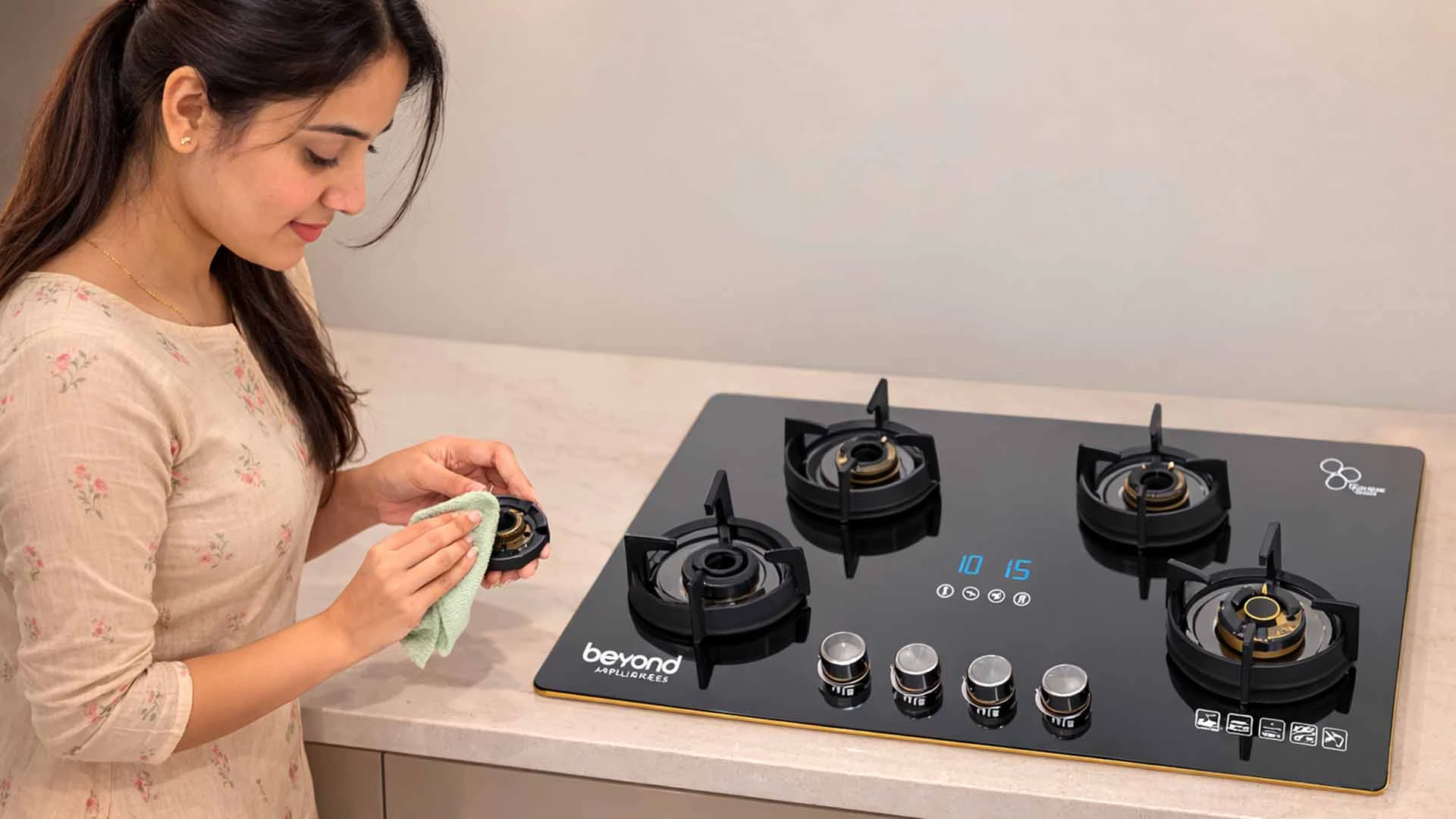
A well-maintained cooking hob is the heart of any efficient kitchen. Whether you own a gas, electric, or induction hob, proper maintenance ensures optimal performance, extends lifespan, and keeps your cooking experience smooth and safe. Regular care prevents costly repairs and maintains the sleek appearance that makes your kitchen shine. This comprehensive guide provides essential cooking hobs maintenance tips to help you protect your investment and enjoy years of reliable cooking.
Each type of cooking hob requires specific care techniques to maintain peak performance. Understanding your hob's unique requirements helps you develop an effective maintenance routine. Different materials and heating methods demand tailored approaches to cleaning and care.
Gas hobs feature removable components that require regular attention. Remove burner caps and grates weekly for thorough cleaning with warm soapy water. Clean gas rings carefully using a soft brush to remove food debris without damaging the gas outlets. Always ensure components are completely dry before reassembling to prevent rust formation.
Electric hobs need gentle care around heating elements and electrical connections. Clean coil elements when completely cool using a damp cloth, avoiding excessive moisture near electrical components. Wipe the surrounding surface with appropriate cooktop cleaner products designed for electric surfaces.
Cleaning glass cooktop surfaces requires special attention to prevent scratches and maintain the smooth finish. Use specialized glass cleaners and microfiber cloths for best results. Avoid dragging cookware across the surface and clean spills immediately to prevent permanent staining.
Developing consistent daily maintenance habits prevents buildup and reduces the need for intensive cleaning sessions. Simple routines performed after each cooking session maintain your hob's appearance and functionality. These practices form the foundation of effective smart cooking maintenance.
Clean spills while the hob surface is still warm but safe to touch. This prevents food from hardening and becoming difficult to remove later. Use appropriate cleaning solutions based on your hob type and always follow manufacturer safety guidelines for temperature limits.
Wipe down surfaces after each use with a damp microfiber cloth. Pay attention to control knobs and surrounding areas where grease commonly accumulates. Regular attention to these details prevents buildup that requires aggressive cleaning methods.
Weekly deep cleaning maintains your hob's performance and appearance beyond daily maintenance. This thorough approach addresses areas that daily cleaning might miss. Proper deep cleaning techniques vary by hob type but share common principles of safety and effectiveness.
Gather microfiber cloths, non-abrasive sponges, and appropriate cleaning solutions before starting. Natural options include white vinegar, baking soda, and lemon juice for eco-friendly cleaning. Avoid steel wool, harsh chemicals, and abrasive materials that can damage surfaces permanently.
Remove all removable components and soak them in warm soapy water. Clean the main surface according to manufacturer instructions, paying special attention to areas around burners or heating elements. Dry all components thoroughly before reassembling to prevent water damage or rust formation.
Understanding what not to do is equally important as knowing proper cleaning techniques. Common mistakes can cause permanent damage or void warranties. Avoiding these errors protects your investment and maintains optimal performance.
Never use abrasive scourers on glass or enamel surfaces as they create permanent scratches. Avoid harsh oven cleaners that can strip protective coatings from hob surfaces. Always allow surfaces to cool completely before cleaning to prevent thermal shock damage.
Induction hob care requires avoiding magnetic cleaners that can interfere with the cooking surface. For gas hob cleaning tips, never submerge electrical ignition components in water. Electric hob maintenance should never involve getting moisture into heating element connections.
Early identification of potential problems prevents minor issues from becoming major repairs. Regular maintenance includes monitoring performance and addressing concerns promptly. Understanding when to attempt fixes yourself versus calling professionals protects both safety and equipment.
Watch for uneven heating patterns, unusual sounds during operation, or delayed ignition on gas models. These symptoms often indicate maintenance needs rather than serious malfunctions. Document any changes in performance to help identify patterns or recurring issues.
Contact qualified technicians for gas leaks, electrical faults, or persistent ignition problems. Never attempt repairs involving gas connections or electrical wiring without proper training. Professional hob repair ensures safety and maintains warranty coverage.
Organized maintenance schedules ensure consistent care without overwhelming daily routines. Creating checklists helps track completed tasks and identifies when deeper maintenance is needed. Systematic approaches to cooktop maintenance prevent neglect of important areas.
Complete these tasks after each cooking session:
Wipe down all surfaces with appropriate cleaner
Clean control knobs and surrounding areas
Check for spills or debris around burners
Ensure all controls are in off position
Verify proper ventilation around the hob
Schedule these comprehensive maintenance activities:
Remove and deep clean all removable components
Inspect gas connections for signs of wear
Test all burners and heating elements
Clean underneath and around the hob unit
Check and clean ventilation areas
Review manufacturer maintenance recommendations
Seasonal maintenance addresses issues that develop over extended periods of use. These comprehensive checks ensure continued safety and performance throughout the year. Long-term care strategies protect your investment and maintain optimal cooking conditions.
Perform thorough inspections every three months to identify wear patterns or developing issues. Check all connections, clean internal components accessible to homeowners, and verify proper operation of safety features. Document any changes in performance for future reference.
Schedule annual professional inspections for gas hobs to ensure safety compliance. Electric and induction models benefit from periodic professional cleaning of internal components. Professional servicing often identifies potential issues before they become costly problems.
Well-maintained hobs operate more efficiently, reducing energy consumption and cooking times. Clean surfaces transfer heat more effectively, while properly functioning components maintain optimal performance. Regular maintenance contributes to both environmental responsibility and cost savings.
Clean burner surfaces and heating elements transfer heat more efficiently to cookware. Remove any buildup that creates barriers between heat sources and cooking vessels. Proper maintenance ensures maximum energy transfer and reduced cooking times.
Clean control mechanisms respond more accurately to temperature adjustments. Regular cleaning of knobs and electronic controls maintains precise heat control. Accurate temperature control reduces energy waste and improves cooking results.
Deep clean your hob weekly for regular use, or after every few cooking sessions for occasional use. Daily maintenance prevents buildup that requires intensive cleaning. Adjust frequency based on cooking habits and spill frequency.
Use manufacturer-recommended cleaners for best results. Glass cooktops benefit from specialized glass cleaners, while gas hobs work well with mild dish soap solutions. Avoid harsh chemicals that can damage surfaces or leave residues.
Natural solutions like vinegar and baking soda work effectively for routine cleaning but may not address mechanical issues. Use natural cleaners for surface maintenance while addressing performance problems through proper mechanical maintenance or professional service.
Use smooth-bottomed cookware and avoid dragging pans across the surface. Clean spills immediately to prevent abrasive particles from scratching the glass. Lift cookware rather than sliding it during cooking and cleaning.
Contact professionals for gas odors, electrical sparking, persistent ignition problems, or uneven heating that cleaning doesn't resolve. Never ignore safety warning signs or attempt repairs involving gas or electrical connections without proper training.
Consistent daily cleaning, weekly deep maintenance, and prompt attention to issues significantly extend hob lifespan. Follow manufacturer guidelines, use appropriate cleaning products, and schedule professional servicing when recommended.
Effective cooking hobs maintenance combines daily care habits with regular deep cleaning and professional attention when needed. Understanding your specific hob type ensures appropriate care techniques that protect your investment. Consistent maintenance prevents costly repairs, maintains energy efficiency, and ensures safe operation for years to come. Remember that proper maintenance is an investment in your kitchen's functionality and your family's safety.
