

7 Key Differences: PNG vs LPG Cooking Performance
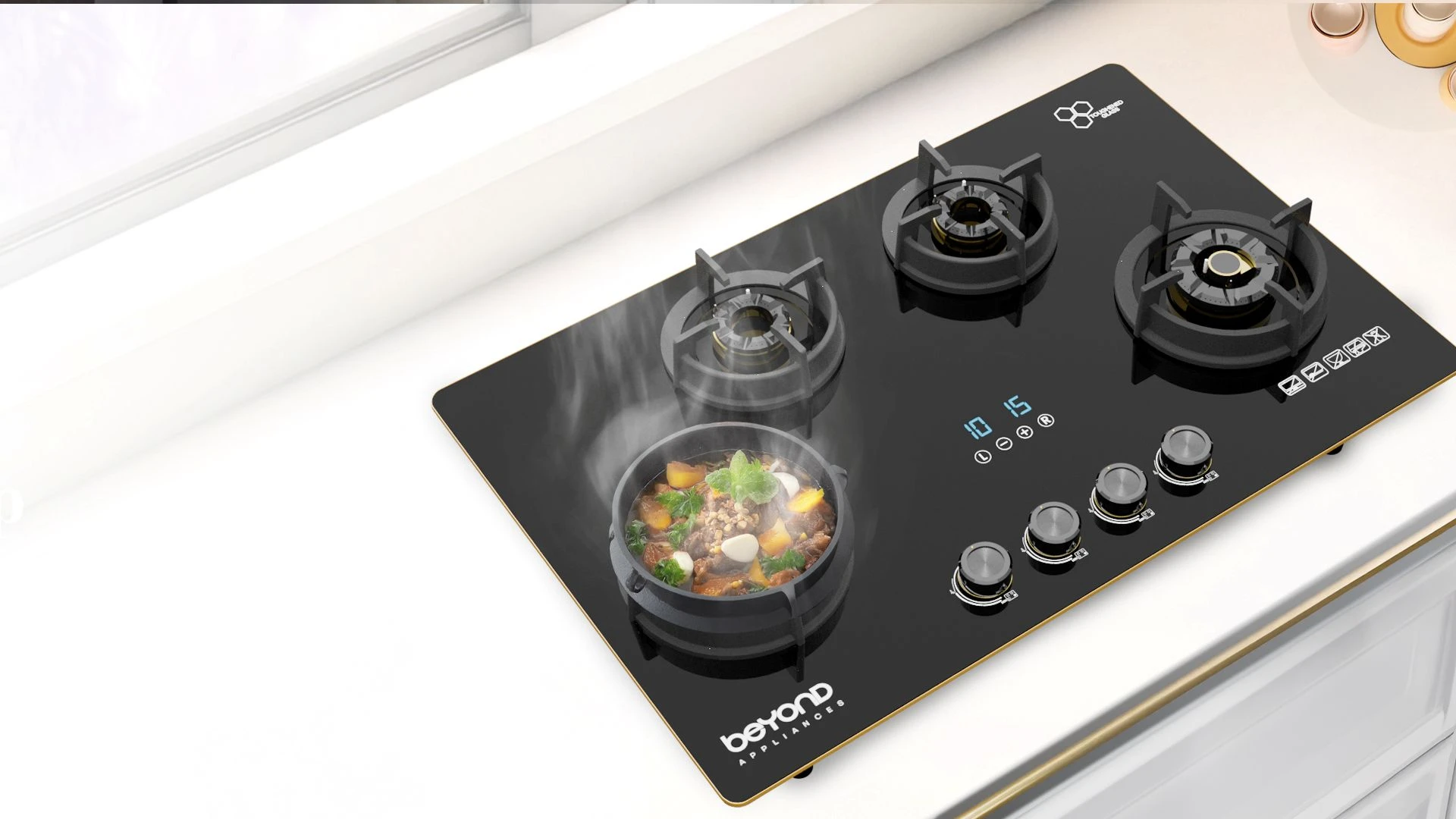
Choosing the right cooking fuel can transform your kitchen experience. Both PNG (Piped Natural Gas) and LPG (Liquefied Petroleum Gas) offer unique advantages for home cooking. Understanding their performance differences helps you make an informed decision that suits your cooking style, budget, and lifestyle needs. This comprehensive cooking gas comparison explores seven key areas where these fuels differ significantly.
PNG delivers natural gas directly to your kitchen through underground pipelines. This methane-rich fuel connects to your gas stove through a dedicated meter and supply line. LPG comes in portable cylinders containing propane and butane under pressure. Each fuel type has distinct characteristics that affect cooking performance. The composition differences create varying heat outputs and flame behaviors. PNG typically contains 85-95% methane with consistent quality standards. LPG blends propane and butane in ratios that vary by region and supplier. These compositional differences directly impact how each fuel performs during cooking tasks.
PNG characteristics: Continuous supply, lower calorific value, consistent pressure, pipeline delivery. LPG characteristics: Higher heat output, portable cylinders, variable pressure, manual replacement required.
The most significant difference between PNG and LPG lies in their heat generation capacity. This affects cooking times, temperature control, and overall kitchen efficiency. Understanding these performance variations helps optimize your cooking experience.
LPG delivers approximately 46 MJ per kilogram, making it a high-energy cooking fuel. This translates to faster boiling times and quicker cooking for most dishes. Professional chefs often prefer LPG for its intense heat output and precise flame control. The higher calorific value means you need less fuel volume to achieve the same cooking results. This efficiency becomes particularly noticeable during high-heat cooking methods like stir-frying or searing.
PNG provides steady heat output at approximately 38 MJ per cubic meter. While lower than LPG, this consistent delivery creates even cooking temperatures. The stable pressure ensures uniform flame characteristics throughout your cooking session. This consistency proves beneficial for slow cooking, simmering, and delicate preparations requiring steady heat. Many home cooks appreciate the predictable performance PNG offers.
Cost considerations extend beyond monthly fuel bills. Initial setup expenses, ongoing maintenance, and regional pricing variations all impact your total cooking fuel investment. Smart cooking fuels selection requires evaluating both short-term and long-term financial implications. PNG typically requires a connection fee ranging from INR 2,000 to INR 5,000, depending on your location and gas company. Monthly bills vary based on consumption but generally cost INR 300 to INR 800 for average households. LPG involves cylinder deposits of INR 1,500 to INR 2,000 per cylinder. Monthly refill costs range from INR 800 to INR 1,200, depending on cylinder size and local pricing. Many families maintain two cylinders to ensure uninterrupted cooking.
Urban areas often offer competitive PNG rates due to infrastructure availability. Rural regions may find LPG more accessible despite higher per-unit costs. Government subsidies can significantly affect LPG pricing for eligible households.
Safety remains paramount when choosing cooking fuels. Both PNG and LPG incorporate multiple safety mechanisms, but their approaches differ significantly. Understanding these safety features helps ensure secure cooking environments for your family.
LPG cylinders include built-in safety valves and pressure relief mechanisms. You can quickly disconnect cylinders during emergencies or when not in use. Modern regulators feature automatic shut-off capabilities when pressure drops or leaks occur. Proper storage protocols ensure safe LPG handling. Cylinders should remain upright, away from heat sources, and in well-ventilated areas. Regular inspection of rubber tubes and connections prevents potential hazards.
PNG systems incorporate automatic leak detection and pressure regulation. Many installations include emergency shut-off valves accessible from outside your home. The absence of storage requirements eliminates cylinder-related safety concerns. Professional installation ensures proper ventilation and safety compliance. Regular maintenance by certified technicians keeps PNG systems operating safely and efficiently.
Environmental considerations increasingly influence fuel choices. Both PNG and LPG burn cleaner than traditional cooking fuels, but their environmental impacts differ in several key areas. PNG produces lower carbon emissions per unit of energy compared to LPG. The pipeline delivery system reduces transportation-related emissions. Complete combustion creates minimal indoor air pollution when used with proper ventilation. LPG generates slightly higher carbon emissions but remains significantly cleaner than coal or wood. The cylinder transportation system does create additional carbon footprint considerations. However, efficient combustion characteristics make LPG an environmentally responsible choice.
Both fuels burn cleanly when properly adjusted. PNG's consistent composition ensures predictable combustion characteristics. LPG's higher heat output may require better ventilation in smaller kitchens.
Daily cooking convenience varies significantly between PNG and LPG systems. Your lifestyle, cooking habits, and location influence which fuel type offers better convenience for your household needs.
PNG provides continuous fuel availability without manual intervention. No cylinder replacement schedules or emergency refill runs interrupt your cooking plans. Weather conditions rarely affect PNG supply reliability. Billing convenience through monthly statements simplifies budget planning. Automatic meter readings eliminate manual monitoring requirements. Most PNG suppliers offer online payment options for added convenience.
LPG cylinders offer complete portability for outdoor cooking or temporary relocations. You control fuel inventory and can stock multiple cylinders during peak usage periods. Emergency backup options ensure cooking capability during utility disruptions. No dependency on utility infrastructure makes LPG suitable for remote locations. Flexible usage patterns accommodate varying cooking schedules without fixed monthly charges.
Installation complexity and ongoing maintenance needs differ substantially between PNG and LPG systems. Understanding these requirements helps plan your kitchen setup and budget for long-term maintenance costs. PNG installation requires professional pipeline connection and meter installation. Initial setup takes 2-4 weeks depending on infrastructure availability. Annual maintenance includes pressure testing and leak detection by certified technicians. LPG setup involves regulator installation and safety tube connections. Most installations complete within hours. Regular maintenance includes tube replacement every 2-3 years and regulator servicing as needed.
PNG systems mandate annual safety inspections by licensed professionals. Emergency service availability varies by provider and location. Repair responsibilities typically fall under utility company coverage. LPG maintenance remains largely user-managed with periodic professional inspections recommended. Cylinder exchange services provide convenient refill options. Emergency repairs often require immediate professional attention.
PNG typically costs less per unit of energy, making it more economical for high-usage households. LPG may prove more cost-effective for light cooking needs due to no fixed monthly charges.
LPG generally cooks faster due to higher heat output. PNG provides more consistent cooking times but may require slightly longer for high-heat applications.
Switching requires different regulators and safety equipment. Most modern gas stoves accommodate both fuel types with appropriate regulator changes.
Professional kitchens often prefer LPG for its higher heat output and precise control. PNG suits commercial operations requiring consistent, continuous supply.
PNG eliminates storage risks but requires professional installation. LPG offers portable safety control but needs proper storage and handling protocols.
PNG supply remains largely weather-independent. LPG performance may vary slightly in extreme temperatures but generally maintains consistent operation.
Choosing between PNG and LPG depends on your specific cooking needs, location, and preferences. LPG offers higher heat output and flexibility, while PNG provides convenience and consistent supply. Consider your cooking patterns, budget constraints, and safety priorities when making this important kitchen decision. Both fuels support modern cooking appliances and deliver reliable performance for today's home kitchens.
