

What is TDS in Water Purifiers and Why It Matters
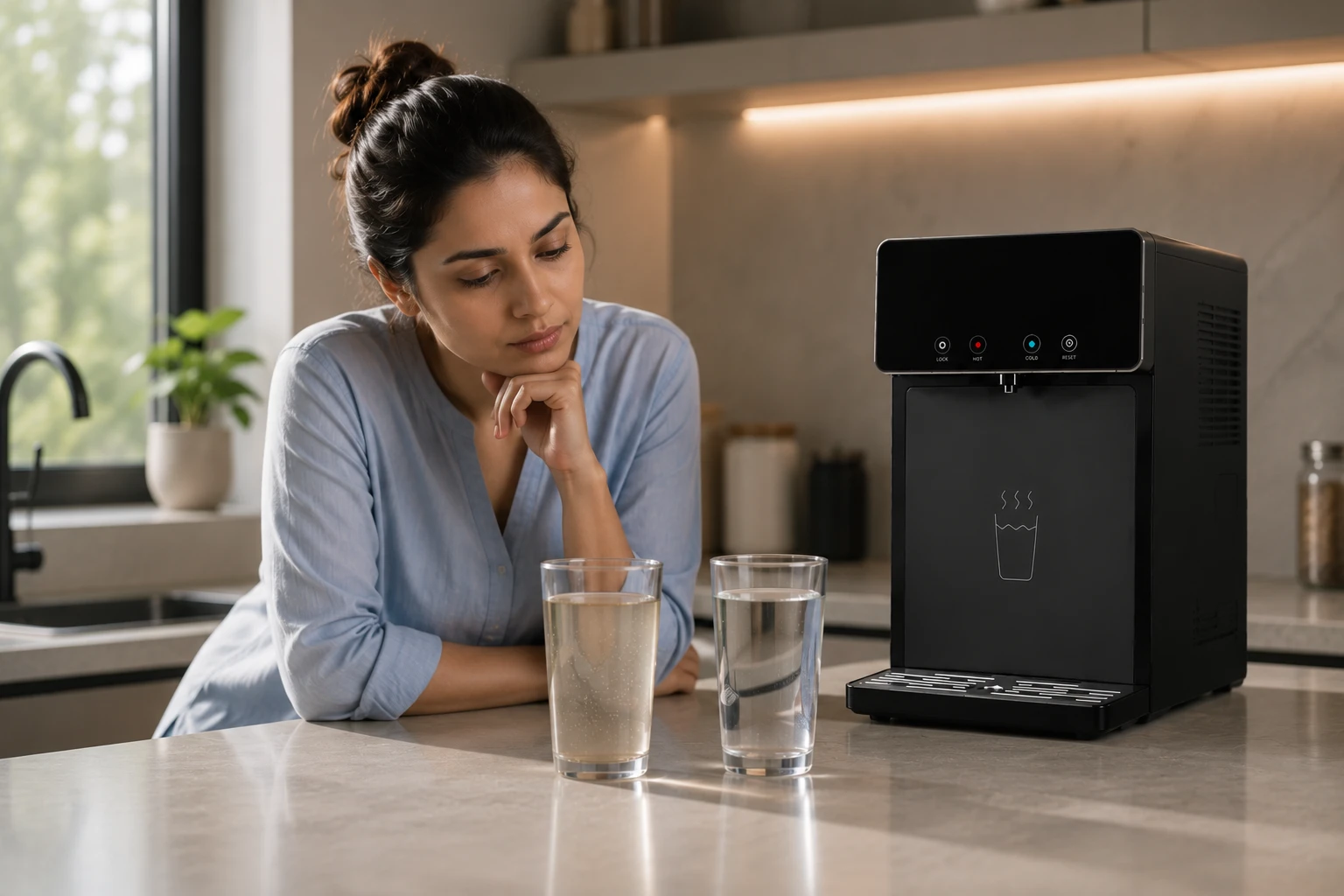
Water quality concerns have become increasingly important for Indian households, especially with rising pollution levels and contamination in municipal water supplies. Total Dissolved Solids (TDS) is a critical parameter that determines whether your drinking water is safe and healthy. Understanding TDS in water purifier systems can help you make informed decisions about your family's health and choose the right filtration technology. Whether you're considering an RO water purifier or wondering about optimal TDS levels, this comprehensive guide will clarify everything you need to know about TDS and its impact on water quality.
Total Dissolved Solids (TDS) represents the concentration of dissolved substances in water, measured in parts per million (ppm) or milligrams per liter (mg/L). These dissolved substances include minerals like calcium, magnesium, sodium, potassium, and various salts that naturally occur in water sources or get added through contamination.
Not all dissolved solids are harmful to your health. Essential minerals like calcium and magnesium contribute to water's taste and provide nutritional benefits. However, excessive levels of any substance, including beneficial minerals, can make water unpalatable or potentially harmful.
High TDS levels above 500 ppm can indicate contamination from industrial waste, agricultural runoff, or deteriorating plumbing systems. Water with extremely low TDS (below 50 ppm) may lack essential minerals and taste flat, while moderately mineralized water (150-300 ppm) is generally considered ideal for consumption.
The Bureau of Indian Standards (BIS) and World Health Organization (WHO) have established guidelines for acceptable TDS levels in drinking water. According to BIS standards, TDS levels up to 500 ppm are acceptable, while WHO recommends levels below 300 ppm for optimal taste and health benefits.
Indian standards allow higher TDS levels considering the mineral-rich groundwater sources common across the country. However, water with TDS levels between 300-500 ppm may have a slightly salty or bitter taste, though it remains safe for consumption.
Different regions across India show varying TDS levels due to geological factors. Northern states like Punjab and Haryana often have groundwater with TDS levels exceeding 1000 ppm, while coastal areas may have elevated sodium levels due to seawater intrusion.
Reverse Osmosis (RO) technology uses a semi-permeable membrane to remove dissolved solids from water. The RO membrane has extremely small pores that allow only water molecules to pass through while blocking larger dissolved particles, reducing RO water purifier TDS levels by 90-95%.
The RO process forces water through a membrane under pressure, effectively separating pure water from dissolved contaminants. This process can reduce TDS from 1000+ ppm to as low as 10-50 ppm, depending on the membrane quality and system efficiency.
Many modern RO purifiers include TDS controllers that blend a small amount of input water with purified water to maintain essential minerals. This feature ensures the output water has TDS levels between 120-150 ppm, providing optimal taste and mineral content.
The ideal TDS range for drinking water falls between 150-300 ppm, providing essential minerals while ensuring good taste and safety. Water in this range typically contains beneficial minerals like calcium and magnesium without excessive sodium or harmful contaminants.
Water with TDS below 50 ppm lacks essential minerals and may taste flat or acidic. Long-term consumption of demineralized water might lead to mineral deficiencies, though this remains a topic of ongoing research and debate among health experts.
High TDS water often tastes salty, bitter, or metallic and may leave white deposits on utensils and appliances. Low TDS water typically tastes flat and may feel "soft" or slippery, lacking the crisp taste associated with properly mineralized water.
Testing TDS levels in your water is straightforward using a digital TDS meter, available for INR 200-500 from electronics stores or online retailers. These handheld devices provide instant readings by measuring the electrical conductivity of water, which correlates directly with dissolved solid concentration.
For accurate readings, ensure the TDS meter is calibrated and the water sample is at room temperature. Take multiple readings from different taps and at various times to get a comprehensive understanding of your water quality throughout the day.
While TDS meters provide quick dissolved solids measurements, comprehensive water testing from certified laboratories can identify specific contaminants, bacteria, and heavy metals. Professional testing costs between INR 1500-3000 but provides detailed analysis beyond just TDS levels.
Industrial pollution, agricultural runoff, and natural geological formations contribute to elevated TDS levels in Indian water sources. Mining activities, textile industries, and chemical plants often discharge dissolved solids into groundwater and surface water sources.
Excessive use of fertilizers and pesticides in agriculture leads to nitrate and phosphate contamination in groundwater. These dissolved chemicals significantly increase TDS levels and may pose health risks if consumed over extended periods.
Aging water distribution systems, improper sewage treatment, and industrial waste disposal in urban areas contribute to elevated TDS levels. Corroded pipes can add metallic ions to water, while inadequate treatment facilities may not effectively remove dissolved contaminants.
Various water purification technologies handle TDS differently, with RO being most effective for high TDS reduction, while UV and UF systems don't significantly alter dissolved solid levels. Understanding these differences helps in selecting appropriate purification technology based on your water's TDS levels.
UV purifiers kill bacteria and viruses but don't remove dissolved solids, making them unsuitable as standalone solutions for high TDS water. UF systems remove larger particles and some bacteria but allow dissolved salts to pass through, maintaining original TDS levels.
Activated carbon filters primarily remove chlorine, organic compounds, and improve taste and odor but have minimal impact on TDS levels. These filters work best in combination with other technologies for comprehensive water treatment.
RO systems typically cost between INR 8,000-25,000, with higher-end models featuring TDS controllers and multiple filtration stages. Operating costs include electricity consumption (25-60 watts), filter replacements every 6-12 months (INR 2,000-4,000 annually), and water wastage considerations.
High TDS input water requires more frequent membrane replacements and higher maintenance costs. RO membranes processing water with TDS above 1000 ppm may need replacement every 6-8 months instead of the standard 12-18 months, increasing annual maintenance costs by 30-50%.
RO systems working with higher TDS water consume more electricity due to increased pressure requirements. Systems processing 500+ ppm TDS water may consume 20-30% more energy compared to those handling lower TDS inputs.
The ideal TDS level for drinking water ranges between 150-300 ppm, providing essential minerals while ensuring good taste and safety. Water in this range contains beneficial minerals like calcium and magnesium without excessive sodium or harmful contaminants.
While water with 0 TDS is safe to drink, it may lack essential minerals and taste flat. Most experts recommend water with TDS levels between 50-150 ppm for optimal health benefits and taste. Consider RO systems with TDS controllers for balanced mineral content.
Check your water's TDS level monthly using a digital TDS meter, especially if you notice changes in taste or if your area experiences seasonal water quality variations. Also test after any maintenance work on your purification system or changes in municipal water supply.
Boiling water does not reduce TDS levels as dissolved solids remain in the water even after heating. Boiling only kills bacteria and viruses but cannot remove dissolved salts, minerals, or chemical contaminants that contribute to TDS.
Water with TDS levels above 300 ppm typically requires RO purification for optimal taste and safety. However, if your water TDS exceeds 500 ppm or contains harmful dissolved contaminants, an RO system becomes essential for safe drinking water.
Yes, high TDS water can damage appliances by causing scale buildup in kettles, coffee makers, and washing machines. The dissolved minerals precipitate when heated, forming deposits that reduce appliance efficiency and lifespan.
Understanding TDS in water purifiers is crucial for making informed decisions about your family's health and choosing the right filtration technology. The ideal TDS range of 150-300 ppm provides essential minerals while ensuring safety and good taste. RO systems effectively reduce high TDS levels but should include TDS controllers to maintain beneficial minerals. Regular testing, proper maintenance, and understanding your local water conditions will help you optimize your water purification system for the best possible drinking water quality.
