
Ultimate Guide: Install Cooktop Ventilation Right
Cart
Your cart is empty
Proper cooktop ventilation transforms your kitchen into a healthier, more comfortable cooking space. Whether you're dealing with smoke from gas burners or steam from boiling water, the right ventilation system protects your family's health while keeping your kitchen fresh. Modern cooktop ventilation systems offer advanced features that go beyond basic smoke removal, including smart controls, energy-efficient operation, and sleek designs that complement contemporary kitchens. Understanding your options helps you choose the perfect system for your cooking style and kitchen layout.
Effective kitchen ventilation systems remove heat, moisture, grease, and cooking odors before they spread throughout your home. These systems work by capturing airborne particles at the source and either filtering them through internal systems or exhausting them outside. The key to successful ventilation lies in proper sizing, positioning, and installation that matches your specific cooking needs. Modern ventilation technology has evolved significantly, offering quieter operation and better energy efficiency than older models. Today's systems can handle everything from light sautéing to high-heat searing while maintaining comfortable noise levels.
All cooktops benefit from proper ventilation, though requirements vary by fuel type. Gas cooktops produce combustion byproducts including carbon monoxide and nitrogen dioxide, making ventilation essential for safety. Electric and induction cooktops generate less harmful emissions but still produce heat and moisture that can damage cabinets and create uncomfortable cooking conditions. Kitchen air quality directly impacts your family's health. Poor ventilation can lead to respiratory irritation, increased humidity levels, and lingering cooking odors that penetrate fabrics and surfaces.
Ventilation systems use powerful fans to create airflow that captures cooking emissions. The system's effectiveness depends on CFM (Cubic Feet per Minute) ratings, which indicate how much air the unit moves. Higher CFM ratings provide stronger suction but may increase noise levels. Modern systems include multiple fan speeds, allowing you to adjust ventilation intensity based on cooking activities. Energy-efficient motors reduce electricity consumption while maintaining strong performance.
Choosing between different range hood alternatives depends on your kitchen layout, cooking habits, and design preferences. Each system type offers unique advantages for specific situations. Understanding these differences helps you select the most effective solution for your space. Installation requirements vary significantly between system types, affecting both upfront costs and long-term performance. Consider your kitchen's existing infrastructure when evaluating options.
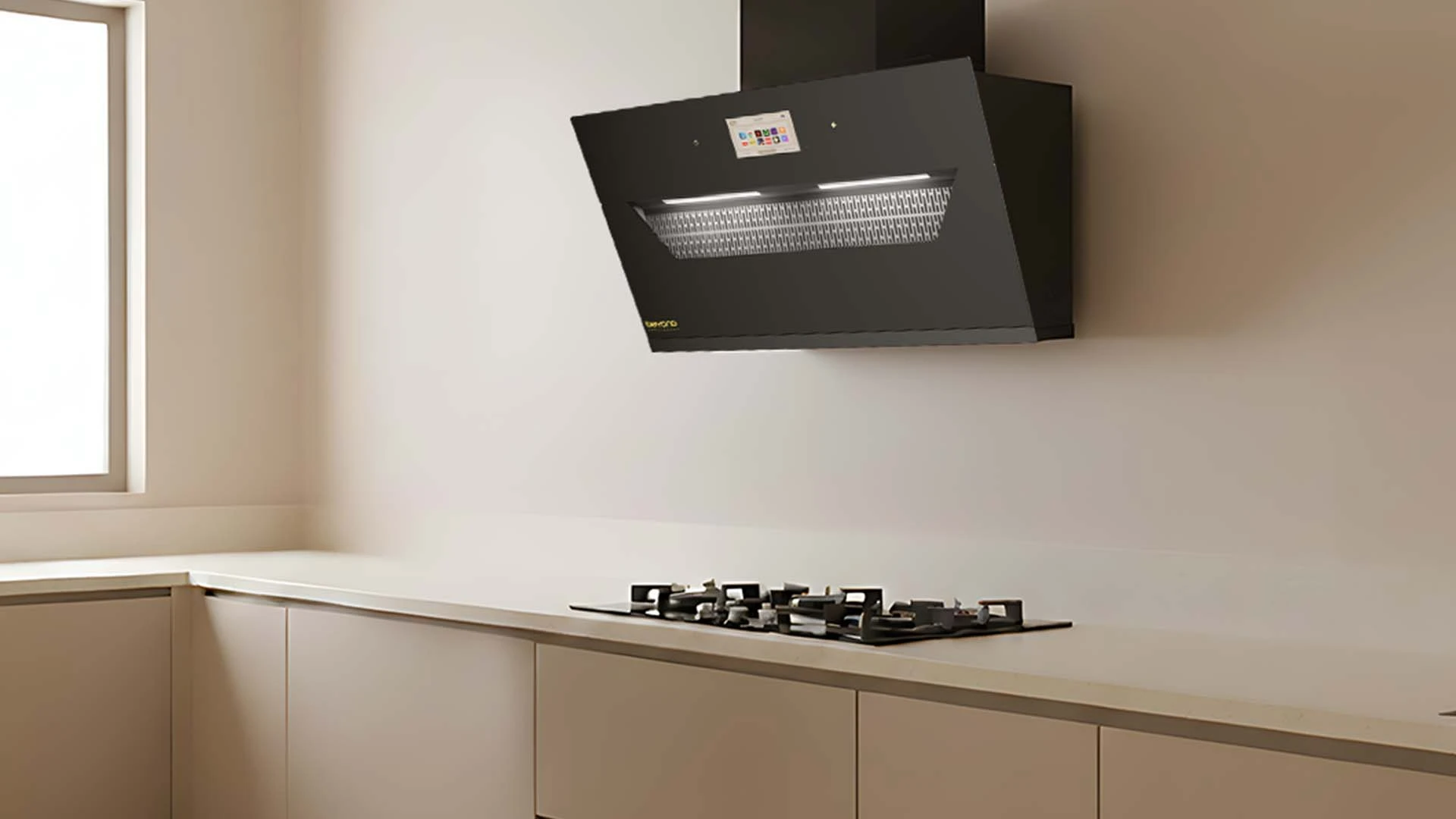
Wall-mounted range hoods offer the strongest ventilation performance for most kitchens. These units mount directly above your cooktop, providing optimal capture efficiency. Under-cabinet models save space while delivering effective ventilation for standard cooking tasks. Island and ceiling-mounted systems work well for open kitchen designs where wall mounting isn't possible. These units require more complex ductwork but create striking visual focal points.
Downdraft ventilation pulls cooking emissions downward through vents built into or beside the cooktop. This system works well for kitchen islands or peninsulas where overhead ventilation isn't practical. However, downdraft systems typically require higher CFM ratings to achieve the same effectiveness as overhead units. Integrated downdraft units built into cooktops offer the cleanest appearance but may limit your cooktop choices. Separate downdraft systems provide more flexibility in cooktop selection.
Some modern cooktops include built-in ventilation systems that eliminate the need for separate range hoods. These space-saving solutions work well in compact kitchens or minimalist designs. However, integrated systems may not provide sufficient ventilation for heavy cooking or large kitchens.
Different cooktop technologies require specific ventilation approaches for optimal performance. Understanding these requirements ensures you select compatible systems that work efficiently together. Proper matching between cooktop and ventilation types maximizes both cooking performance and air quality benefits. Fuel type significantly impacts ventilation needs, with gas cooktops requiring the most robust systems and induction cooktops needing the least intensive ventilation.
Ventilation for gas cooktops requires higher CFM ratings due to combustion byproducts and increased heat output. Gas cooking produces water vapor, carbon dioxide, and trace amounts of carbon monoxide that must be effectively removed. Minimum CFM requirements typically start at 300 CFM for standard gas cooktops, with high-BTU units needing 600 CFM or more. Gas cooktops also generate more grease particles during high-heat cooking, requiring efficient filtration systems to prevent buildup in ductwork.
Ventilation for induction cooktops can be less intensive since these units produce minimal ambient heat and no combustion byproducts. Induction cooking generates steam and food odors but creates less overall air contamination. CFM requirements typically range from 200-400 CFM for most induction installations. Induction cooktops' precise temperature control reduces smoke production, making them ideal for kitchens with limited ventilation options.
Electric cooktops fall between gas and induction in ventilation needs. These units produce significant heat and cooking emissions but no combustion byproducts. Standard electric cooktops typically require 250-500 CFM depending on size and power output.
Selecting the best range hoods involves balancing performance, noise levels, and design aesthetics. Key performance metrics include CFM ratings, noise levels measured in sones, and filter efficiency. Higher-quality systems provide better long-term value through improved durability and lower maintenance costs. Consider your cooking style when evaluating features. Frequent high-heat cooking requires more powerful ventilation, while light cooking may allow for quieter, lower-CFM units.
CFM calculations should account for your kitchen size and cooking intensity. Multiply your kitchen's square footage by 2-4 to determine minimum CFM requirements. Add 100 CFM for each linear foot of cooktop width for optimal performance. Noise levels become important for open kitchen designs where ventilation sounds affect living areas. Look for units rated below 3 sones for quiet operation.
Ductwork requirements significantly impact installation costs and complexity. Ducted systems provide superior performance but require exterior venting. Ductless systems offer easier installation but need regular filter replacement and may not handle heavy cooking as effectively. Proper height positioning ensures optimal capture efficiency. Mount range hoods 24-30 inches above gas cooktops and 20-24 inches above electric or induction units.
Entry-level systems starting around INR 15,000 provide basic ventilation for light cooking. Mid-range units (INR 25,000-50,000) offer better performance and features. Premium systems exceeding INR 75,000 include advanced controls, superior materials, and enhanced warranties. Consider total cost of ownership including energy consumption, filter replacements, and maintenance when comparing options.
Healthy kitchen ventilation requires regular maintenance to sustain peak performance. Clean systems operate more efficiently, last longer, and provide better air quality benefits. Establishing maintenance routines prevents costly repairs and ensures consistent ventilation effectiveness. Proper usage habits maximize your system's effectiveness. Run ventilation before cooking begins and continue operation for 10-15 minutes after cooking ends to clear residual emissions.
Clean grease filters monthly or after every 30 hours of cooking. Baffle filters can go in the dishwasher, while mesh filters need hand washing with degreasing detergent. Replace charcoal filters in ductless systems every 3-6 months depending on usage. Inspect ductwork annually for grease buildup or damage. Professional duct cleaning every 2-3 years maintains optimal airflow and prevents fire hazards.
Increasing cooking odors that linger after meals indicate declining ventilation performance. Visible grease accumulation on nearby surfaces suggests inadequate capture efficiency. Unusual noises or vibrations may signal motor problems requiring professional attention. Rising energy bills could indicate decreased efficiency from dirty filters or aging motors.
Induction cooktops work well with moderate CFM range hoods (200-400 CFM) since they produce less heat and no combustion byproducts. Under-cabinet or wall-mounted units provide excellent results for most induction installations.
Calculate CFM by multiplying kitchen square footage by 2-4, then add 100 CFM per linear foot of cooktop width. Gas cooktops need higher CFM ratings than electric or induction units.
Ductless systems filter and recirculate air without exterior venting. These work well for apartments or homes where ductwork installation is impractical, though they require regular filter replacement.
Ducted range hoods provide the highest efficiency by removing contaminated air completely. Wall-mounted units typically offer the best capture rates due to optimal positioning above the cooking surface.
Clean grease filters monthly and replace charcoal filters every 3-6 months. Professional ductwork cleaning should occur every 2-3 years for optimal performance and safety.
Professional installation typically costs INR 5,000-15,000 depending on complexity. Ductwork installation adds INR 10,000-25,000 for new installations. Simple replacements cost less than complete new installations.
Investing in quality cooktop exhaust systems protects your family's health while enhancing your cooking experience. The right ventilation system removes harmful emissions, controls cooking odors, and prevents moisture damage to your kitchen. Whether you choose traditional range hoods, modern downdraft systems, or integrated solutions, proper installation and maintenance ensure years of reliable performance. Consider your cooking habits, kitchen layout, and budget when selecting from the many excellent options available today.
