

Master Kitchen Ventilation: A Complete Guide
Good kitchen ventilation is more than just removing cooking smells. It protects your family's health, preserves your home's structure, and creates a comfortable cooking environment. Poor ventilation can lead to serious health issues, from respiratory problems to long-term cardiovascular effects. Understanding why kitchen ventilation matters helps you make informed decisions about your home's air quality and your family's wellbeing. Modern cooking produces various pollutants, moisture, and heat that need proper management. Without adequate ventilation, these contaminants accumulate, creating an unhealthy indoor environment that affects everyone in your household.
Kitchen ventilation directly impacts your health in ways many homeowners don't realize. When you cook, especially with gas burners, your kitchen releases harmful pollutants including nitrogen dioxide, carbon monoxide, and fine particulate matter. These cooking fumes health risks are real and measurable. Poor ventilation allows these contaminants to build up in your home's air. Nitrogen dioxide from gas cooking can trigger asthma attacks and respiratory irritation. Carbon monoxide, though typically in small amounts, can cause headaches and fatigue with prolonged exposure. Fine particles from cooking oils and food can penetrate deep into your lungs, potentially causing long-term health issues. Children and elderly family members face the highest risks from poor kitchen air quality. Their developing or compromised respiratory systems are more sensitive to airborne pollutants. People with existing respiratory conditions like asthma or COPD may experience worsened symptoms in poorly ventilated kitchens. Creating a healthy kitchen environment protects these vulnerable family members and improves everyone's quality of life.
Poor kitchen ventilation causes immediate discomfort and health symptoms. You might notice eye irritation, throat scratching, or headaches during or after cooking. These symptoms indicate that harmful pollutants are reaching levels that affect your body's comfort and function.
Chronic exposure to cooking pollutants can contribute to more serious health problems. Studies link poor indoor air quality to increased cardiovascular disease risk and respiratory system damage. Regular exposure to cooking fumes without proper ventilation may worsen existing allergies and create new sensitivities.
Understanding kitchen ventilation benefits helps you appreciate why investing in proper ventilation systems is crucial. These benefits extend beyond health to include home preservation, comfort, and energy efficiency. Proper ventilation systems provide multiple layers of protection for your family and property. Effective ventilation removes airborne pollutants before they can accumulate in your home's air. This includes grease particles, steam, smoke, and chemical vapors from cooking. By removing these contaminants at their source, ventilation systems prevent them from spreading throughout your home and affecting indoor air quality kitchen spaces.
Cooking generates significant heat and moisture that can make your kitchen uncomfortable. Proper ventilation removes this excess heat and humidity, maintaining comfortable cooking conditions. This also prevents condensation problems that can damage cabinets, walls, and ceilings.
Strong cooking odors can linger for hours or even days without proper ventilation. Effective removing cooking odors systems capture these smells at their source, preventing them from spreading throughout your home. This is especially important when cooking foods with strong aromas like fish, garlic, or spices.
Cooking releases grease particles and moisture that can damage your kitchen surfaces over time. Ventilation systems capture these particles before they can settle on cabinets, walls, and appliances. This protection helps maintain your kitchen's appearance and prevents costly damage from grease buildup and moisture exposure.
Proper ventilation improves cooking safety by removing smoke and steam that can obscure your vision. It also reduces the risk of grease fires by removing airborne grease particles. The improved air quality and temperature control make cooking more enjoyable and comfortable for everyone in the kitchen.
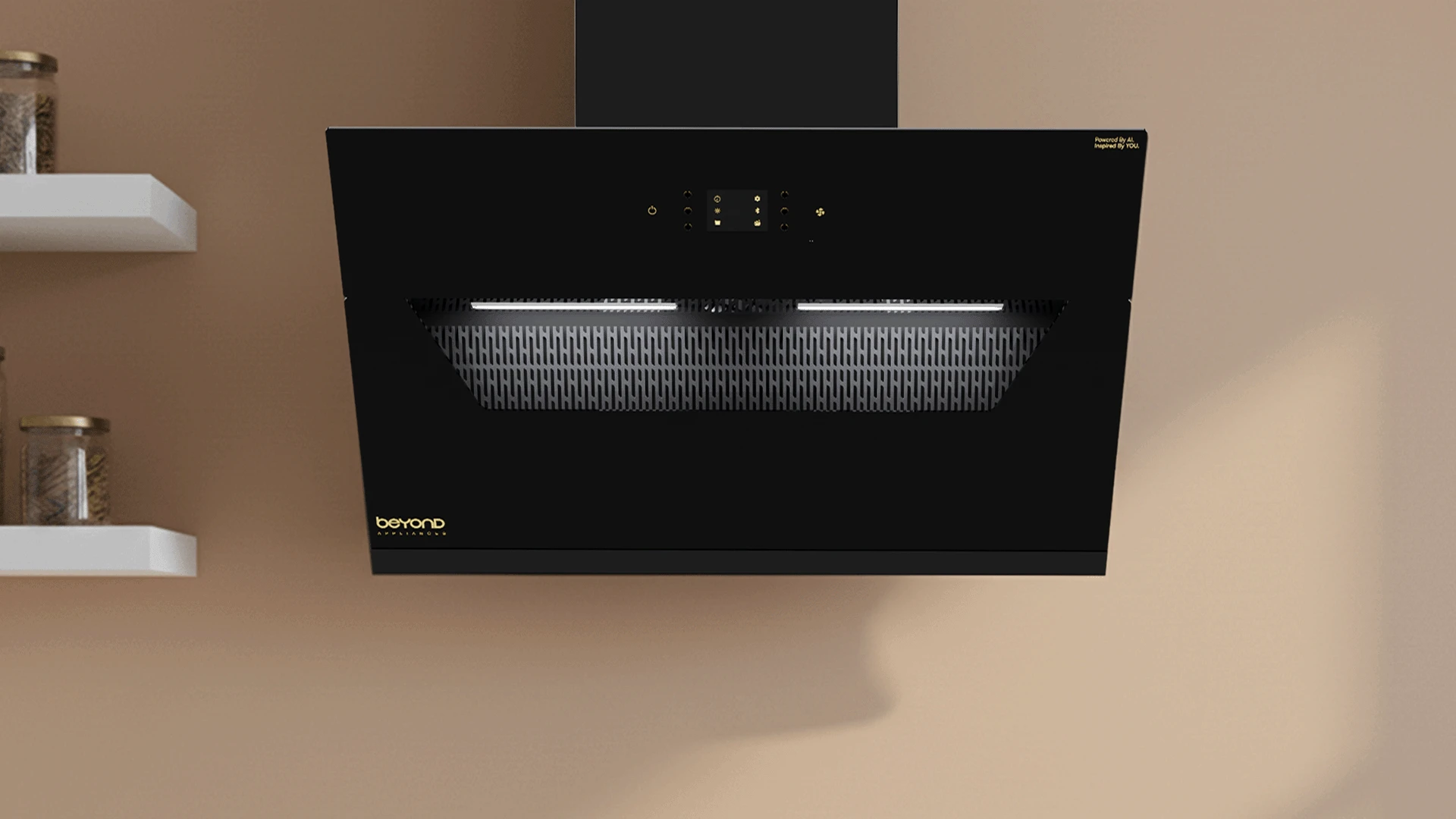
Different ventilation system types offer varying levels of effectiveness and suitability for different kitchen layouts. Understanding these options helps you choose the right system for your specific needs and cooking habits. The importance of range hoods becomes clear when you compare their effectiveness to other ventilation options. Range hoods are the most common and effective kitchen ventilation solution. They capture pollutants directly at the cooking surface, preventing them from spreading into your kitchen air. Under-cabinet range hoods work well for standard cooktop installations, while wall-mounted units provide powerful ventilation for larger cooking areas.
Island range hoods handle the unique challenges of cooktops located away from walls. These systems require more powerful motors to effectively capture pollutants from all sides. Downdraft systems pull air downward through the cooktop, though they're generally less effective than overhead range hoods.
Ceiling and wall-mounted exhaust fans provide general kitchen ventilation but are less effective than range hoods for capturing cooking pollutants. These systems work best as supplementary ventilation or in kitchens where range hoods aren't practical.
Ventilation system effectiveness depends on several key specifications. CFM (cubic feet per minute) ratings indicate how much air the system moves. Higher CFM ratings provide more powerful ventilation but may also create more noise. Capture efficiency measures how well the system captures pollutants at the cooking surface.
Kitchen air purification systems complement traditional ventilation by providing additional filtration and air cleaning capabilities. These systems use multiple technologies to remove different types of pollutants and improve overall air quality. Advanced filtration systems can capture particles that basic ventilation might miss. Multi-stage filtration systems use different filter types to address various pollutants. Grease filters capture large particles and oil droplets from cooking. Charcoal filters absorb odors and chemical vapors. HEPA filters remove fine particles that can penetrate deep into your lungs.
UV-C lights in ventilation systems can neutralize bacteria and viruses in the air stream. Ionizers create charged particles that help remove pollutants from the air. Activated carbon filters excel at absorbing chemical vapors and persistent odors that other filters might miss.
Combining ventilation with air purifiers creates comprehensive air quality management. Portable air purifiers can supplement range hood ventilation in large kitchens or open floor plans. Proper placement ensures maximum effectiveness without interfering with cooking activities.
Kitchen ventilation standards ensure minimum safety and performance levels for residential installations. Building codes typically specify minimum CFM requirements based on cooktop size and BTU output. These standards help prevent the effects of poor ventilation by ensuring adequate air movement and pollutant removal. ASHRAE guidelines provide detailed recommendations for residential ventilation systems. These standards consider factors like kitchen size, cooking habits, and home construction. Following these guidelines helps ensure your ventilation system provides adequate protection for your family's health.
Modern ventilation systems must balance effectiveness with energy efficiency. ENERGY STAR rated systems provide excellent performance while minimizing energy consumption. Heat recovery ventilators can capture heat from exhausted air, reducing heating costs in colder climates.
Proper installation is crucial for ventilation system effectiveness and safety. Many jurisdictions require permits and professional installation for ducted systems. Professional installers ensure proper ductwork sizing, adequate makeup air, and compliance with local building codes.
Recognizing the effects of poor ventilation helps you identify when your current system needs improvement or replacement. Several warning signs indicate that your kitchen ventilation is inadequate for your cooking needs and family's health. Addressing these issues promptly prevents more serious problems and improves your healthy kitchen environment. Persistent cooking odors that linger hours after cooking indicate insufficient ventilation capacity. If you notice grease buildup on surfaces away from the cooktop, your ventilation system isn't capturing airborne particles effectively. Excessive moisture and condensation on windows or walls during cooking shows that humidity removal is inadequate.
Increased allergy symptoms or respiratory irritation during cooking suggests poor air quality management. If family members avoid the kitchen during cooking due to smoke or odors, your ventilation system needs improvement. Difficulty seeing clearly due to lingering smoke or steam indicates dangerous air quality conditions.
Using your existing ventilation system properly can provide immediate improvements. Run range hoods at appropriate speeds for different cooking methods. Start ventilation before cooking begins and continue running it for several minutes after finishing. Open windows when weather permits to supplement mechanical ventilation.
Good kitchen ventilation protects your family's health by removing harmful cooking fumes, controls temperature and humidity, prevents grease damage, and eliminates persistent odors. It creates a safer, more comfortable cooking environment while protecting your home's structure and air quality.
The primary benefits include improved indoor air quality, removal of cooking pollutants, temperature control, humidity management, odor elimination, grease particle capture, and enhanced cooking comfort and safety for your family.
Yes, every kitchen needs proper ventilation to remove harmful gases and particles produced during cooking. This is especially critical for gas cooking, which produces nitrogen dioxide and carbon monoxide, but all cooking methods benefit from adequate ventilation.
Kitchen ventilation removes concentrated pollutants at their source, prevents them from spreading throughout your home, and replaces contaminated air with fresh outdoor air. This dilutes harmful substances and maintains healthier air throughout your living space.
Ventilation system size depends on your cooktop's BTU output, kitchen size, and cooking habits. Generally, you need 100-150 CFM per linear foot of cooktop, with higher requirements for high-BTU gas ranges or frequent high-heat cooking.
Clean grease filters monthly with warm soapy water, replace charcoal filters every 3-6 months, and schedule professional duct cleaning annually. Regular maintenance ensures optimal performance and prevents fire hazards from grease buildup.
Kitchen ventilation is essential for protecting your family's health and maintaining a comfortable cooking environment. Understanding why kitchen ventilation matters helps you make informed decisions about system selection, installation, and maintenance. Proper ventilation removes harmful pollutants, controls temperature and humidity, and prevents damage to your home. Investing in quality ventilation systems and maintaining them properly creates a healthier, more enjoyable kitchen experience for your entire family. Regular assessment of your ventilation needs ensures your system continues providing adequate protection as your cooking habits and family needs evolve.
