

Master Kitchen Airflow: Safe Cooking Ventilation Guide
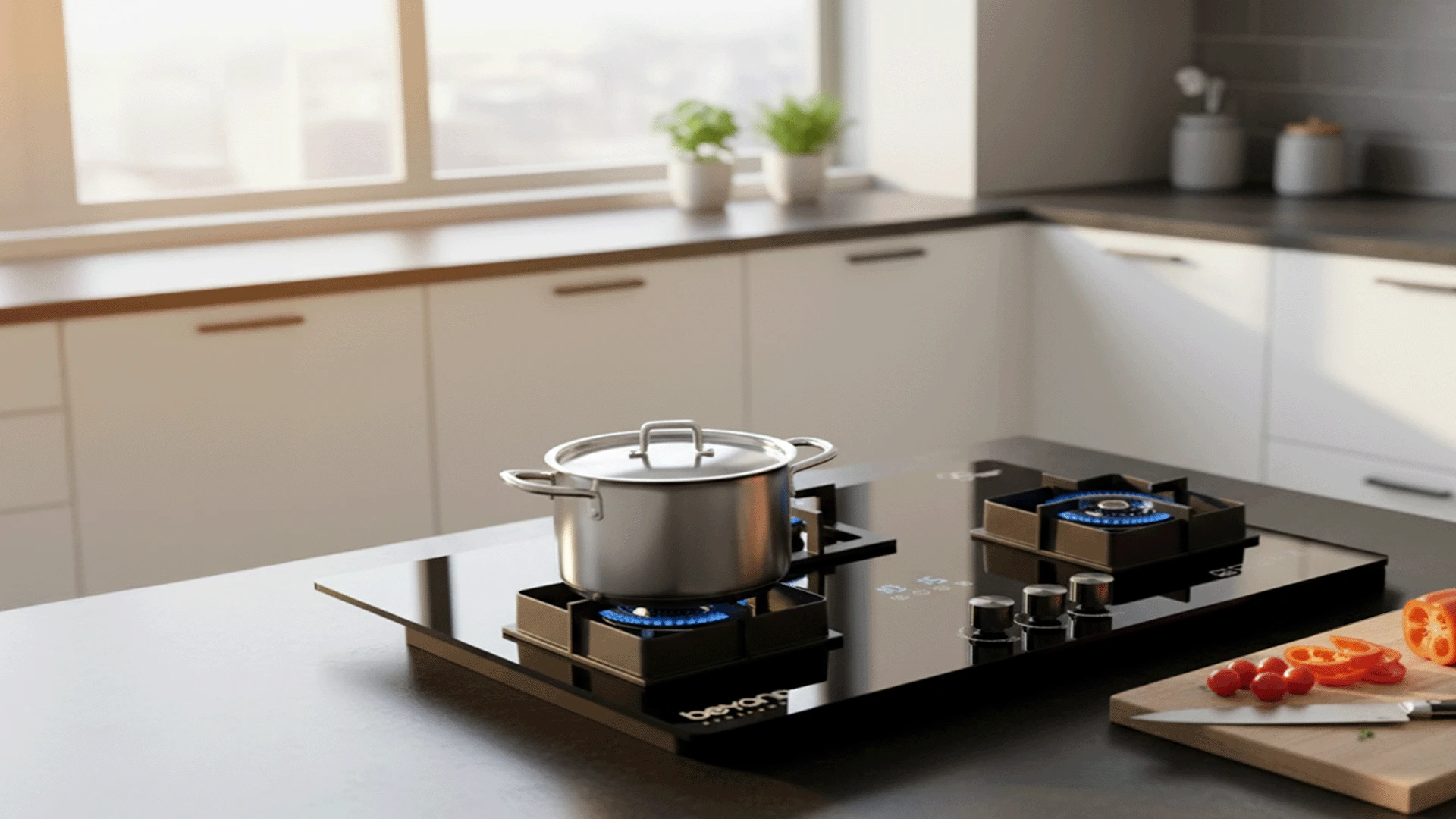
Good kitchen airflow patterns for safe cooking can make the difference between a healthy home and one filled with harmful pollutants. Every time you cook, your kitchen releases smoke, grease particles, and various fumes that need proper removal. Without the right ventilation strategy, these contaminants build up and affect your family's health. Understanding how air moves through your cooking space helps you create a safer, more comfortable environment. This guide covers everything from basic airflow principles to advanced ventilation techniques that protect your home's air quality.
Proper kitchen airflow patterns for safe cooking depend on how air enters, circulates, and exits your cooking space. Air naturally moves from high-pressure areas to low-pressure zones, creating predictable flow patterns that you can use to your advantage.
Kitchen airflow patterns describe how air moves through your cooking area during meal preparation. These patterns determine whether cooking fumes get captured and removed or spread throughout your home. Good patterns pull contaminated air away from breathing zones and replace it with fresh air.
Heat from cooking creates thermal currents that push warm air upward. This natural convection helps carry cooking fumes toward ceiling-mounted exhaust systems. However, cross-currents from windows, doors, or HVAC systems can disrupt these patterns and spread pollutants.
Poor ventilation systems often create dead zones where air stagnates. Inadequate exhaust capacity allows cooking fumes to escape the capture area. Competing air currents from nearby vents or open windows can push contaminants away from exhaust points.
Weak kitchen ventilation leads to accumulated grease, persistent odors, and elevated humidity levels. These conditions promote mold growth and create unhealthy breathing environments. Long-term exposure to cooking pollutants can trigger respiratory issues and allergies.
Effective kitchen ventilation requires the right equipment properly installed and maintained. Different system types offer varying levels of performance and suit different kitchen layouts and cooking styles.
Ducted range hoods remove contaminated air completely from your home through external venting. Ductless systems filter air and recirculate it back into the kitchen. Ducted systems provide superior air quality control for heavy cooking, while ductless options work well for light cooking needs.
Proper exhaust fan placement creates effective capture zones above cooking surfaces. Calculate CFM (cubic feet per minute) requirements based on your kitchen size and cooking intensity. Most kitchens need 100-150 CFM per linear foot of cooking surface for adequate ventilation.
Natural ventilation relies on windows and passive air movement to remove cooking fumes. Mechanical systems use fans and ductwork for controlled air removal. Mechanical systems provide consistent performance regardless of weather conditions or outdoor air quality.
Kitchen ventilation should work harmoniously with your home's overall air circulation system. Coordinate exhaust rates with makeup air sources to prevent negative pressure problems. Balanced ventilation protects indoor air quality throughout your entire home.
Managing cooking fumes requires understanding their sources and implementing targeted removal strategies. Different cooking methods produce varying types and amounts of airborne contaminants that need specific handling approaches.
Cooking generates grease particles, combustion byproducts, and food-related vapors. Gas stoves produce nitrogen dioxide and carbon monoxide. High-heat cooking methods like frying and grilling create more pollutants than gentler techniques.
Position range hoods 24-30 inches above cooking surfaces for optimal capture. Use higher fan speeds during heavy cooking and lower speeds for simmering. Start ventilation before cooking begins and continue running for 15-20 minutes after finishing.
Regular filter cleaning prevents grease accumulation that reduces ventilation efficiency. Replace or clean filters monthly for heavy cooking households. Use appropriate fan speeds to capture odors without creating excessive noise.
Activated carbon filters remove odors and chemical vapors effectively. HEPA filters capture fine particles that standard mesh filters miss. Some advanced systems combine multiple filtration technologies for comprehensive air cleaning.
Smart kitchen design creates natural airflow patterns that support mechanical ventilation systems. Layout decisions made during planning or renovation significantly impact long-term air quality and cooking comfort.
Position cooking surfaces away from high-traffic areas to prevent fume dispersion. Create clear paths for air movement between intake and exhaust points. Avoid placing obstacles that could disrupt airflow patterns near cooking zones.
Strategically placed windows provide makeup air for exhaust systems. However, cross-breezes can interfere with range hood performance. Consider prevailing wind directions when planning window locations relative to cooking areas.
Overhead cabinets can help contain cooking fumes within the capture zone. Kitchen islands require special consideration for ventilation since they lack wall support for traditional range hoods. Island installations often need higher CFM ratings for effective performance.
Balance exhaust capacity with adequate makeup air sources to prevent negative pressure. Insufficient makeup air causes backdrafting and reduces ventilation effectiveness. Consider dedicated makeup air systems for high-capacity exhaust installations.
Effective kitchen ventilation protects against multiple safety hazards beyond just cooking fumes. Proper air circulation prevents dangerous gas accumulation, controls moisture levels, and maintains comfortable cooking conditions.
Good ventilation removes grease-laden air that could fuel kitchen fires. Proper exhaust systems help clear smoke quickly during cooking incidents. Regular cleaning prevents grease buildup in ductwork that poses fire risks.
Adequate ventilation prevents dangerous carbon monoxide accumulation from gas appliances. Ensure sufficient combustion air for gas stoves and ovens. Install carbon monoxide detectors near cooking areas for additional safety monitoring.
Kitchen ventilation removes excess humidity from cooking activities. Controlled moisture levels prevent mold and mildew growth in cabinets and walls. Proper ventilation protects building materials from moisture damage.
Effective air circulation helps maintain comfortable cooking temperatures. Ventilation systems remove excess heat generated by cooking appliances. Good airflow prevents hot spots that make kitchen work uncomfortable.
Multiply your kitchen's square footage by 2 for basic ventilation needs. For cooking areas, use 100-150 CFM per linear foot of cooking surface. Heavy cooking or commercial-style equipment may require higher rates.
Range hoods should extend 3 inches beyond each side of the cooking surface. Mount hoods 24-30 inches above electric cooktops and 30-36 inches above gas ranges for optimal capture efficiency.
Start ventilation before cooking begins and continue for 15-20 minutes after finishing. For homes with poor natural ventilation, consider continuous low-speed operation to maintain air quality.
Use variable speed controls to match ventilation rates with cooking intensity. Install makeup air systems to prevent conditioned air loss. Choose ENERGY STAR certified ventilation equipment for better efficiency.
Persistent cooking odors, visible grease buildup, fogged windows during cooking, and excessive humidity indicate poor ventilation performance. Unusual noises or reduced airflow also signal maintenance needs.
Yes, inadequate kitchen ventilation allows cooking pollutants to spread throughout your home. Poor airflow can also create pressure imbalances that affect HVAC system performance and overall indoor air quality.
Mastering kitchen airflow patterns for safe cooking requires understanding air movement principles and choosing appropriate ventilation equipment. Proper system design, installation, and maintenance create healthier cooking environments that protect your family's well-being. Regular attention to ventilation performance ensures long-term air quality benefits and cooking comfort. Invest in quality ventilation systems and maintain them properly for the best results in your kitchen safety efforts.
