

Master Kitchen Air: Complete Ventilation Tutorial
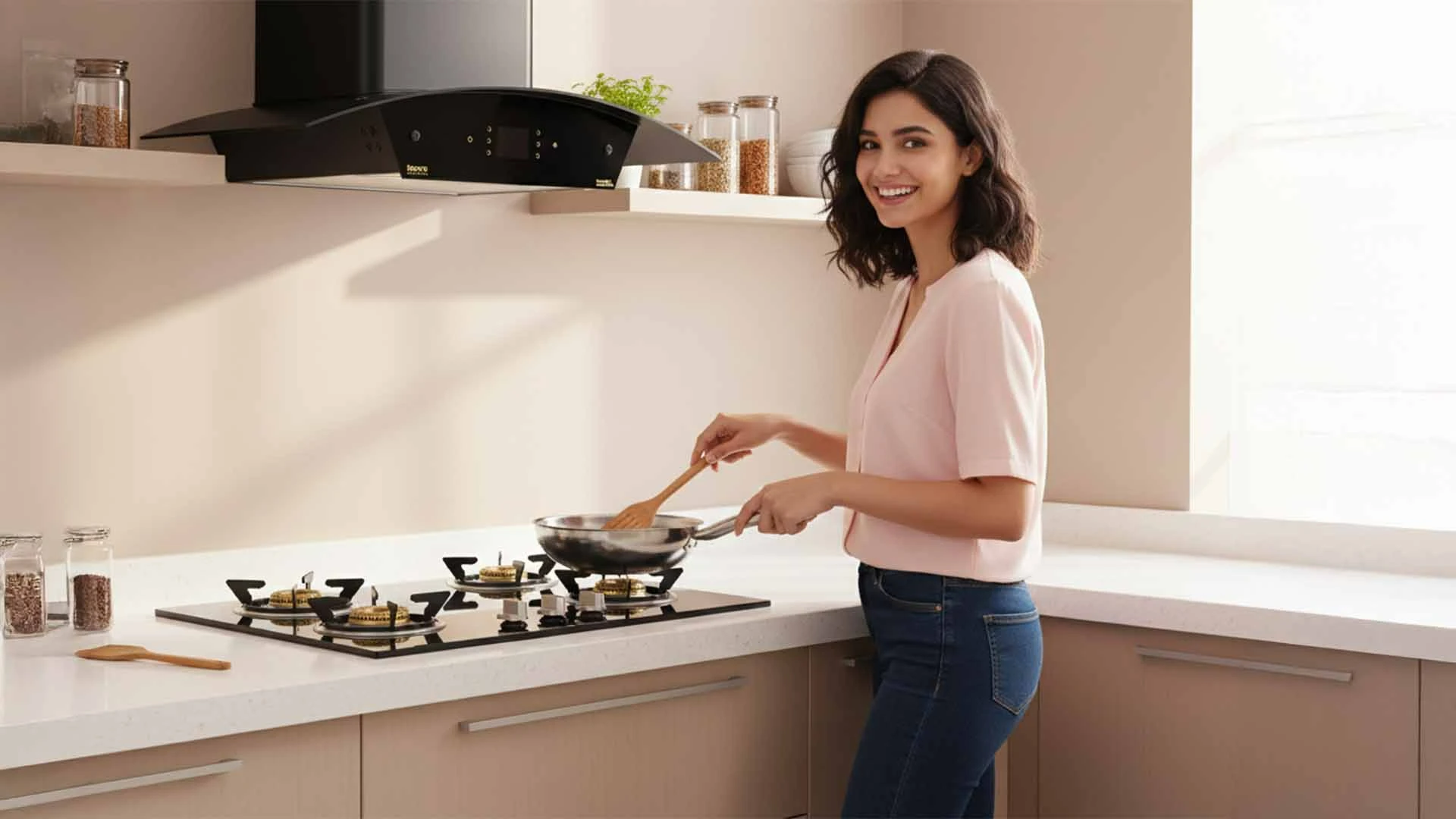
Good kitchen air quality affects your health more than you might think. Every time you cook, your kitchen fills with invisible particles, grease, and fumes that can impact your breathing and comfort. Poor indoor air quality from cooking creates problems that go beyond just unpleasant smells. Understanding how to manage kitchen ventilation properly helps create a healthier cooking environment for you and your family. Many homeowners struggle with cooking fumes and persistent kitchen odors without realizing simple solutions exist. The right combination of ventilation systems, air purification methods, and natural techniques can transform your cooking space into a clean, comfortable environment. These proven strategies work for kitchens of all sizes and layouts.
Poor indoor air quality during cooking creates serious health risks that many people overlook. When you cook, especially with high-heat methods like frying or grilling, your kitchen releases fine particles, nitrogen dioxide, and volatile organic compounds into the air. These pollutants can trigger asthma, cause respiratory irritation, and worsen existing breathing conditions. Cooking fumes contain grease particles that settle on surfaces and create sticky residues throughout your home. These particles carry odors and can harbor bacteria if not properly ventilated. Studies show that kitchens without adequate ventilation have pollutant levels that exceed outdoor air quality standards, even in urban areas. The connection between kitchen ventilation and overall indoor air quality extends beyond the cooking area. Poor ventilation allows cooking pollutants to spread throughout your home, affecting air quality in living rooms, bedrooms, and other spaces. This contamination can persist for hours after cooking ends, creating ongoing exposure to harmful particles.
Effective kitchen ventilation starts with choosing the right range hood system for your cooking habits and kitchen layout. Modern ventilation systems offer various options to handle different cooking styles and space constraints. Understanding these systems helps you make informed decisions about improving your kitchen's air quality. Proper ventilation removes cooking fumes at their source, preventing them from spreading throughout your home. The key lies in selecting systems with adequate power and positioning them correctly for maximum effectiveness.
Choosing the right range hood depends on your cooking frequency, kitchen size, and layout constraints. Under-cabinet models work well for standard kitchens with overhead cabinets, while wall-mounted units offer more power for heavy cooking. Island range hoods provide 360-degree ventilation for open kitchen designs. CFM (cubic feet per minute) ratings determine how much air your range hood can move. Calculate your needs by multiplying your cooktop's BTU output by 0.1, or use 100 CFM per linear foot of cooking surface as a general rule.
Natural ventilation complements mechanical systems by creating airflow patterns that help remove cooking pollutants. Opening windows on opposite sides of your kitchen creates cross-ventilation that pulls fresh air in while pushing contaminated air out. Position intake windows away from cooking areas and exhaust points near or above your stove. This creates a natural flow that carries cooking fumes away from your breathing zone and out of your home.
Supplementary air purification systems enhance your kitchen's ventilation by capturing particles that escape your range hood. These systems work continuously to maintain better indoor air quality even when you're not actively cooking. Combining mechanical ventilation with air purification creates comprehensive protection against cooking pollutants. Modern air purifier kitchen solutions offer targeted filtration designed specifically for cooking environments. These systems handle the unique challenges of kitchen air quality, including grease particles, odors, and high humidity levels.
HEPA filters excel at capturing fine particles from cooking fumes, while activated carbon filters absorb odors and volatile compounds. Look for units specifically designed for kitchen use, as they feature grease-resistant housings and washable pre-filters. Place your air purifier kitchen unit away from direct cooking heat but within the kitchen's air circulation pattern. Corner placement often works well, allowing the unit to process air from multiple directions without interfering with cooking activities.
Whole-home filtration systems integrate with your HVAC system to provide comprehensive air cleaning throughout your house. These systems capture cooking pollutants that escape your kitchen, preventing them from contaminating other living spaces. Kitchen air filter maintenance requires regular attention to maintain effectiveness. Replace HEPA filters every 6-12 months and carbon filters every 3-6 months, depending on cooking frequency and filter quality.
Implementing professional-grade ventilation techniques transforms your kitchen's air quality without requiring expensive equipment upgrades. These tips for better kitchen air focus on timing, technique, and strategic system usage to maximize your existing ventilation's effectiveness. Smart ventilation practices reduce energy costs while maintaining excellent air quality. Understanding when and how to use your systems creates the perfect balance between clean air and efficiency.
Start your range hood before you begin cooking to establish proper airflow patterns. This pre-ventilation removes any existing pollutants and creates the right air movement for capturing new cooking fumes as they develop. Adjust cooking techniques to minimize fume production. Use lids when possible, choose appropriate heat levels, and avoid overheating oils to reduce the amount of pollutants your ventilation system must handle.
Run your ventilation systems for 15-20 minutes after cooking ends to clear residual pollutants from your kitchen air. This extended operation ensures complete removal of particles that continue circulating after cooking stops. Adjust ventilation intensity based on cooking methods. High-heat techniques like stir-frying or searing require maximum ventilation, while gentle cooking methods need moderate airflow to maintain comfort without wasting energy.
Natural air purification methods complement mechanical ventilation systems while reducing reliance on artificial air fresheners. These approaches create a healthy kitchen environment using plants, natural absorbents, and preventive cleaning practices. Combining natural solutions with proper ventilation creates comprehensive odor control that addresses both immediate cooking smells and long-term air quality maintenance. These methods work continuously to maintain fresh, clean air in your cooking space.
Certain plants excel at removing cooking pollutants from kitchen air. Spider plants, pothos, and peace lilies absorb volatile compounds while adding natural beauty to your cooking space. Position plants away from direct cooking heat but within your kitchen's main air circulation areas. Natural odor absorption using baking soda, activated charcoal, or white vinegar provides chemical-free solutions for persistent kitchen odors. Place small bowls of these materials in strategic locations to continuously absorb cooking smells.
Regular cleaning prevents grease and food particle buildup that contributes to poor air quality. Clean range hood filters monthly, wipe down surfaces after cooking, and maintain proper humidity levels to prevent mold growth. Establish cleaning schedules that address both visible and invisible pollutants. Weekly deep cleaning of cooking surfaces, monthly filter maintenance, and seasonal ductwork inspection maintain optimal air quality year-round.
Start with proper range hood usage, add portable air purifiers, and create cross-ventilation using existing windows. Clean existing ventilation systems thoroughly and consider upgrading filters for better performance.
Combine immediate ventilation with natural absorbers like baking soda or activated charcoal. Simmer cinnamon sticks or vanilla extract after cooking to replace cooking odors with pleasant scents.
Activate your range hood before cooking begins and continue running it for 15-20 minutes after cooking ends. For heavy cooking sessions, extend operation time to ensure complete air clearing.
Yes, certain plants effectively remove volatile compounds and improve indoor air quality. Choose heat-tolerant varieties and position them strategically for maximum benefit without interfering with cooking activities.
Start with proper ventilation technique, regular cleaning, and natural solutions. These approaches provide immediate improvements without requiring expensive equipment purchases.
Mastering kitchen air quality requires combining proper ventilation systems with smart usage techniques and natural solutions. Start with your existing range hood system, optimize its usage timing, and supplement with natural air purification methods for comprehensive results. Remember that consistent maintenance and proper technique matter more than expensive equipment. Regular cleaning, strategic ventilation timing, and understanding your kitchen's airflow patterns create lasting improvements in your cooking environment's air quality.
