

Master Kitchen Air: Complete Cooking Ventilation Guide
Cooking fills your home with more than delicious aromas. Every time you fire up the stove, you're releasing invisible pollutants that can seriously impact your family's health. From fine particles that penetrate deep into your lungs to toxic gases that linger for hours, home air quality cooking creates challenges most homeowners never see coming. The good news? With the right knowledge and tools, you can transform your kitchen into a clean-air sanctuary while still enjoying all your favorite meals. Let's explore how to master your kitchen's air quality and protect your family's health.
Cooking generates more indoor air pollution than most people realize. When you heat oils, sear meat, or even toast bread, you're creating tiny particles called PM2.5 that are small enough to bypass your body's natural filters and enter your bloodstream directly. Research shows that indoor air quality cooking activities can increase particle pollution by 300-3000% above normal levels. Gas stoves release nitrogen dioxide, carbon monoxide, and formaldehyde even when properly adjusted. Electric stoves aren't innocent either – high-heat cooking on any surface creates harmful compounds.
Poor cooking and respiratory health connections are well-documented. Regular exposure to cooking fumes increases asthma symptoms, especially in children. Adults face higher risks of cardiovascular disease and lung inflammation.
Today's energy-efficient homes seal in pollutants more effectively than ever. Without proper ventilation, cooking fumes circulate throughout your living spaces, affecting air quality in bedrooms and living areas hours after cooking ends.
Different cooking methods create vastly different pollution levels. Frying produces the most particles, followed by grilling and sautéing. Boiling and steaming generate minimal pollution, making them healthier choices for air quality in kitchen management. Oil temperature plays a crucial role in pollution creation. When oils exceed their smoke point, they break down into toxic compounds. Olive oil starts smoking at 375°F, while avocado oil can handle temperatures up to 520°F without creating harmful fumes.
Gas stoves continuously emit pollutants, even when turned off due to small leaks. They produce nitrogen dioxide levels that often exceed outdoor air quality standards. Electric stoves eliminate combustion pollutants but still create particles from food and oil heating.
Cooking odors serve as early warning signs of air quality problems. If you can smell what you're cooking in other rooms, pollutants are spreading throughout your home. Strong, lingering odors indicate inadequate ventilation.
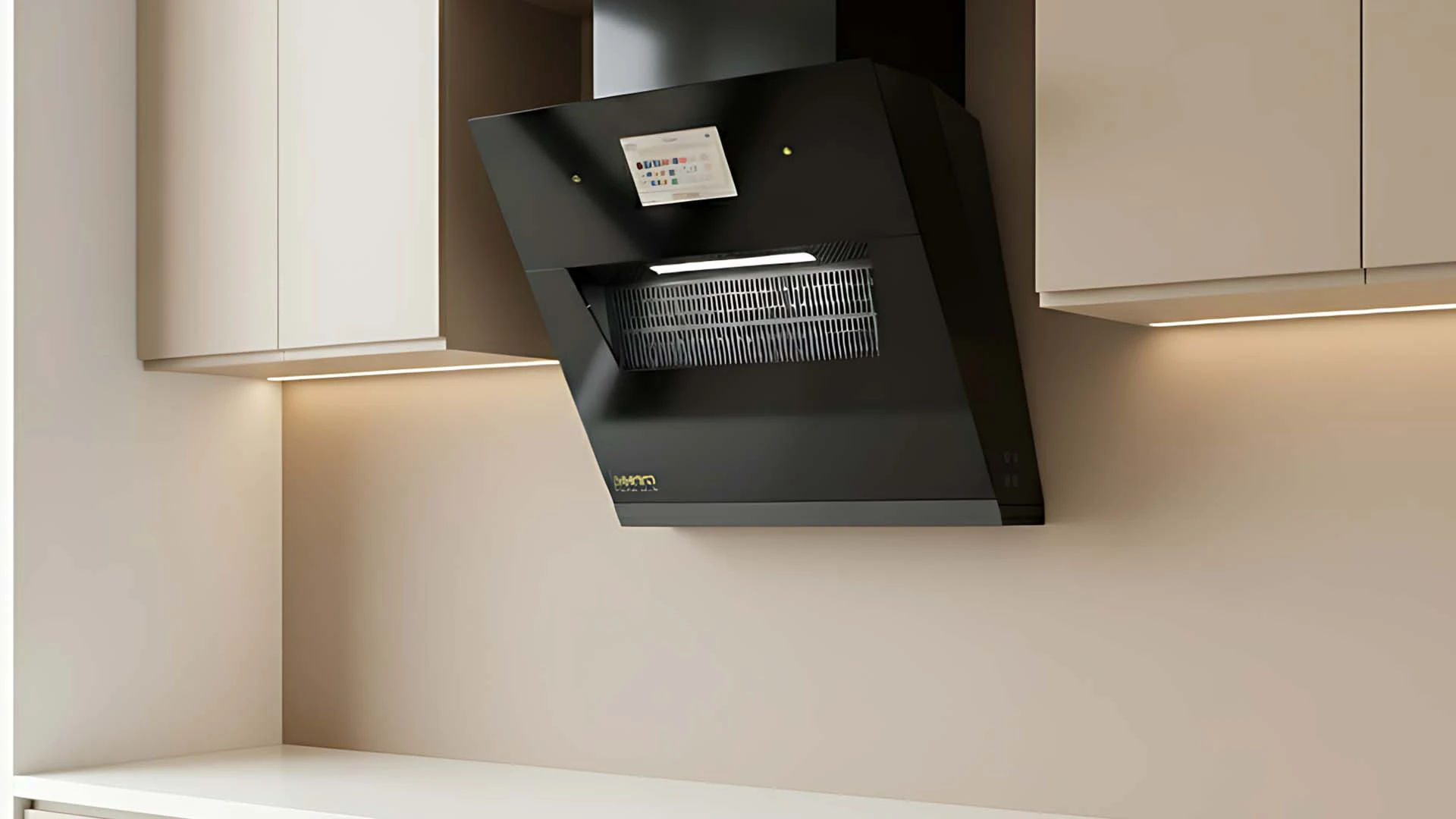
A quality stove exhaust fan removes pollutants at their source before they spread. Range hoods should move at least 100 cubic feet per minute (CFM) for every 10,000 BTUs of cooking power. For most home kitchens, this means 300-600 CFM capacity. Proper installation matters enormously. Hoods should extend beyond your cooking surface and sit 24-30 inches above gas burners or 20-24 inches above electric cooktops. Ductwork should run as straight as possible to the outside, avoiding unnecessary bends that reduce efficiency.
Under-cabinet range hoods work well for standard installations. Island hoods handle cooking areas without wall support. Downdraft systems pull air downward but prove less effective for tall pots and high-heat cooking.
Clean or replace filters monthly for optimal kitchen ventilation. Grease buildup reduces airflow and creates fire hazards. Professional ductwork cleaning every 2-3 years ensures your system operates at peak efficiency.
An air purifier for cooking provides secondary protection when ventilation alone isn't enough. Look for units with both HEPA filters for particles and activated carbon for odors and gases. The combination addresses the full spectrum of cooking pollutants. Placement strategy determines effectiveness. Position portable units 6-8 feet from your cooking area, not directly next to the stove where they'll interfere with range hood airflow. Units should have clear air intake and output paths.
Choose purifiers with Clean Air Delivery Rate (CADR) ratings appropriate for your kitchen size. For a 200 square foot kitchen, look for CADR ratings of at least 200 for smoke removal. Larger kitchens need proportionally higher ratings.
Advanced air purifiers detect pollution spikes and automatically increase fan speeds during cooking. Some models integrate with smart home systems to coordinate with range hoods and provide real-time air quality feedback.
Reducing cooking pollution starts with technique modifications that don't sacrifice flavor. Use lids whenever possible to contain steam and particles. Choose cooking oils with high smoke points for high-heat applications. Lower cooking temperatures when feasible. Slow cooking, braising, and steaming produce minimal pollutants while creating delicious results. When high-heat cooking is necessary, ensure maximum ventilation before starting.
Non-stick cookware reduces the need for high-heat cooking and excess oil. Cast iron and stainless steel distribute heat evenly, preventing hot spots that create smoke. Avoid overheating empty pans, which generates unnecessary pollutants.
Open windows strategically to create cross-ventilation. Position intake windows away from cooking areas and exhaust windows near your range hood. This creates airflow patterns that help remove pollutants naturally.
Building healthy kitchen air requires a multi-layered approach combining source control, ventilation, and filtration. Start ventilation before cooking begins and continue running it for 15-20 minutes after finishing to clear residual pollutants. Monitor your progress with air quality meters that track PM2.5 levels and volatile organic compounds. Good indoor air should maintain PM2.5 levels below 12 μg/m³, even during cooking activities.
Create monthly reminders to clean range hood filters and check air purifier filter status. Schedule annual professional inspections of ductwork and ventilation systems. Replace air purifier filters according to manufacturer recommendations, typically every 3-6 months.
Improved kitchen air quality reduces respiratory symptoms, decreases cardiovascular stress, and creates a more comfortable cooking environment. Children especially benefit from reduced exposure to cooking pollutants during their developmental years.
Run your exhaust fan for 15-20 minutes after finishing cooking to clear residual pollutants. For high-pollution cooking like frying or grilling, extend this to 30 minutes.
Yes, regular cooking without proper ventilation increases risks of respiratory issues, cardiovascular problems, and can trigger asthma symptoms. Children and elderly family members face higher risks.
Frying creates the most pollution, followed by grilling, searing, and high-heat sautéing. Boiling, steaming, and slow cooking produce minimal pollutants.
Quality air purifiers with HEPA and activated carbon filters effectively remove both particles and odors from cooking. They work best as supplements to, not replacements for, proper ventilation.
Visible smoke, strong odors spreading to other rooms, or respiratory irritation during cooking indicate poor air quality. Air quality monitors provide precise measurements for objective assessment.
Cooking odors are aromatic compounds that affect smell, while harmful fumes include invisible particles and gases that impact health. Both indicate the presence of airborne pollutants requiring ventilation.
Mastering home air quality cooking protects your family's health while maintaining culinary enjoyment. Combine effective ventilation, strategic air purification, and smart cooking techniques for comprehensive protection. Regular maintenance ensures your air quality systems perform optimally year-round. With proper planning and equipment, you can create a kitchen environment that supports both delicious cooking and healthy breathing.
