

Kitchen Fumes and Health: What You Must Know
Your kitchen might be harboring invisible dangers that could impact your family's health for years to come. How kitchen fumes affect health is a topic that deserves serious attention, as indoor air pollution from cooking can be 2-5 times worse than outdoor air. Every time you cook, especially at high temperatures, you're potentially exposing yourself and your loved ones to harmful compounds that can cause both immediate discomfort and long-term health issues. Understanding these risks and taking proper precautions isn't just about comfort—it's about protecting your family's wellbeing.
Cooking fumes are complex mixtures of gases and particles released when food is heated, especially at high temperatures. These emissions contain harmful substances including fine particulate matter (PM2.5), nitrogen dioxide, carbon monoxide, and volatile organic compounds that can seriously impact kitchen air quality.
The primary concern with indoor air pollution cooking creates stems from the microscopic particles and toxic gases released during the cooking process. PM2.5 particles are particularly dangerous because they're small enough to penetrate deep into your lungs and even enter your bloodstream. These particles can carry carcinogenic compounds directly to sensitive lung tissue.
Exposure to cooking fumes can cause immediate symptoms that many people dismiss as normal kitchen experiences. Coughing, wheezing, and shortness of breath are common reactions to poor kitchen air quality. Eye and throat irritation, including scratchy throat and watery eyes, often occur during and after cooking sessions. Headaches and dizziness can also result from inhaling concentrated cooking emissions, especially in poorly ventilated spaces.
The effects of cooking smoke extend far beyond immediate discomfort. Research shows that prolonged exposure to cooking fumes can lead to serious health complications that develop over years of exposure. Regular exposure to cooking emissions has been linked to increased respiratory cancer risk due to carcinogenic compounds like polycyclic aromatic hydrocarbons (PAHs) and heterocyclic compounds. These substances form when proteins and fats are heated to high temperatures, creating cancer-causing chemicals that become airborne.
Chronic exposure to cooking fumes can contribute to cardiovascular disease development. The fine particles in cooking smoke can trigger inflammation in blood vessels and increase the risk of heart problems. Additionally, long-term exposure may lead to chronic respiratory conditions including asthma development and chronic obstructive pulmonary disease (COPD).
Children are particularly susceptible to cooking fumes and respiratory health impacts because their lungs are still developing. Regular exposure can increase their risk of acute respiratory infections and may cause long-term developmental impacts on lung function. Adults with pre-existing conditions like asthma or COPD face increased symptom severity and faster disease progression when exposed to cooking fumes regularly.
Several factors determine how dangerous cooking fumes become in your specific kitchen environment. Poor ventilation is the primary risk factor, as it allows harmful compounds to accumulate to dangerous levels.
Certain cooking methods and situations create particularly hazardous conditions. High-temperature cooking methods like frying, grilling, and roasting produce the most toxic emissions. Extended cooking sessions allow fume concentrations to build up, especially in kitchens with inadequate ventilation systems.
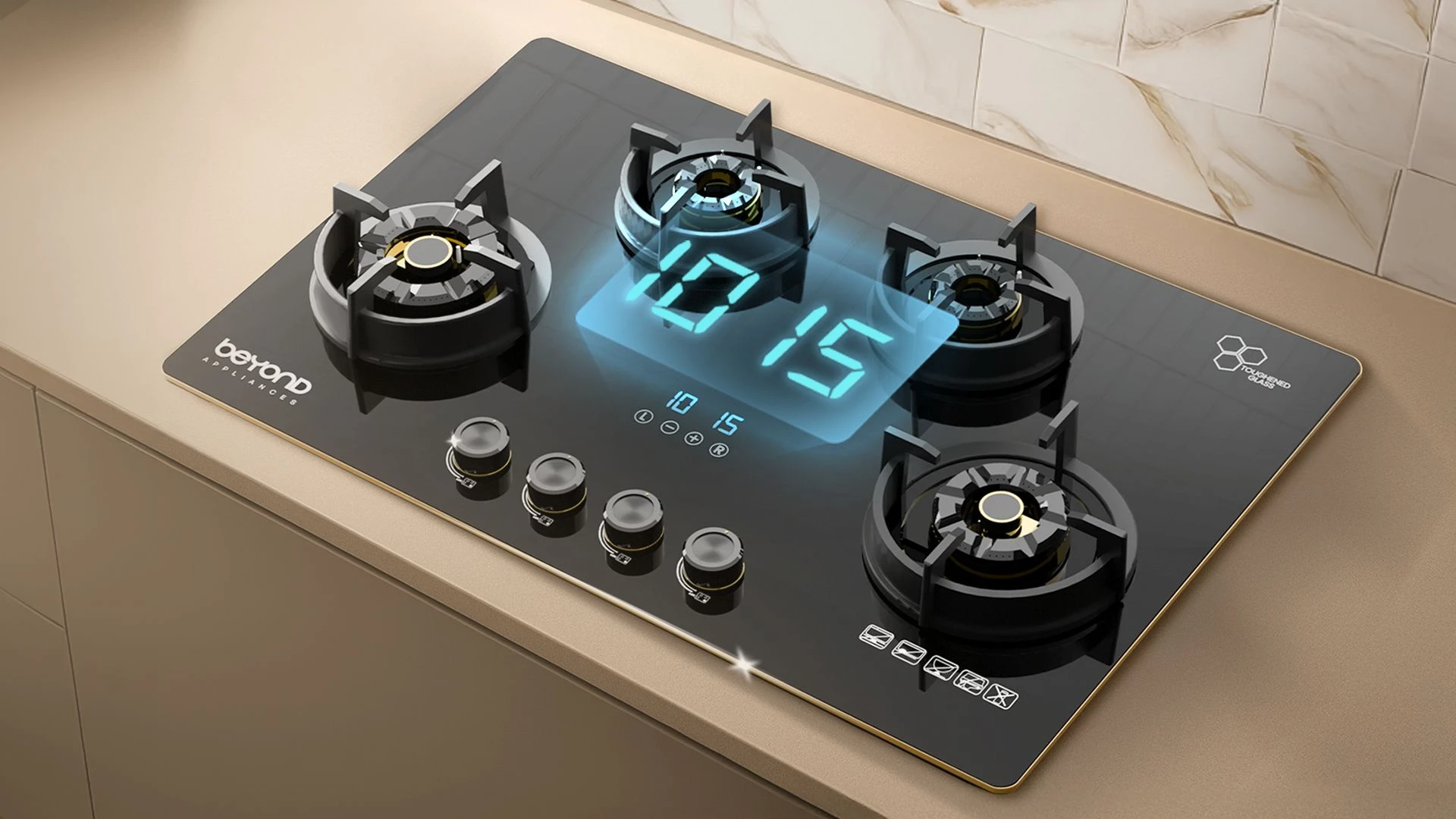
Your kitchen's layout and ventilation design significantly influence fume exposure levels. Kitchens with low ceilings, poor air circulation, or inadequate exhaust systems trap harmful emissions, creating dangerous indoor air pollution. Gas stoves typically produce more pollutants than electric alternatives, including nitrogen dioxide and carbon monoxide.
Proper ventilation is your first line of defense against cooking fume health risks. Healthy kitchen ventilation requires both adequate exhaust systems and proper air circulation throughout your cooking space. Range hoods should provide sufficient air movement, typically measured in cubic feet per minute (CFM). For most home kitchens, a range hood should move at least 100 CFM for every linear foot of cooktop width. However, high-heat cooking may require even more powerful ventilation.
Beyond basic ventilation, additional air purification technologies can significantly improve kitchen air quality. HEPA air purifiers specifically designed for kitchen use can capture fine particles that escape standard ventilation. Activated carbon filters excel at removing odors and chemical vapors from cooking emissions.
Regular maintenance ensures your ventilation system provides optimal protection. Range hood filters should be cleaned monthly and replaced according to manufacturer guidelines. Professional inspection and cleaning of exhaust systems should occur annually to maintain peak performance.
Reducing cooking fumes exposure involves both equipment solutions and modified cooking techniques. Simple changes to your cooking habits can dramatically decrease harmful emissions. Lower temperature cooking methods produce fewer toxic compounds. Steaming, poaching, and braising create minimal emissions compared to high-heat frying or grilling. When high-heat cooking is necessary, using lids helps contain emissions and reduces the amount of fumes released into your kitchen air.
Choosing cooking oils with higher smoke points prevents the formation of harmful compounds that occur when oils break down at high temperatures. Coconut oil, avocado oil, and ghee are excellent choices for high-heat cooking. Additionally, avoiding burnt or charred food prevents the formation of particularly toxic compounds.
Activating ventilation systems before you start cooking allows them to establish proper airflow patterns. Keeping exhaust fans running for 15-20 minutes after cooking helps clear remaining particles and gases from your kitchen air.
Yes, cooking fumes contain harmful compounds including carcinogenic substances, fine particles, and toxic gases that can cause both immediate symptoms and long-term health problems. The level of harm depends on exposure duration, ventilation quality, and individual sensitivity.
While rare, severe cooking smoke exposure can be dangerous, especially if carbon monoxide builds up in poorly ventilated spaces. Extreme exposure scenarios, such as kitchen fires or gas leaks, can be life-threatening and require immediate emergency response.
Yes, cooking fumes frequently cause headaches due to carbon monoxide exposure, volatile organic compounds, and reduced oxygen levels in poorly ventilated kitchens. These neurological symptoms often improve quickly with fresh air and proper ventilation.
Use proper ventilation systems, cook at lower temperatures when possible, choose appropriate cooking oils, maintain clean exhaust systems, and ensure adequate air circulation. Installing quality range hoods and using air purifiers can significantly reduce exposure.
Research indicates that long-term exposure to cooking fumes, particularly from high-temperature cooking, may increase lung cancer risk due to carcinogenic compounds like PAHs. However, proper ventilation and safe cooking practices can significantly reduce this risk.
Protecting your family from cooking fume health risks requires understanding the dangers and implementing proper prevention strategies. Quality ventilation systems, safe cooking practices, and regular maintenance create a healthier kitchen environment. The impact of cooking on health is significant, but with proper precautions, you can enjoy cooking while protecting your family's wellbeing. Remember that investing in good ventilation and following safe cooking practices today prevents serious health problems tomorrow.
