

Kitchen Air Quality: Your Complete Guide to Clean Air
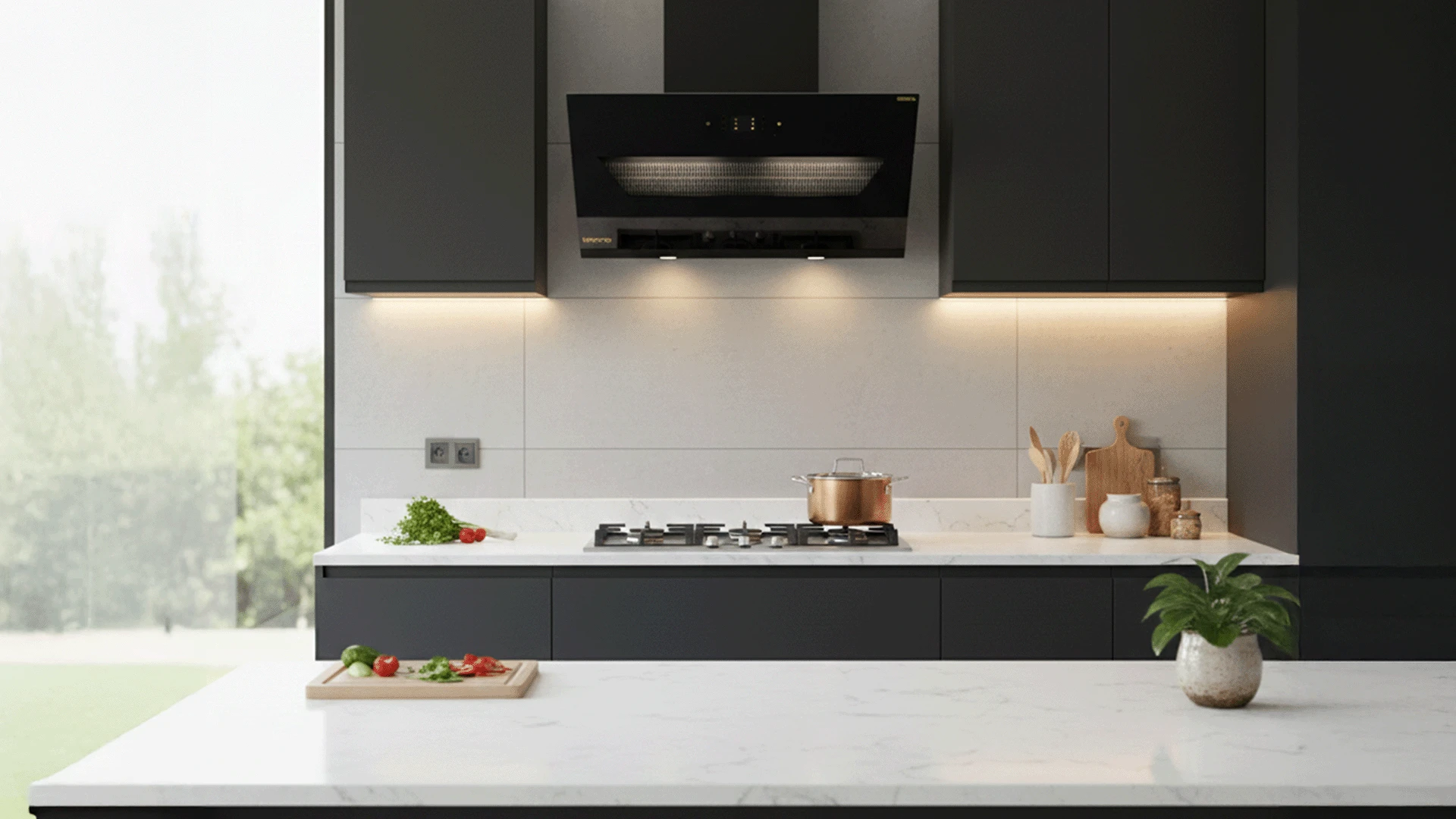
Your kitchen is the heart of your home, but it can also be a significant source of indoor air pollution. Every time you cook, you're potentially releasing harmful particles, gases, and odors into your living space. Understanding kitchen air quality is crucial for maintaining a healthy home environment. Poor air quality in your kitchen doesn't just affect your cooking experience—it impacts your family's health, comfort, and overall well-being. From cooking fumes to moisture buildup, various factors contribute to compromised air quality that many homeowners overlook.
Understanding kitchen air quality goes beyond simply eliminating cooking odors. It involves managing the complex mix of pollutants that cooking activities generate. When you prepare meals, especially using high-heat methods, your kitchen becomes a source of fine particles, nitrogen dioxide, carbon monoxide, and volatile organic compounds. The health implications are more serious than most people realize. Poor indoor air quality kitchen environments can trigger asthma attacks, cause respiratory irritation, and lead to long-term health issues. Children and elderly family members are particularly vulnerable to these effects. Studies show that cooking without proper ventilation can increase indoor particle concentrations to levels comparable to heavily polluted outdoor air. Healthy kitchen air requires maintaining pollutant levels below harmful thresholds. This means ensuring adequate ventilation, controlling moisture, and minimizing the generation of harmful particles during cooking activities.
Identifying sources of kitchen air pollution is the first step toward creating a healthier cooking environment. Your cooking methods, appliances, and even cleaning products contribute to compromised air quality. Gas stoves are among the biggest culprits of kitchen air pollution. They release nitrogen dioxide, carbon monoxide, and formaldehyde directly into your kitchen air. Even when functioning properly, gas burners produce these pollutants as natural byproducts of combustion.
Frying, grilling, and searing generate the most cooking fumes. These methods create fine particulate matter (PM2.5) when oils reach their smoke points. The particles are small enough to penetrate deep into your lungs and can remain airborne for hours.
Heating cooking oils releases volatile organic compounds and creates visible smoke. Burnt food particles contribute additional pollutants that can trigger respiratory symptoms and create persistent odors.
Many kitchen cleaners release VOCs that combine with cooking pollutants to worsen air quality. Oven cleaners, degreasers, and even some dish soaps contribute to the chemical load in your kitchen air.
Recognizing poor air quality helps you take corrective action before health problems develop. Your body often provides the first warning signs that your kitchen air needs attention. Persistent kitchen odors that linger hours after cooking indicate inadequate ventilation. If cooking smells spread throughout your home or remain noticeable the next day, your kitchen's air quality management needs improvement.
Headaches, eye irritation, throat discomfort, or coughing during or after cooking suggest exposure to elevated pollutant levels. These symptoms often worsen with prolonged exposure to poor air quality.
Grease buildup on surfaces, condensation on windows, or a hazy appearance in your kitchen air signals ventilation problems. These visible signs indicate that pollutants aren't being effectively removed from your cooking space.
Effective kitchen ventilation is your primary defense against air quality problems. Proper ventilation systems remove pollutants at their source and maintain healthy air circulation throughout your cooking space. Range hoods are the most important component of kitchen ventilation. They capture cooking fumes directly above your cooking surface and exhaust them outside. The effectiveness depends on proper sizing, installation height, and adequate airflow capacity measured in cubic feet per minute (CFM).
Your range hood should move at least 100 CFM for every 12 inches of cooktop width. For gas cooking or frequent high-heat preparation, increase this to 150 CFM per foot of cooking surface.
Opening windows creates cross-ventilation that helps remove pollutants. Position windows to create airflow that carries cooking fumes away from living areas. This strategy works best when combined with mechanical ventilation.
An air purifier for kitchen use provides additional protection against cooking-related pollutants. These devices work alongside ventilation systems to capture particles and neutralize odors that escape your range hood. HEPA filters excel at capturing fine particles generated during cooking. For kitchen use, look for purifiers that combine HEPA filtration with activated carbon filters to address both particles and odors. The carbon component is essential for neutralizing cooking smells and chemical vapors.
Position air purifiers away from direct cooking areas to avoid overwhelming the filters with grease and moisture. Choose units sized for your kitchen's square footage, with consideration for the higher pollutant loads that cooking generates.
Improving kitchen air quality requires a combination of proper equipment, smart cooking practices, and regular maintenance. Small changes in how you cook and maintain your kitchen can significantly impact air quality. Start ventilation before you begin cooking and continue running it for 10-15 minutes after finishing. This ensures pollutants are removed before they spread throughout your home. Use lids on pots and pans to reduce steam and particle emissions.
Lower cooking temperatures when possible to reduce pollutant generation. Steam, boil, or bake instead of frying when practical. These methods produce fewer harmful particles and require less aggressive ventilation.
Clean range hood filters monthly and replace them as recommended. Grease-clogged filters reduce ventilation effectiveness and can become fire hazards. Keep kitchen surfaces clean to prevent pollutant buildup that can become airborne during cooking.
Implement effective ventilation by using range hoods during cooking, opening windows for cross-ventilation, and maintaining proper airflow. Combine mechanical ventilation with natural airflow and consider air purifiers for additional protection.
PM2.5 refers to fine particulate matter with particles 2.5 microns or smaller in diameter. These particles are commonly produced during high-heat cooking and are particularly concerning because they can penetrate deep into your respiratory system.
Watch for persistent cooking odors, visible grease buildup, condensation on windows, and physical symptoms like headaches, eye irritation, or respiratory discomfort during or after cooking activities.
High-temperature methods like frying, grilling, and searing generate the most pollutants, particularly when oils reach their smoke points. Steaming, boiling, and baking produce significantly fewer harmful emissions.
Continue running your range hood for 10-15 minutes after cooking to ensure complete removal of lingering pollutants and cooking fumes. This prevents them from spreading to other areas of your home.
Yes, gas stoves produce nitrogen dioxide, carbon monoxide, and other combustion byproducts that electric stoves don't generate. However, both cooking methods can create particles and odors that require proper ventilation.
Maintaining excellent kitchen air quality protects your family's health and enhances your cooking experience. Focus on effective ventilation as your primary strategy, supported by appropriate air purification and smart cooking practices. Regular maintenance of your ventilation equipment ensures optimal performance when you need it most. Remember that small changes in cooking methods and ventilation habits can create significant improvements in your kitchen's air quality.
