

Indoor Smoke Prevention: Your Complete Guide
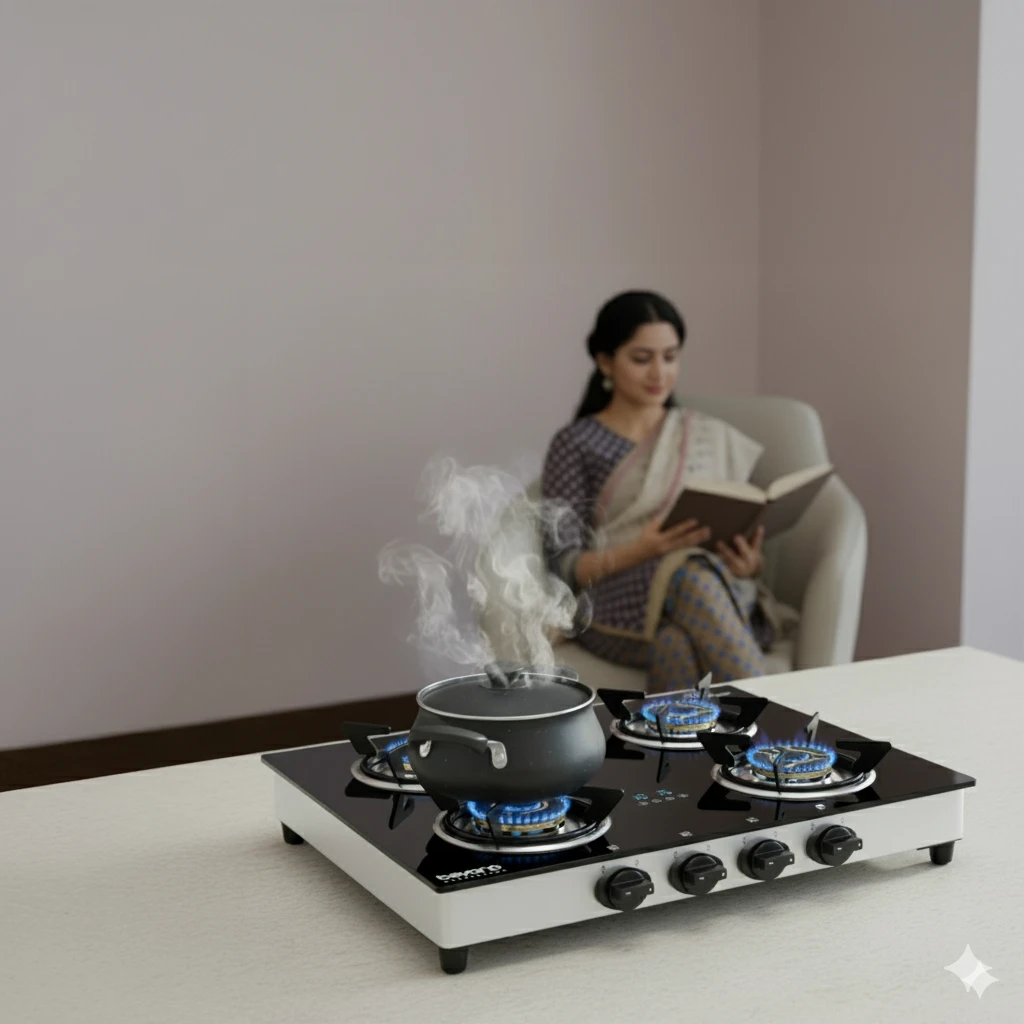
Indoor smoke accumulation can transform your comfortable home into an uncomfortable environment, affecting both your health and daily living experience. Whether it's cooking smoke lingering in your kitchen, fireplace emissions, or other household sources, understanding how to avoid smoke accumulating indoors is essential for maintaining a healthy living space. This comprehensive guide explores proven strategies, from immediate solutions to long-term prevention methods, helping you create and maintain smoke-free indoor air quality.
Effective indoor smoke prevention begins with identifying where smoke originates in your home. The kitchen remains the primary source, where high-heat cooking, oil splattering, and burnt food create persistent smoke particles. Other common sources include fireplaces, candles, incense, and tobacco use.
Smoke particles are microscopic and can remain airborne for hours, unlike simple odors that dissipate quickly. These particles penetrate fabrics, settle on surfaces, and can trigger respiratory issues, especially for children and elderly family members. Traditional air fresheners merely mask odors without removing harmful particles, making proper household smoke management crucial for long-term health.
Continuous exposure to indoor smoke can cause eye irritation, headaches, and respiratory discomfort. Long-term exposure may worsen asthma symptoms and affect overall indoor air quality, making prevention strategies essential rather than optional.
Kitchen smoke control starts before you begin cooking. Proper preparation and technique selection can dramatically reduce smoke production during meal preparation. Understanding your cooking methods and equipment capabilities forms the foundation of effective smoke prevention.
Temperature management plays a crucial role in cooking smoke reduction. High-heat cooking methods like stir-frying and searing naturally produce more smoke, but proper technique can minimize this production significantly.
Clean cooking surfaces thoroughly before use
Ensure proper ventilation is active before heating begins
Choose appropriate cookware for your cooking method
Remove excess moisture from ingredients to prevent splattering
Different cooking oils have varying smoke points. Coconut oil and ghee work well for high-heat cooking, while olive oil suits medium-heat applications. Monitoring oil temperature prevents unnecessary smoke generation during cooking processes.
Proper ventilation for smoke removal requires understanding airflow patterns and equipment capabilities. Range hoods, exhaust fans, and natural ventilation work together to create effective smoke extraction methods that clear air quickly and efficiently.
Modern kitchen chimneys offer various designs including Android chimneys with smart controls, T-shaped models for island kitchens, and curved designs that blend aesthetically with contemporary interiors. Each type serves specific kitchen layouts and cooking styles.
Choose range hoods with appropriate suction capacity for your kitchen size. A 60cm hob typically requires 400-600 cubic meters per hour suction capacity, while larger cooking surfaces need proportionally higher capacity units.
Open windows on opposite sides for cross-ventilation
Use ceiling fans to circulate air upward
Create negative pressure by exhausting air from cooking areas
Position exhaust fans strategically near smoke sources
An effective air purifier for smoke requires specific filtration technology designed for particle removal. HEPA filters capture 99.97% of particles 0.3 microns or larger, while activated carbon filters absorb odors and gaseous pollutants.
Room size calculations determine appropriate purifier capacity. Multiply your room's square footage by ceiling height, then choose units with Clean Air Delivery Rate (CADR) ratings matching or exceeding this volume for optimal smoke buildup solutions.
HEPA filters: Remove smoke particles effectively
Activated carbon: Absorbs smoke odors and gases
Pre-filters: Capture larger particles, extending main filter life
UV-C technology: Neutralizes bacteria and viruses in smoke-affected air
Position air purifiers away from walls and furniture for optimal airflow. Replace filters according to manufacturer schedules, typically every 3-6 months for HEPA filters and 6-12 months for carbon filters, depending on usage intensity.
Persistent smoke issues require advanced reduce indoor smoke strategies beyond basic ventilation. Sealing gaps around doors and windows prevents smoke migration between rooms, while strategic fan placement creates controlled airflow patterns.
Emergency smoke clearing protocols involve opening multiple windows, activating all available exhaust systems, and using portable fans to accelerate air exchange. These techniques prove especially valuable after cooking accidents or when dealing with unexpected smoke sources.
Install door seals to prevent smoke spread
Use positive pressure in clean areas
Create negative pressure in smoke-affected zones
Coordinate HVAC settings with local exhaust systems
Maintaining healthy kitchen air quality requires consistent daily habits and regular maintenance routines. Simple practices like wiping surfaces immediately after cooking and ensuring proper equipment function create lasting improvements in indoor air quality.
Weekly cleaning of range hood filters and monthly inspection of exhaust systems ensure optimal performance. Professional maintenance services can address complex issues and optimize system efficiency for long-term household smoke management.
Activate ventilation before cooking begins
Clean spills immediately to prevent smoke generation
Use appropriate cooking temperatures for each ingredient
Maintain clean cooking surfaces and equipment
With proper ventilation, cooking smoke should clear within 15-30 minutes. If smoke lingers longer, check your exhaust system capacity and consider upgrading to a more powerful range hood or adding supplementary air purification.
Installing a quality range hood with appropriate suction capacity provides the best long-term value. Combined with proper cooking techniques and regular maintenance, this investment offers comprehensive smoke control at reasonable cost.
While certain plants like spider plants and peace lilies improve general air quality, they cannot effectively remove smoke particles. Mechanical ventilation and filtration systems remain necessary for proper smoke control.
Seal gaps around shared walls, install door sweeps, and use positive pressure ventilation to prevent smoke infiltration. Consider portable air purifiers for affected rooms and address ventilation issues with building management.
Open all windows and doors for maximum cross-ventilation, activate all exhaust fans, use portable fans to accelerate air movement, and remove the smoke source immediately. Focus on creating strong airflow patterns toward exterior openings.
If smoke problems persist despite proper ventilation and cleaning, or if family members experience ongoing respiratory symptoms, professional assessment can identify hidden issues and recommend targeted solutions for your specific situation.
Effective indoor smoke prevention combines proper equipment, smart cooking techniques, and consistent maintenance habits. Quality range hoods, strategic ventilation, and appropriate air purification create comprehensive solutions for smoke-free living environments.
Remember that prevention proves more effective than remediation. Investing in proper ventilation equipment and developing good cooking habits creates lasting improvements in your home's air quality, protecting your family's health and comfort for years to come.
