

How to Reduce Kitchen Smoke: 7 Proven Methods
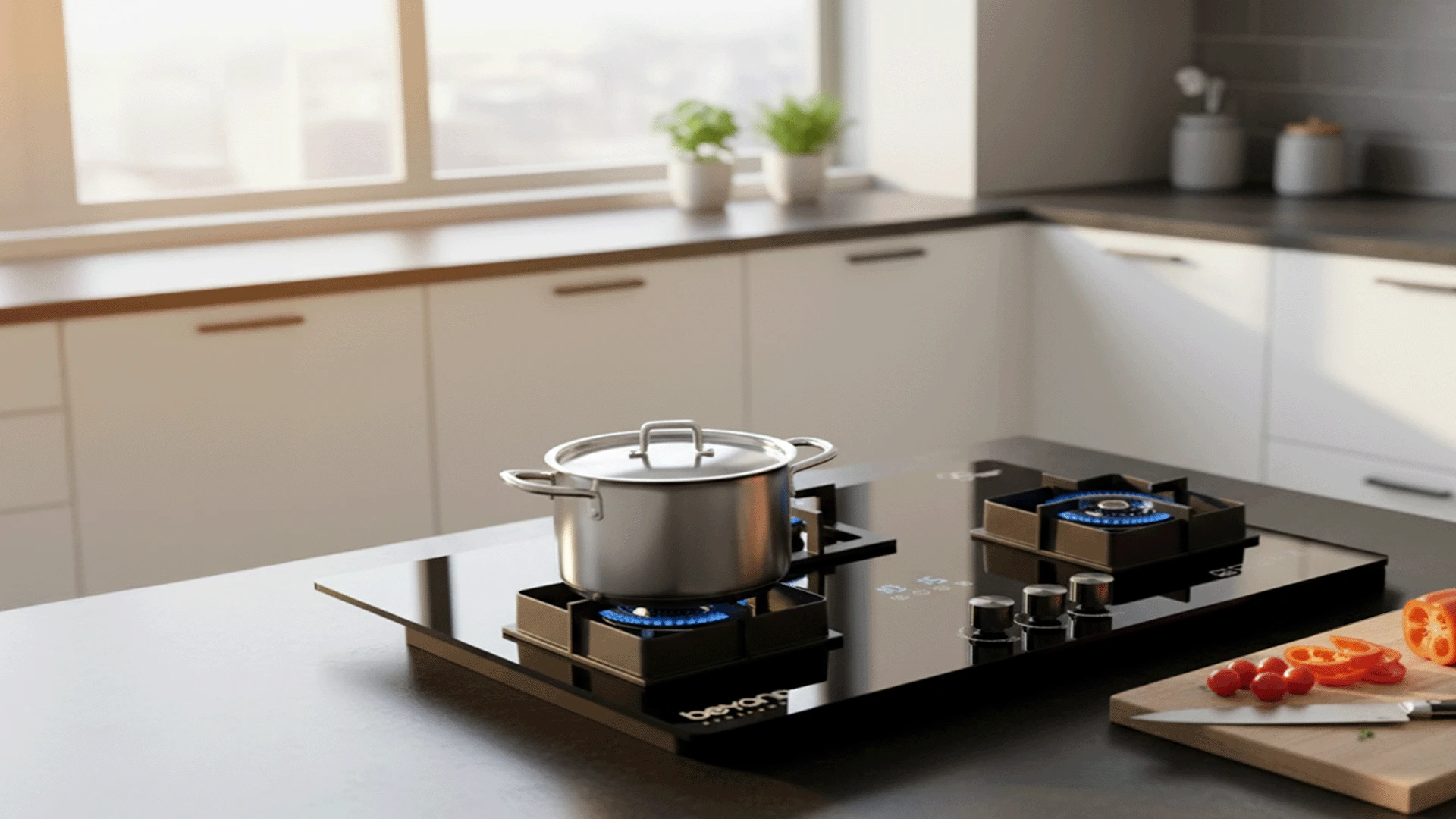
Cooking should be a joy, not a battle against smoke and lingering odors. Every home chef knows the frustration of smoke filling the kitchen during meal preparation, triggering smoke alarms, and leaving unpleasant smells that persist for hours. Kitchen smoke isn't just an inconvenience—it affects your home's air quality, your family's health, and your overall cooking experience. The good news is that with the right techniques and equipment, you can dramatically reduce kitchen smoke while cooking and create a cleaner, more comfortable cooking environment. From proper ventilation systems to smart cooking techniques, there are proven methods that work for every kitchen and budget.
Kitchen smoke poses real health risks that extend beyond temporary discomfort. When oils and food particles burn at high temperatures, they release harmful compounds into the air that can irritate your respiratory system and worsen conditions like asthma or allergies. Poor kitchen air quality affects your entire home's indoor environment. Cooking smoke contains fine particles that can settle on furniture, walls, and fabrics, creating persistent odors and requiring more frequent cleaning. These particles can also circulate through your home's ventilation system, spreading cooking smells to other rooms. The science behind cooking smoke generation involves the breakdown of fats and proteins at high temperatures. When cooking oils exceed their smoke points, they begin to decompose and release visible smoke along with potentially harmful compounds. Understanding this process helps you make better choices about cooking methods and equipment. Long-term exposure to cooking smoke has been linked to respiratory issues and reduced indoor air quality. Professional chefs and frequent home cooks often develop sensitivity to cooking fumes over time, making effective smoke reduction essential for healthy kitchen living.
High-heat cooking methods like stir-frying, searing, and deep-frying naturally generate more smoke than gentler techniques. These cooking styles often require temperatures that exceed the smoke points of many cooking oils, leading to visible smoke production. Oil smoke points vary significantly between different types of cooking oils. Butter and extra virgin olive oil have relatively low smoke points, while refined oils like avocado and grapeseed oil can withstand much higher temperatures before smoking. Temperature control becomes crucial when using oils with lower smoke points.
Dirty pans and worn cookware contribute significantly to smoke production. Food residue and oil buildup on cooking surfaces burn at lower temperatures, creating unnecessary smoke even during moderate-heat cooking.
Many kitchens lack proper ventilation systems or have undersized range hoods that cannot effectively remove cooking smoke. Poor airflow design and blocked vents compound these issues, allowing smoke to accumulate instead of being extracted.
Choosing the best range hood for your kitchen requires understanding your cooking habits and kitchen size. A range hood should move at least 100 CFM (cubic feet per minute) for every 10,000 BTUs of gas burner output, or 100 CFM per linear foot for electric cooktops. Proper range hood installation involves mounting the hood 24-30 inches above gas cooktops or 20-24 inches above electric surfaces. The hood should extend at least 3 inches beyond the cooktop on each side for optimal smoke capture. Professional installation ensures proper ducting and electrical connections for maximum efficiency.
Calculate your kitchen's ventilation needs by considering room size, ceiling height, and cooking intensity. High-output gas ranges may require 600-1200 CFM range hoods, while standard electric cooktops work well with 300-600 CFM units.
Regular cleaning of grease filters and ductwork maintains optimal performance. Replace or clean metal filters monthly, and schedule professional duct cleaning annually for heavy-use kitchens.
Understanding oil smoke points prevents unnecessary smoke generation during cooking. Refined oils like canola (400°F), vegetable (400-450°F), and avocado oil (520°F) work best for high-heat cooking, while butter (350°F) and extra virgin olive oil (375°F) suit medium-heat applications. Preheating techniques that minimize smoke include gradually increasing temperature rather than starting with maximum heat. Allow pans to warm slowly and add oil only when the pan reaches the desired temperature. This prevents oil from overheating and smoking before food is added.
Steaming, poaching, and braising produce minimal smoke while delivering excellent results. These moist-heat cooking methods operate at lower temperatures and don't require high-smoke-point oils.
Heavy-bottomed pans distribute heat evenly, preventing hot spots that can cause smoking. Non-stick cookware allows cooking at lower temperatures with less oil, reducing smoke production.
Optimal kitchen layout promotes natural airflow that helps disperse cooking smoke. Position your cooktop near windows when possible, and ensure clear pathways for air circulation around cooking areas. Window placement and cross-ventilation create natural smoke extraction. Open windows on opposite sides of the kitchen during cooking to establish airflow patterns that carry smoke away from living areas.
HEPA air purifiers with activated carbon filters effectively capture cooking smoke particles and odors. Position units strategically around the kitchen for maximum smoke absorption during cooking.
Temporary barriers like portable screens can contain cooking smoke to specific areas, preventing spread throughout your home.
These advanced techniques provide additional layers of smoke control for challenging cooking situations or kitchens with persistent smoke issues.
Bowls of white vinegar placed around the kitchen naturally absorb cooking odors and smoke particles. Baking soda also works as an effective odor absorber—leave open containers near cooking areas during meal preparation. Certain plants like spider plants, peace lilies, and snake plants improve kitchen air quality by filtering airborne particles. These natural air purifiers complement mechanical ventilation systems.
Induction cooktops produce less ambient heat than gas ranges, reducing overall smoke generation. The precise temperature control of induction cooking prevents oil overheating and minimizes smoke production. Smart ventilation systems with automatic sensors detect smoke and adjust fan speeds accordingly. These systems provide optimal smoke extraction without manual intervention.
Commercial-style ventilation upgrades offer superior smoke extraction for serious home cooks. Professional-grade range hoods move 900-1500 CFM and handle the most demanding cooking applications. Downdraft systems work well for island cooktops where traditional overhead ventilation isn't practical. These systems pull smoke downward through specialized vents.
When smoke becomes overwhelming, immediately turn off heat sources and open all available windows. Use fans to create cross-ventilation and direct smoke toward exits. Quick odor removal involves simmering water with lemon slices and herbs to neutralize lingering cooking smells.
Use oils with high smoke points like avocado or grapeseed oil, ensure proper ventilation, and preheat pans gradually to prevent oil from overheating.
Choose a range hood that's at least as wide as your cooktop, with CFM ratings of 100 per 10,000 BTUs for gas ranges or 100 per linear foot for electric cooktops.
Yes, use natural ventilation through windows, portable air purifiers, lower cooking temperatures, and oils with higher smoke points.
Refined oils like avocado (520°F), safflower (510°F), and canola (400°F) have high smoke points and produce minimal smoke during cooking.
Reducing kitchen smoke while cooking requires a combination of proper equipment, smart techniques, and good habits. Start with ensuring adequate ventilation through a properly sized range hood or natural airflow methods. Master temperature control by choosing appropriate oils and preheating techniques that prevent smoking. Implement these seven proven methods gradually, beginning with the most practical solutions for your kitchen setup and budget. Regular maintenance of ventilation systems and cookware keeps smoke reduction efforts effective long-term. With consistent application of these strategies, you'll enjoy cleaner air, reduced odors, and a more pleasant cooking experience that makes your kitchen a healthier, more enjoyable space for meal preparation.
