

How to Maintain a Commercial Chimney: Expert Tips
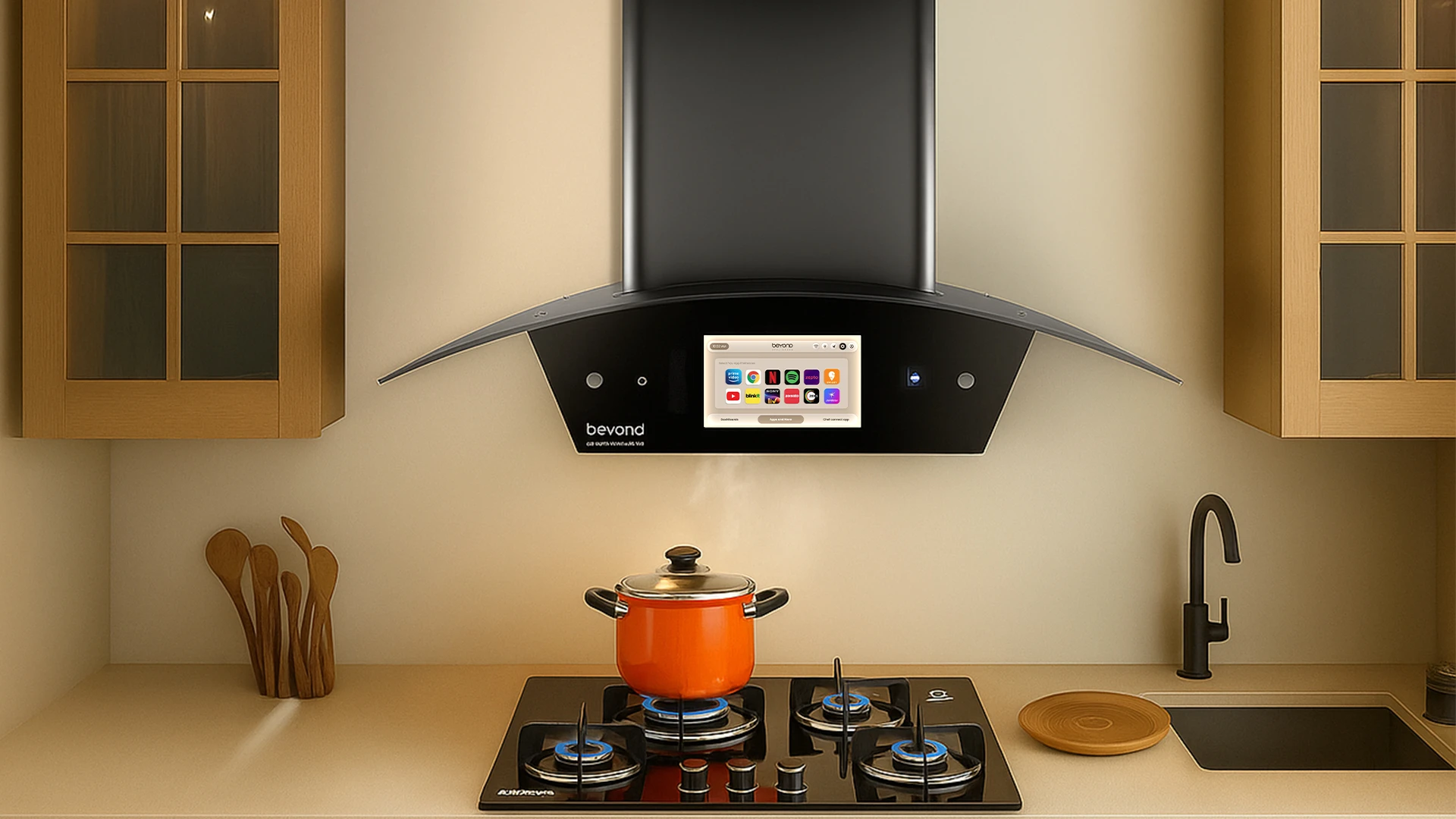
Maintaining a commercial chimney requires specialized knowledge and consistent attention to detail. Unlike residential systems, commercial chimneys handle higher volumes of exhaust, grease, and heat, making regular maintenance essential for safety and operational efficiency. Poor maintenance can lead to fire hazards, health violations, and costly repairs that could shut down your business operations.
Commercial establishments face unique challenges when it comes to chimney care. Restaurant kitchens, cafes, and industrial facilities rely heavily on proper ventilation systems to maintain air quality and comply with safety regulations. Understanding the specific requirements of your commercial chimney system helps prevent dangerous situations and ensures smooth business operations.
Different types of commercial chimneys require specific maintenance approaches based on their design and usage patterns. Kitchen exhaust chimneys in restaurants face constant exposure to grease and high temperatures, while gas fireplace chimney systems in hotels or offices have different ventilation requirements.
Each system demands tailored care to function safely and efficiently. Understanding your specific chimney type helps establish the right maintenance schedule and cleaning protocols.
Restaurant and kitchen chimneys handle heavy grease loads and require frequent cleaning. The chimney flue in these systems often accumulates grease buildup that poses serious fire risks. Professional chimney cleaning services should inspect these systems monthly.
Commercial establishments with wood stove chimney systems need regular creosote removal. Gas systems require less frequent cleaning but need careful monitoring of ventilation efficiency. Both types benefit from seasonal chimney inspection protocols.
Manufacturing facilities and large commercial buildings often have complex chimney systems that handle various exhaust types. These require specialized maintenance approaches and certified technicians for proper care.
Regular chimney inspection forms the foundation of effective maintenance programs. Professional inspections identify potential problems before they become costly emergencies. Most commercial chimneys need quarterly inspections, though high-use kitchen systems may require monthly evaluations.
Trained technicians examine structural integrity, ventilation efficiency, and safety compliance during comprehensive inspections. These evaluations help maintain optimal performance and prevent dangerous situations that could threaten your business.
Professional chimney sweep services examine the entire system from top to bottom. They check the chimney cap for damage, inspect the flue lining for cracks, and evaluate the overall structural condition. Interior examinations focus on buildup levels and ventilation efficiency.
Visible rust, white staining on exterior walls, or unusual odors indicate potential problems. Poor draft, smoke entering the building, or damaged chimney cap components require immediate attention. Early detection prevents minor issues from becoming major expenses.
The chimney flue carries exhaust safely away from your building. Damaged flue linings can leak dangerous gases into occupied spaces. Regular cap maintenance prevents water damage and keeps animals from entering the system.
Effective chimney cleaning requires specialized equipment and training to handle commercial-grade systems safely. Professional cleaning services use industrial-strength tools and follow strict safety protocols to remove buildup without damaging chimney components.
The cleaning frequency depends on your chimney type and usage patterns. Heavy-use kitchen systems need monthly cleaning, while moderate-use systems may require quarterly attention. Establishing a consistent cleaning schedule prevents dangerous buildup and maintains optimal performance.
Commercial chimney cleaning requires specialized training and equipment beyond typical maintenance staff capabilities. Professional services have the tools and expertise to clean safely without causing damage. DIY attempts often miss critical areas and may create safety hazards.
Different chimney types require specific cleaning methods. Grease-heavy kitchen systems need steam cleaning and degreasing agents. Wood stove chimney systems require creosote removal techniques. Gas systems need careful attention to ventilation components.
Professional chimney sweep services follow strict safety guidelines including proper ventilation, protective equipment, and containment procedures. These protocols protect both workers and building occupants during the cleaning process.
Commercial chimneys face unique challenges that require prompt attention to prevent serious problems. Understanding common issues helps identify when professional chimney repair services are needed. Early intervention often prevents minor problems from becoming expensive emergencies.
Structural problems, ventilation issues, and safety violations can shut down business operations. Regular maintenance and prompt repairs keep your commercial chimney system functioning safely and efficiently.
Cracks in the chimney structure, damaged mortar joints, or leaning chimneys require immediate professional attention. These problems can worsen quickly and pose serious safety risks. Professional chimney repair services can assess and address structural concerns safely.
Heavy buildup in wood stove chimney systems or kitchen exhaust chimneys creates fire hazards. Professional cleaning removes dangerous accumulations and restores safe operation. Regular cleaning prevents excessive buildup from occurring.
Poor ventilation affects air quality and system efficiency. Blocked chimney flue passages or damaged ventilation components require professional repair. Proper airflow ensures safe operation and compliance with building codes.
Fireplace safety in commercial settings requires comprehensive protocols and regular monitoring. Proper safety measures protect occupants, prevent property damage, and ensure regulatory compliance. Understanding safety requirements helps maintain a secure environment for customers and employees.
Safety protocols extend beyond basic maintenance to include fire prevention, air quality monitoring, and emergency procedures. Implementing comprehensive fireplace safety measures protects your business and reduces liability risks.
Regular chimney cleaning removes combustible buildup that could ignite. Proper clearances around heating equipment and regular equipment inspections prevent fire hazards. Staff training on fire prevention helps identify potential problems early.
Adequate ventilation ensures safe operation and prevents carbon monoxide buildup. Professional chimney inspection services verify proper airflow and identify ventilation problems. Regular monitoring maintains safe air quality for building occupants.
Commercial buildings need reliable carbon chimney and fireplace areas. Regular testing ensures detection equipment functions properly. Professional fireplace maintenance includes checking ventilation to prevent dangerous gas accumulation.
Strategic planning for commercial chimney maintenance helps control costs while ensuring safety and compliance. Understanding maintenance expenses helps budget appropriately for necessary services. Regular care prevents expensive emergency repairs and extends system lifespan.
Professional maintenance contracts often provide cost savings compared to individual service calls. Establishing relationships with qualified service providers ensures prompt attention when problems arise. Investment in proper maintenance protects your business operations and reduces long-term costs.
Commercial fireplace maintenance costs vary based on system complexity and usage levels. High-use kitchen systems require larger maintenance budgets than occasional-use fireplaces. Planning for regular chimney sweep services helps avoid unexpected expenses.
Regular inspections and cleaning prevent most serious problems. Scheduling maintenance during slow business periods minimizes operational disruption. Preventative care costs much less than emergency repairs or system replacement.
Qualified chimney repair professionals have proper licensing, insurance, and commercial experience. References from other commercial clients indicate reliable service. Professional associations and certifications demonstrate technical competence.
Most commercial chimney systems need quarterly inspections, though high-use kitchen systems may require monthly evaluations. The inspection frequency depends on usage levels, chimney type, and local regulations. Professional chimney inspection services can recommend appropriate schedules based on your specific system.
Visible rust, white staining on exterior walls, unusual odors, poor draft, or damaged chimney cap components indicate potential problems. Smoke entering the building or animals in the chimney also signal issues requiring immediate attention. Regular chimney sweep services help identify problems early.
Maintenance costs typically range from INR 5,000 to INR 25,000 quarterly, depending on system complexity and cleaning requirements. High-use kitchen systems cost more than occasional-use fireplaces. Professional chimney cleaning and inspection services provide detailed cost estimates based on your specific needs.
Commercial chimney maintenance requires specialized equipment and training beyond typical facility maintenance capabilities. Professional services ensure proper cleaning without damage and compliance with safety regulations. DIY maintenance attempts often miss critical issues and may create safety hazards.
Proper commercial chimney maintenance requires professional expertise and consistent attention to safety protocols. Regular chimney inspection and cleaning prevent dangerous situations while ensuring regulatory compliance. Understanding your specific chimney type helps establish appropriate maintenance schedules and cleaning protocols.
Investment in professional fireplace maintenance protects your business operations and reduces long-term costs. Establishing relationships with qualified service providers ensures prompt attention when problems arise. Proper maintenance keeps your commercial chimney system functioning safely and efficiently for years to come.
