

How to Improve Kitchen Air Quality with Ventilation
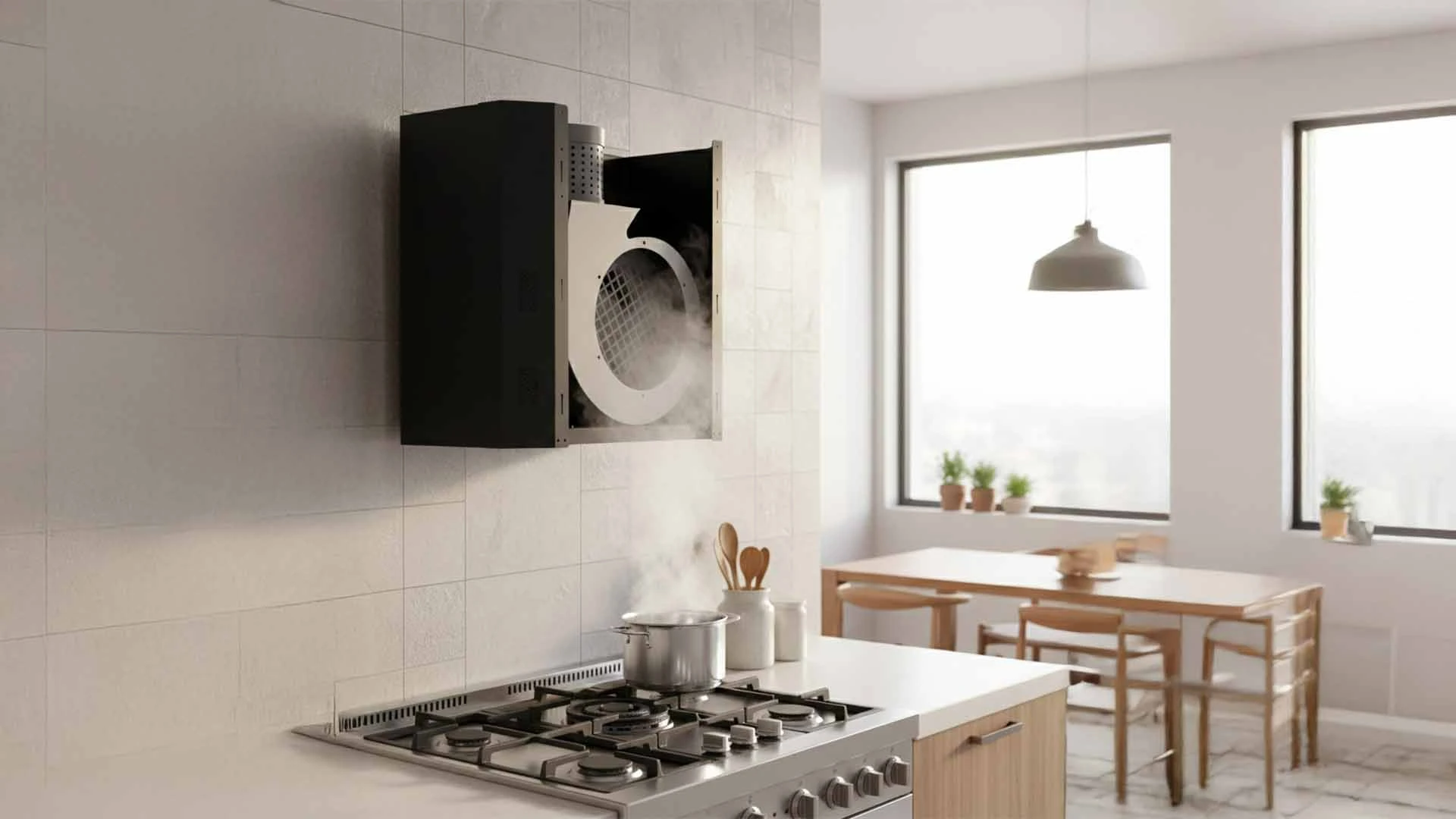
Your kitchen is the heart of your home, but it might also be one of the most polluted rooms in your house. Every time you cook, you release a cocktail of harmful particles, gases, and odors into the air. Without proper ventilation, these pollutants can affect your family's health and comfort. The good news? Installing the right kitchen ventilation system can transform your cooking space into a healthier, more pleasant environment. Understanding the benefits of kitchen ventilation is the first step toward creating a cleaner, safer kitchen for your family.
Poor kitchen air quality is a silent threat that many homeowners overlook. When you cook without adequate ventilation, harmful pollutants accumulate in your kitchen and spread throughout your home. These invisible dangers include particulate matter from frying, nitrogen dioxide from gas burners, and volatile organic compounds that can trigger respiratory problems. The impact on your family's health can be significant. Children and elderly family members are particularly vulnerable to poor indoor air quality kitchen conditions. Long-term exposure to cooking fumes has been linked to respiratory issues, allergies, and even cardiovascular problems. Without proper kitchen ventilation, you're essentially trapping these harmful substances in your living space.
Beyond health concerns, inadequate ventilation affects your home's condition. Grease particles settle on surfaces, making cleaning more difficult and potentially damaging your kitchen finishes. Excess moisture from cooking can lead to mold growth and structural damage over time.
Every cooking method produces different types of pollutants that compromise your kitchen's air quality. Understanding what you're breathing helps you appreciate why effective ventilation systems are essential for maintaining a healthy cooking environment. When you fry foods, tiny particles of oil and food debris become airborne. These particles can remain suspended in the air for hours without proper ventilation. Gas stoves produce nitrogen dioxide, a colorless gas that can irritate your lungs and worsen asthma symptoms. Even simple tasks like boiling water create steam that increases humidity levels and can promote mold growth.
Without adequate kitchen exhaust systems, pollutants don't stay confined to your kitchen. Air currents carry these contaminants to other rooms, affecting the air quality throughout your entire home. This is why you might smell last night's dinner in your bedroom or notice grease buildup in unexpected places.
Different cooking methods produce specific types of pollutants. Grilling and high-heat cooking generate the most particulate matter. Baking typically produces fewer pollutants, but still releases moisture and odors. Understanding these patterns helps you use your ventilation system more effectively.
Investing in proper kitchen ventilation delivers multiple advantages that extend far beyond simply removing cooking fumes. These systems provide comprehensive solutions for maintaining a healthier, more comfortable cooking environment. The most immediate benefit is the elimination of harmful pollutants at their source. Quality ventilation systems capture and remove dangerous particles before they can circulate throughout your home. This direct removal significantly reduces your family's exposure to potentially harmful substances.
Effective ventilation systems remove cancer-causing compounds that form during high-heat cooking. They also capture fine particulate matter that can penetrate deep into your lungs and cause respiratory irritation.
Cooking generates significant amounts of steam and moisture. Without proper ventilation, this excess humidity creates ideal conditions for mold and mildew growth. Quality kitchen exhaust systems remove this moisture, protecting your cabinetry and preventing costly damage.
Strong cooking odors can linger for days without adequate ventilation. Professional-grade systems eliminate these odors immediately, preventing them from spreading to other areas of your home. This is particularly important when cooking aromatic foods or using strong spices.
Cooking generates substantial heat, especially during summer months. Effective ventilation removes this excess heat, keeping your kitchen comfortable and reducing the strain on your air conditioning system.
Grease particles from cooking settle on every surface in your kitchen. Proper ventilation captures these particles before they can accumulate, making cleaning easier and protecting your appliances and finishes from damage.
Quality ventilation systems don't just remove cooking pollutants; they improve air circulation throughout your kitchen. This continuous air movement helps maintain fresher, cleaner air for your entire family.
Modern ventilation systems are attractive features that potential buyers value. They also reduce the workload on your HVAC system, potentially lowering energy costs and extending equipment life.
Choosing the right ventilation system depends on your kitchen layout, cooking habits, and budget. Each type offers specific advantages and works best in particular situations. Range hood benefits make them the most popular choice for most kitchens. These systems mount directly above your cooking surface, providing targeted removal of pollutants at their source. Under-cabinet models save space while providing effective ventilation for standard cooktops.
Wall-mounted range hoods offer powerful ventilation for kitchens with cooktops against exterior walls. Island hoods provide 360-degree coverage for kitchen islands but require more complex installation. Downdraft systems work well in open kitchen designs where traditional hoods might obstruct sightlines.
Ceiling-mounted exhaust fans provide general ventilation for the entire kitchen space. Window exhaust fans offer an economical solution for smaller kitchens. Inline exhaust fans can be installed in ductwork for quieter operation.
Strategic window placement can supplement mechanical ventilation systems. Cross-ventilation techniques use natural air currents to remove pollutants. However, natural ventilation alone is rarely sufficient for modern cooking needs.
Selecting appropriate ventilation requires careful consideration of your kitchen's size, layout, and your cooking patterns. The key is matching the system's capacity to your specific needs. CFM (cubic feet per minute) ratings indicate how much air a system can move. As a general rule, you need 100 CFM for every 10,000 BTUs of cooking power. However, kitchen size, ceiling height, and cooking frequency also influence requirements.
For electric cooktops, multiply the linear footage by 100 CFM. Gas ranges require higher CFM ratings due to combustion byproducts. Professional-style ranges need even more powerful ventilation to handle their higher heat output.
Ducted systems provide superior performance but require exterior venting. Ductless options work where ducting isn't feasible but require regular filter replacement. Professional installation ensures optimal performance and code compliance.
Regular maintenance keeps your ventilation system operating effectively. Replace or clean filters according to manufacturer recommendations. Clean grease buildup from hoods and ducts to maintain airflow and prevent fire hazards.
Even the best ventilation system won't perform optimally without proper use and maintenance. Understanding how to operate your system effectively ensures you receive maximum benefits of kitchen ventilation. Start your ventilation system before you begin cooking and let it run for several minutes after finishing. This ensures complete removal of pollutants and odors. Use appropriate fan speeds for different cooking methods – higher speeds for frying and grilling, lower speeds for simmering.
Combine mechanical ventilation with other air purification kitchen strategies. Open windows when weather permits to provide fresh air intake. Use lids on pots and pans to reduce steam and splatter.
Undersized systems can't handle your kitchen's ventilation needs effectively. Running the system only while actively cooking doesn't allow sufficient time to clear all pollutants. Neglecting regular maintenance reduces system efficiency and lifespan.
If your system isn't removing odors effectively, check for blocked filters or ducts. Unusual noises might indicate worn components that need replacement. Reduced airflow often signals maintenance needs or system upgrades.
Kitchen ventilation removes harmful cooking fumes, controls moisture, eliminates odors, maintains comfortable temperatures, protects surfaces from grease, improves overall air quality, and increases home value.
Kitchen vents are crucial for maintaining healthy indoor air quality. They remove pollutants at the source, preventing them from circulating throughout your home and affecting your family's health.
While windows provide some natural ventilation, they're insufficient for modern cooking needs. Mechanical ventilation systems provide consistent, reliable pollutant removal regardless of weather conditions.
Range hoods are generally more effective because they capture pollutants directly at the cooking surface. Kitchen exhaust fans provide general ventilation but may not capture all cooking-related pollutants.
Run your ventilation system before cooking begins and for 10-15 minutes after finishing. For heavy cooking or frying, extend runtime to ensure complete pollutant removal.
Yes, poor kitchen ventilation can cause respiratory irritation, worsen asthma symptoms, and contribute to long-term health problems from exposure to cooking pollutants and excess moisture.
Investing in proper kitchen ventilation is one of the most important steps you can take to protect your family's health and maintain a comfortable cooking environment. The benefits of kitchen ventilation extend far beyond odor removal – they include protecting your health, preserving your home's condition, and enhancing your overall quality of life. Whether you choose a powerful range hood, efficient exhaust fan, or comprehensive ventilation system, the key is selecting equipment that matches your cooking needs and kitchen layout. With proper installation and maintenance, quality ventilation systems provide years of reliable service, ensuring your kitchen remains a healthy, pleasant space for preparing meals and gathering with family.
