

How Kitchen Ventilation Protects Your Health Now
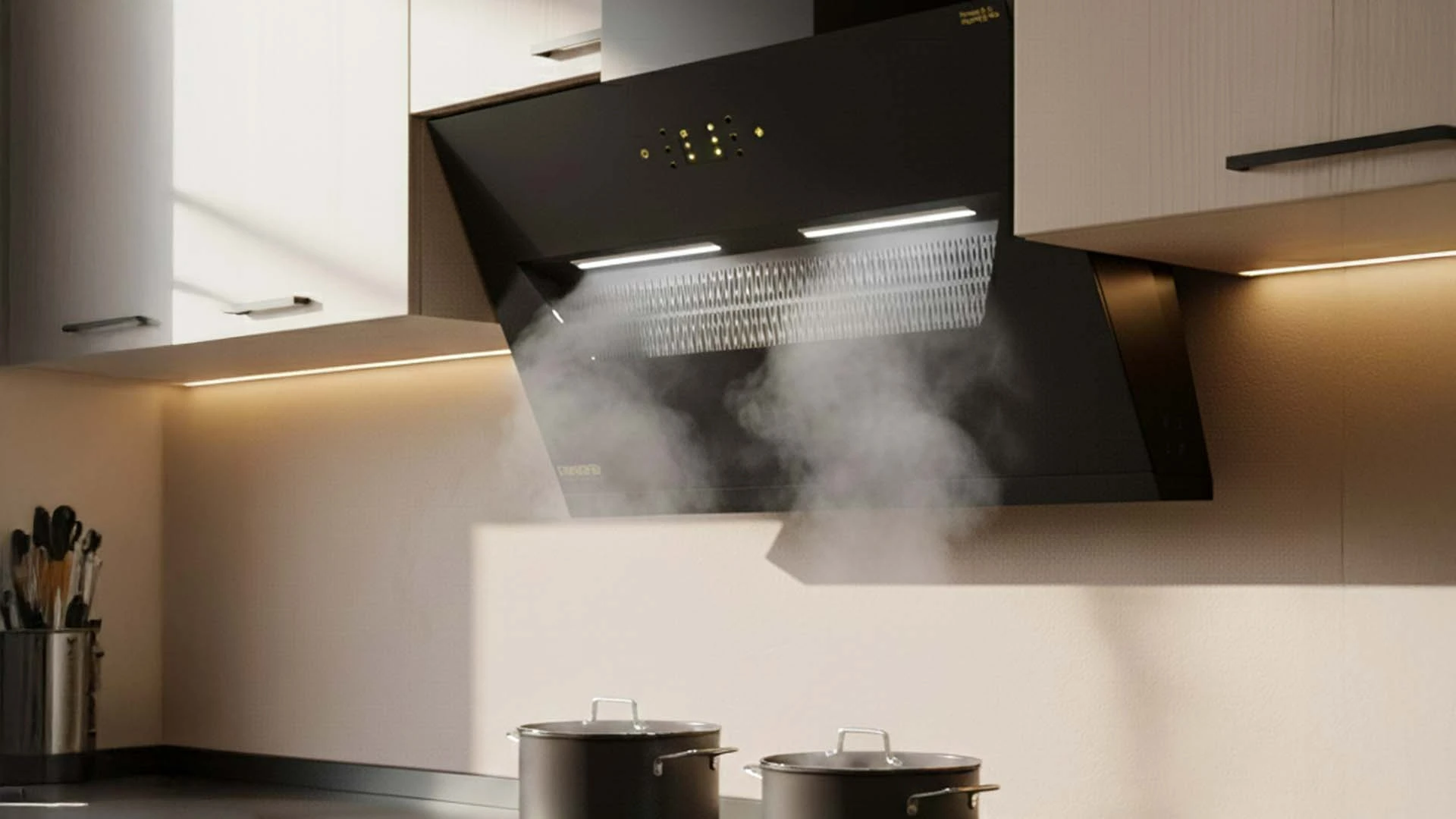
Your kitchen might be silently harming your family's health every single day. While you focus on preparing nutritious meals, invisible cooking fumes are filling your home with dangerous pollutants that can trigger asthma, cause respiratory problems, and even increase cancer risks. Most homeowners have no idea that their kitchen air contains toxins worse than outdoor pollution. Understanding why kitchen ventilation important isn't just about comfort—it's about protecting your loved ones from serious health threats that build up with every meal you cook.
Your kitchen produces more indoor air pollution than any other room in your home. Every time you cook, you release a cocktail of harmful substances into the air your family breathes. These invisible threats accumulate over time, creating health risks that many families never connect to their cooking habits. The cooking fumes health impact goes far beyond temporary discomfort. Research shows that kitchens without proper ventilation can have air quality worse than busy city streets. This pollution doesn't just disappear when you finish cooking—it lingers in your home for hours, affecting everyone who lives there.
Fine particulate matter, known as PM 2.5, gets released during all cooking methods. These microscopic particles are small enough to penetrate deep into your lungs and even enter your bloodstream. Gas stoves produce nitrogen dioxide, a toxic gas that can trigger asthma attacks and reduce lung function. When oils heat up, they release volatile organic compounds (VOCs) that can cause headaches, dizziness, and long-term health problems.
Proper kitchen ventilation acts as your family's shield against these invisible health threats. The kitchen ventilation benefits extend far beyond removing cooking odors—they create a safer environment for everyone in your home. Understanding these benefits helps you make informed decisions about protecting your family's wellbeing. Effective ventilation systems work by capturing pollutants at their source and removing them before they can spread throughout your home. This immediate action prevents the accumulation of harmful substances that would otherwise build up in your living spaces.
High-heat cooking methods like frying and grilling produce carcinogenic compounds that proper ventilation eliminates before you can inhale them. These systems reduce respiratory irritation that leads to coughing, throat discomfort, and breathing difficulties. Long-term exposure to cooking fumes without ventilation can cause permanent lung damage, making proper airflow essential for your family's future health.
Ventilation maintains healthy oxygen levels during cooking by removing carbon dioxide and other gases that displace fresh air. It prevents moisture buildup that creates perfect conditions for mold and bacteria growth. By reducing allergen concentration in cooking areas, proper ventilation helps family members with sensitivities breathe easier and feel more comfortable.
Temperature regulation through ventilation creates safer cooking environments, especially during summer months or extended cooking sessions. This prevents heat exhaustion and dehydration that can occur in poorly ventilated kitchens. Better air circulation also improves your comfort and cooking performance, making meal preparation more enjoyable.
Airborne grease particles settle on surfaces throughout your home without proper ventilation, creating slip hazards and unsanitary conditions. Removing these particles also reduces fire safety risks by preventing grease buildup on surfaces and in air ducts. This protection extends beyond health to include your family's physical safety.
Range hoods serve as your kitchen's primary defense system against airborne pollutants. The importance of range hoods becomes clear when you understand how they capture and remove harmful substances before they can spread throughout your home. These systems work most effectively when properly sized and positioned for your specific cooking needs. Modern range hoods offer sophisticated features that go beyond basic exhaust functions. They include multiple fan speeds, automatic sensors, and advanced filtration systems designed to address different types of cooking pollution.
Different pollutants require different capture and removal rates, which is why kitchen exhaust fan uses vary based on your cooking habits. CFM (cubic feet per minute) requirements depend on your kitchen size, with larger spaces needing more powerful systems. Proper installation height and positioning ensure maximum effectiveness—typically 24-30 inches above gas cooktops and 20-24 inches above electric surfaces.
Kitchen air purification involves multiple filtration layers that address different types of pollutants. Grease filters capture oil particles and food debris, while charcoal filters absorb odors and chemical compounds. Ducted systems provide superior performance by completely removing polluted air, while ductless systems filter and recirculate air back into the kitchen. Smart ventilation features automatically adjust fan speeds based on cooking activity and air quality sensors.
Selecting the appropriate ventilation system for kitchen depends on your home's layout, cooking habits, and specific health concerns. Different systems offer varying levels of protection, and understanding these differences helps you make the best choice for your family's needs. Proper system selection involves considering factors like kitchen size, ceiling height, cooking frequency, and the types of foods you prepare most often. Each system type has specific advantages for different situations.
Under-cabinet range hoods fit seamlessly into most kitchen designs while providing effective pollutant capture for standard cooking activities. Wall-mounted exhaust systems offer powerful performance for heavy cooking and can handle larger volumes of air. Island and downdraft ventilation systems work well for open kitchen designs, though they may be less effective at capturing rising heat and smoke.
Sizing calculations ensure proper air exchange rates—typically 15 air changes per hour for optimal health protection. Placement strategies focus on capturing pollutants at their source, with the hood extending beyond the cooking surface on all sides. Integration with HVAC systems prevents negative pressure that can draw pollutants from other areas of your home.
Mechanical ventilation becomes essential in windowless kitchens, requiring more powerful exhaust systems to maintain healthy kitchen air. Makeup air considerations ensure proper air balance, preventing backdrafting of combustion appliances. Code compliance and safety standards provide minimum requirements, though exceeding these standards offers better health protection.
Removing cooking odors involves more than eliminating unpleasant smells—it's about addressing the chemical compounds that create health risks. Persistent odors indicate inadequate ventilation that allows harmful substances to accumulate in your home. Understanding this connection helps you recognize when your current ventilation system isn't providing adequate health protection. The chemical compounds behind cooking odors often include the same substances that pose health risks. Addressing odor problems typically solves air quality issues simultaneously.
Persistent cooking odors signal poor ventilation that allows harmful particles and gases to remain in your home's air. Chemical compounds behind common cooking smells include aldehydes, ketones, and other organic compounds that can cause respiratory irritation. Long-term exposure to these aromatics can sensitize individuals to certain foods and cooking methods.
Daily ventilation habits include running exhaust fans before, during, and after cooking to maintain optimal air quality in home. Seasonal adjustments account for changes in outdoor air quality and weather conditions that affect ventilation effectiveness. Warning signs that your current ventilation isn't protecting your health include lingering odors, visible smoke or steam, and family members experiencing respiratory symptoms during or after cooking.
Your kitchen's air quality in home affects every room through natural air circulation patterns. Poor kitchen ventilation allows pollutants to spread throughout your living spaces, impacting air quality in bedrooms, living rooms, and other areas where your family spends time. This whole-house impact makes kitchen ventilation a critical component of your home's overall health environment. Open-concept homes face particular challenges because cooking pollutants can quickly spread to living and dining areas. Understanding these circulation patterns helps you implement effective ventilation strategies.
Air circulation patterns carry cooking pollutants through doorways, hallways, and HVAC systems to other rooms. The impact on bedrooms and living areas can be significant, especially in homes with poor overall ventilation. Open-concept homes require more powerful kitchen ventilation because pollutants have direct access to living spaces without barriers.
Children show increased sensitivity to cooking fumes due to their developing respiratory systems and higher breathing rates. Elderly family members may experience more severe reactions to air pollutants due to compromised immune systems or existing health conditions. Pregnancy requires special attention to cooking air quality safety, as some pollutants can affect fetal development.
Ventilation removes harmful pollutants that cooking produces, including fine particles, toxic gases, and chemical compounds that can cause respiratory problems, trigger asthma, and increase cancer risks. It also controls moisture, prevents mold growth, and maintains comfortable temperatures during cooking.
Yes, kitchen ventilation is essential for health and safety. Building codes require ventilation in most areas, and the health necessity becomes clear when you understand that cooking produces more indoor air pollution than any other household activity.
Good kitchen ventilation removes toxic cooking fumes, controls moisture and mold, maintains comfortable temperatures, eliminates fire hazards from grease buildup, and protects vulnerable family members from respiratory irritation and long-term health problems.
Kitchen vents capture and remove pollutants at their source, preventing harmful substances from spreading throughout your home. They protect your family's respiratory health by eliminating fine particles, toxic gases, and chemical compounds that cooking produces.
Poor ventilation allows cooking pollutants to accumulate, causing coughing, throat irritation, breathing difficulties, and asthma attacks. Long-term exposure can lead to reduced lung function, increased infection risk, and potential development of chronic respiratory conditions.
High-heat cooking methods like frying, grilling, and searing produce the most pollutants and require powerful ventilation. Gas cooking produces more toxic gases than electric, while oil-based cooking creates more particles than water-based methods.
Protecting your family's health starts with understanding that kitchen ventilation isn't optional—it's essential. Every meal you cook without proper ventilation exposes your loved ones to harmful pollutants that can cause immediate discomfort and long-term health problems. Investing in effective kitchen ventilation systems provides immediate benefits and protects your family's respiratory health for years to come. The evidence is clear: proper kitchen ventilation significantly improves indoor air quality kitchen environments and reduces health risks associated with cooking. Whether you choose Android Chimneys, T-Shaped Chimneys, or other ventilation solutions, the important thing is taking action to protect your family's health. Your kitchen should be a place of nourishment and joy, not a source of health concerns that could be easily prevented with proper ventilation.
