

Essential Cooktop Ventilation Checklist: Must-Know Tips
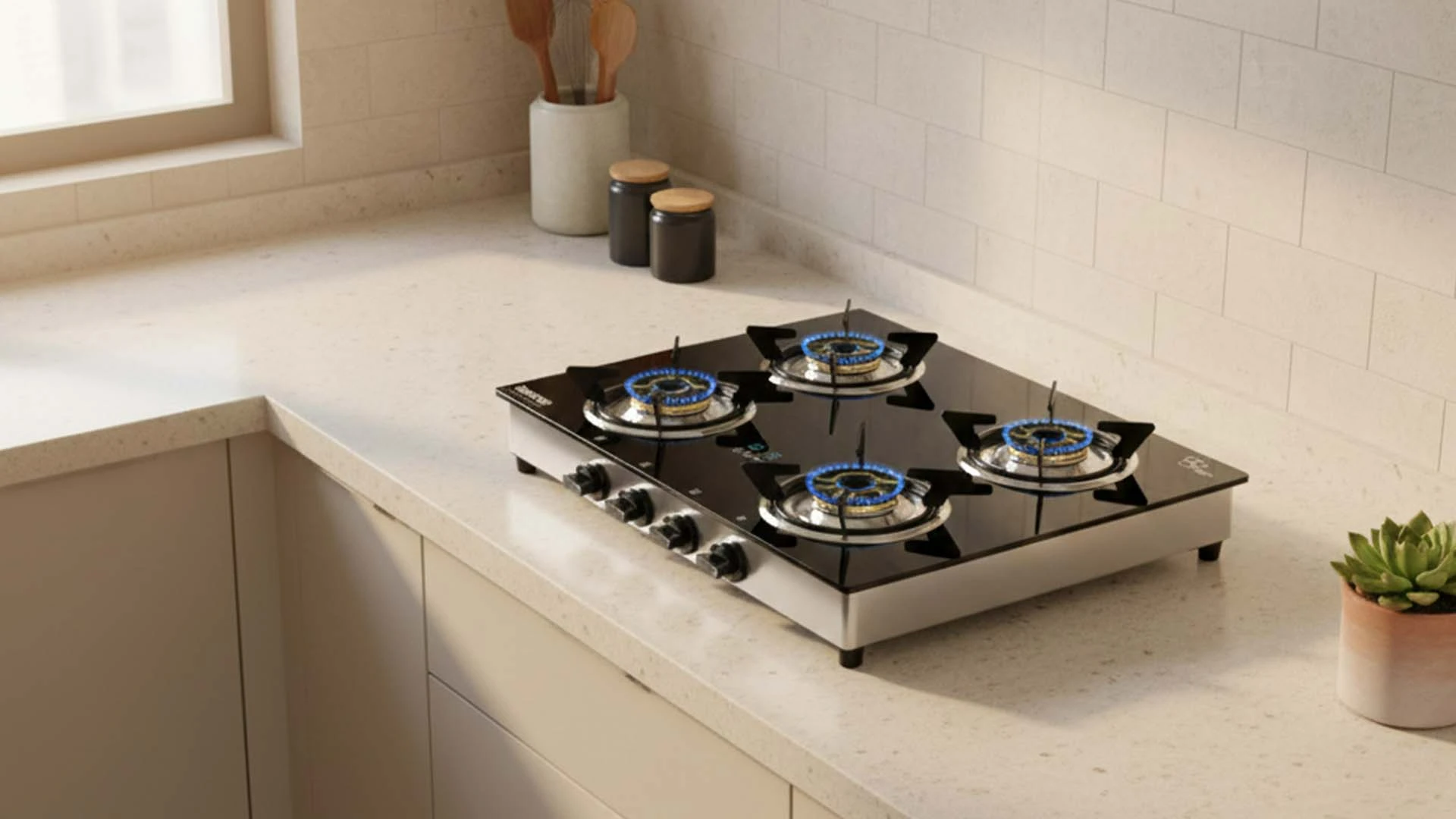
Proper cooktop ventilation is one of the most critical aspects of kitchen design that homeowners often overlook until it's too late. Whether you're installing a new cooktop or upgrading your existing kitchen, understanding cooktop ventilation requirements ensures both safety and compliance with building codes. Poor ventilation can lead to grease buildup, lingering odors, moisture damage, and even health hazards from cooking pollutants. This comprehensive checklist covers everything you need to know about selecting, sizing, and installing the right ventilation system for your kitchen.
Building codes establish minimum standards for kitchen ventilation to protect both homeowners and property values. The International Residential Code (IRC) serves as the foundation for most local regulations, though specific requirements can vary significantly by region. Most jurisdictions require mechanical ventilation capable of producing at least 100 cubic feet per minute (CFM) for kitchens. However, this baseline often proves insufficient for modern cooking habits and high-performance cooktops. Ventilation regulations typically mandate higher CFM ratings based on cooktop size, BTU output, and installation type.
Always check with your local building department before installation. Some areas require permits for ventilation work, especially when modifying ductwork or electrical systems. Coastal regions may have additional requirements for corrosion-resistant materials.
Certain installations mandate professional contractors, particularly for gas line work, major electrical modifications, or structural changes. High-CFM systems often require makeup air provisions, which typically need professional design and installation.
Selecting the appropriate ventilation system depends on your kitchen layout, cooking habits, and budget considerations. Each system type offers distinct advantages and installation requirements. Range hood requirements vary significantly between under-cabinet, wall-mounted, and island configurations. Under-cabinet hoods work well for standard installations but may limit storage space. Wall-mounted hoods offer powerful ventilation for larger cooktops, while island hoods require ceiling mounting and often need higher CFM ratings due to cross-drafts.
Downdraft ventilation provides an alternative when overhead hoods aren't practical. Pop-up downdraft systems retract when not in use, maintaining clean sight lines across kitchen islands. Built-in downdraft systems integrate directly behind or beside the cooktop.
Ducted systems exhaust air directly outside, providing superior grease and odor removal. Recirculating systems filter air through charcoal filters before returning it to the kitchen. While ducted systems perform better, recirculating units work when exterior venting isn't feasible.
Hood vent sizing requires careful calculation based on your cooktop's specifications and kitchen layout. Undersized ventilation systems fail to capture cooking pollutants effectively, while oversized systems waste energy and create excessive noise. The basic sizing formula uses BTU output: divide your cooktop's total BTU rating by 100 to determine minimum CFM requirements. For example, a 60,000 BTU cooktop needs at least 600 CFM. However, this represents the absolute minimum – most professionals recommend 25-50% higher capacity for optimal performance.
Your hood should extend at least 3 inches beyond each side of the cooktop for proper capture. Cooktop clearance requirements mandate specific height distances: 24-30 inches above electric cooktops and 30-36 inches above gas units. Island installations often require 36-42 inches due to cross-drafts.
Systems exceeding 400 CFM typically require makeup air to prevent negative pressure problems. Without adequate makeup air, your home may experience backdrafting in fireplaces, water heater venting issues, or difficulty opening exterior doors.
Ventilation hood installation involves multiple trades and careful planning to ensure code compliance and optimal performance. Proper installation prevents future problems and maximizes your investment. Ductwork planning represents the most critical installation aspect. Plan the shortest, straightest route to the exterior with minimal bends. Each 90-degree elbow reduces airflow by approximately 25 feet of straight duct. Use smooth-walled metal ducts rather than flexible or plastic alternatives.
Most range hoods require dedicated electrical circuits, especially high-CFM models with lighting and variable speed controls. GFCI protection may be required depending on local codes and proximity to water sources. Structural support becomes critical for heavy hoods or ceiling-mounted island units. Wall-mounted hoods need secure anchoring into wall studs, while island hoods may require additional ceiling reinforcement.
Proper exterior termination prevents weather infiltration and pest entry. Wall caps should include backdraft dampers and weather protection. Roof vents require proper flashing and may need professional installation to maintain warranty coverage.
Effective cooktop ventilation significantly impacts kitchen air quality and overall home health. Cooking generates various pollutants including grease particles, combustion byproducts, and volatile organic compounds. Gas cooktops produce carbon monoxide, nitrogen dioxide, and other combustion gases that require immediate removal. Even electric cooktops generate particulates and odors that affect indoor air quality. Proper ventilation removes these contaminants before they spread throughout your home.
Balance ventilation power with acceptable noise levels. Sone ratings indicate sound output – look for units under 6 sones for comfortable operation. Variable speed controls allow quiet operation during light cooking and full power when needed.
ENERGY STAR certified models offer improved efficiency without sacrificing performance. LED lighting, variable speed motors, and automatic shut-off features reduce operating costs while maintaining effectiveness.
Many homeowners make costly mistakes when planning cooktop exhaust systems. Understanding these common errors helps ensure successful installation and long-term satisfaction. Undersized systems represent the most frequent mistake. Many people choose hoods based on appearance rather than performance requirements. Calculate CFM needs carefully and consider your actual cooking habits, not just minimum code requirements.
Poor ductwork design severely impacts performance regardless of hood quality. Avoid excessive bends, undersized ducts, or improper materials. Flexible ducts should be limited to final connections only.
Incorrect mounting heights create safety hazards and reduce effectiveness. Too low creates fire risks and head-bumping hazards. Too high reduces capture efficiency and allows pollutants to escape.
Regular filter cleaning and replacement maintains performance and prevents fire hazards. Grease filters need monthly cleaning, while charcoal filters in recirculating units require replacement every 3-6 months.
Calculate 100 CFM per linear foot of cooktop width, or 1 CFM per 100 BTU for gas cooktops. Add 25-50% for optimal performance. Island installations typically need 150 CFM per linear foot due to cross-drafts.
Most building codes require mechanical ventilation for kitchens, though specific requirements vary by location. Some areas accept operable windows as alternative ventilation, but mechanical systems provide superior performance.
Recirculating hoods are permitted in most areas but provide less effective pollutant removal. They work best for light cooking and when exterior venting isn't feasible due to structural limitations.
Electric cooktops require 24-30 inches minimum clearance, while gas cooktops need 30-36 inches. Island installations often require 36-42 inches. Always check manufacturer specifications and local codes.
Systems over 400 CFM typically require makeup air to prevent negative pressure problems. High-performance homes with tight construction may need makeup air for lower CFM ratings.
Proper cooktop ventilation protects your investment in kitchen appliances while ensuring family health and safety. Take time to calculate requirements accurately, plan installation carefully, and maintain your system regularly. When in doubt, consult with professionals who understand local codes and installation best practices. Remember that quality ventilation systems provide years of reliable service when properly selected and installed.
