

Essential Cooking Smoke Ventilation Tips Checklist for Your Kitchen
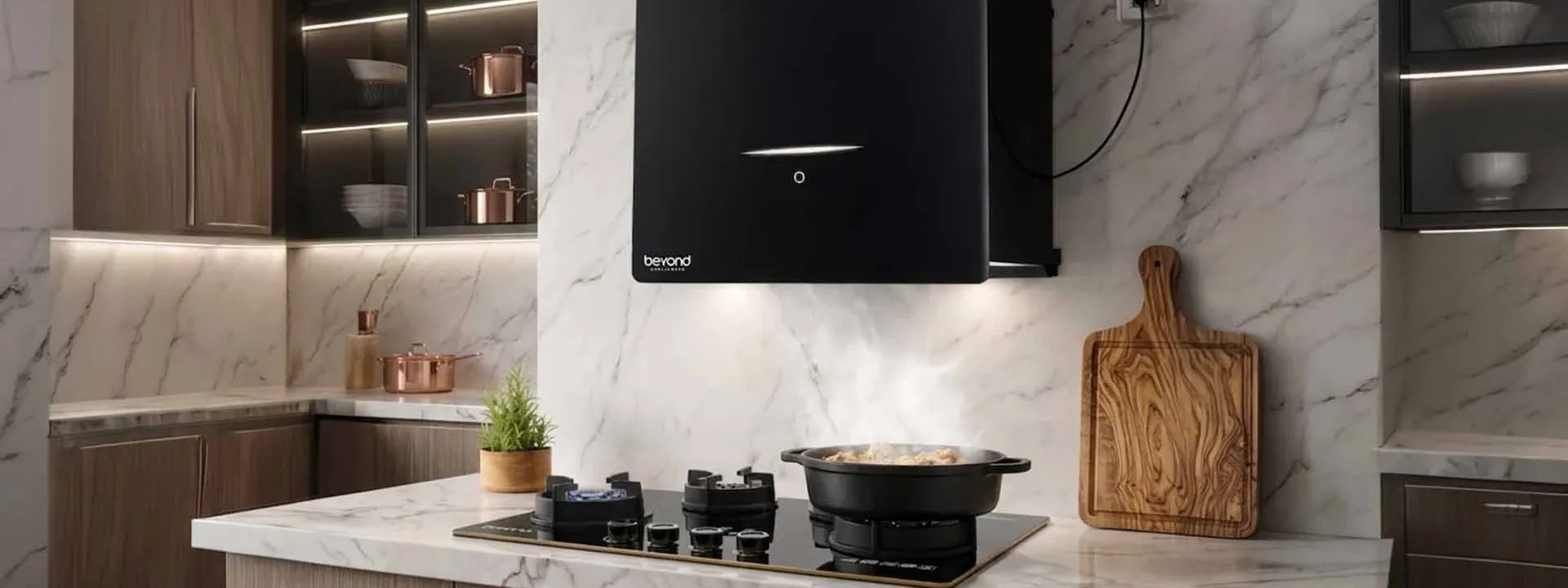
Cooking smoke and fumes can quickly turn your kitchen into an uncomfortable space, affecting both your health and the air quality throughout your home. Poor ventilation during cooking leads to lingering odors, grease buildup on surfaces, and potentially harmful indoor air pollution. Whether you're searing steaks, stir-frying vegetables, or simply boiling water, implementing proper cooking smoke ventilation tips ensures your kitchen remains a pleasant and healthy environment for meal preparation.
Your kitchen generates more air pollutants than any other room in your home during cooking activities. These pollutants include nitrogen dioxide, carbon monoxide, and fine particulate matter that can cause immediate discomfort and long-term health issues.
Gas stoves release carbon monoxide, a colorless and odorless gas that can cause headaches, dizziness, and fatigue even at low concentrations. Without adequate kitchen ventilation, these gases accumulate and create an unhealthy cooking environment that affects your family's wellbeing.
Cooking fumes contain volatile organic compounds (VOCs) that irritate your respiratory system. Regular exposure to these compounds without proper ventilation can trigger asthma attacks, cause persistent coughing, and lead to chronic respiratory problems. High-heat cooking methods like frying and grilling produce the highest levels of these harmful emissions.
Proper ventilation systems remove these pollutants before they spread throughout your home. Studies show that homes with effective kitchen ventilation have significantly better indoor air quality and lower rates of respiratory complaints among residents.
Modern kitchens offer several ventilation solutions, each designed for specific cooking styles and kitchen layouts. Understanding these options helps you choose the most effective system for your cooking needs and kitchen design.
Range hood systems provide the most comprehensive solution for cooking smoke removal. These units mount directly above your cooking surface and actively draw smoke, steam, and odors away from your cooking area through powerful exhaust fans.
Wall-mounted range hoods attach directly to the wall above your cooktop and work well for kitchens with standard layouts. Island range hoods suspend from the ceiling and provide ventilation for cooking surfaces located on kitchen islands.
Under-cabinet range hoods fit beneath existing cabinetry and offer a space-saving solution for smaller kitchens. These units provide effective ventilation while maintaining your kitchen's aesthetic appeal.
Proper placement of your kitchen extractor fan significantly impacts its effectiveness. Mount range hoods 24 to 30 inches above gas cooktops and 20 to 24 inches above electric cooktops for optimal performance.
The fan should extend at least 3 inches beyond each side of your cooking surface to capture all cooking emissions effectively. Wider coverage areas provide better smoke capture during high-heat cooking.
Ducted systems vent cooking emissions directly outside your home through dedicated ductwork. These systems provide superior smoke removal and completely eliminate cooking odors from your indoor environment.
Ductless systems filter air through charcoal and grease filters before recirculating it back into your kitchen. While less effective than ducted systems, they work well in apartments or homes where external venting isn't possible.
Portable air purifier units complement your primary ventilation system by capturing fine particles that escape your range hood. Place these units strategically around your kitchen to create multiple layers of air cleaning.
High-efficiency particulate air (HEPA) filters in air purifiers remove 99.97% of particles larger than 0.3 microns, including cooking smoke particles and grease aerosols.
Proper ventilation installation requires careful planning and precise execution to ensure maximum effectiveness. Professional installation guarantees your system operates at peak performance and complies with local building codes.
Calculate the required cubic feet per minute (CFM) rating by multiplying your cooktop's BTU output by 0.1 for gas stoves or using 100 CFM per linear foot of cooking surface for electric cooktops. Higher CFM ratings provide better ventilation for heavy cooking.
Straight ductwork runs provide the most efficient airflow, while each 90-degree turn reduces system efficiency by approximately 25 CFM. Minimize turns and use smooth, rigid ducting materials for optimal performance.
Duct diameter should match your range hood's outlet size, typically 6 to 10 inches for residential applications. Larger ducts reduce air resistance and allow your system to operate more quietly and efficiently.
Clean grease filters monthly or after every 30 hours of cooking to maintain proper airflow. Replace charcoal filters in ductless systems every 3 to 6 months, depending on cooking frequency and intensity.
Professional ductwork cleaning every 2 to 3 years removes accumulated grease and debris that reduces system efficiency and creates fire hazards.
Effective smoke removal requires strategic timing and proper technique beyond simply turning on your exhaust fan. These advanced methods maximize your ventilation system's effectiveness and minimize smoke exposure during cooking.
Activate your ventilation system 5 to 10 minutes before you begin cooking to establish proper airflow patterns. This pre-ventilation creates negative pressure that immediately captures smoke and steam as they form.
Low fan speeds work well for simmering, steaming, and other low-heat cooking methods that produce minimal smoke and steam. Medium speeds handle most sautéing, baking, and moderate-heat cooking activities effectively.
High fan speeds become necessary during high-heat cooking methods like searing, grilling, and deep frying that generate significant amounts of smoke and cooking emissions.
Continue running your ventilation system for 10 to 15 minutes after cooking to remove lingering smoke particles and cooking odors. This extended operation prevents these pollutants from settling on surfaces throughout your kitchen.
Gradual fan speed reduction during this period maintains effective air circulation while reducing noise levels as cooking activity decreases.
Control cooking temperatures to minimize smoke production while maintaining food quality. Use medium-high heat instead of maximum heat settings to reduce smoke generation during most cooking tasks.
Choose cooking oils with high smoke points like avocado oil (520°F), refined coconut oil (450°F), or grapeseed oil (420°F) to prevent oil breakdown that creates excessive smoke and harmful compounds.
Kitchen emergencies sometimes overwhelm even the best ventilation systems, requiring immediate action to clear smoke and restore air quality. These emergency protocols help you manage unexpected smoke situations effectively.
Open all available windows and doors to create maximum cross-ventilation when your primary ventilation system becomes overwhelmed. Position box fans in windows to actively pull smoke outside rather than relying on natural air movement alone.
Turn off heat sources immediately to stop additional smoke production. Remove smoking cookware from heat sources and cover with a lid to contain remaining smoke if safe to do so.
Activate all available exhaust fans throughout your home, including bathroom fans, to create whole-house negative pressure that helps draw smoke outside more quickly.
Position portable fans strategically to create airflow patterns that push smoke toward open windows and exhaust points. Place one fan blowing air into the kitchen from an adjacent room and another fan pulling air out through a kitchen window.
Use ceiling fans on high speed to circulate air and prevent smoke from settling in upper areas of your kitchen where it can linger for hours.
Place bowls of white vinegar around your kitchen to neutralize cooking odors naturally. Activated charcoal bags also absorb odors effectively and can be reused after exposure to sunlight.
Simmer a pot of water with lemon slices, cinnamon sticks, or vanilla extract to replace cooking odors with pleasant natural scents once the smoke clears.
Combine multiple ventilation methods for maximum effectiveness. Use your range hood at appropriate speeds, open windows for cross-ventilation, and position portable fans to create directed airflow. Start ventilation before cooking and continue for 15 minutes afterward to completely clear smoke and odors.
Open windows on opposite sides of your kitchen to create cross-ventilation. Run your range hood on high speed and use portable fans to direct smoke toward open windows. Keep ventilation running for 15-20 minutes after cooking stops to remove lingering particles and odors completely.
Control cooking temperatures to prevent oil from reaching its smoke point. Use oils with high smoke points like avocado or grapeseed oil. Keep cookware clean and dry before heating, and avoid overcrowding pans which can cause uneven heating and smoke production.
Yes, cooking fumes contain nitrogen dioxide, carbon monoxide, and volatile organic compounds that can trigger headaches, especially in poorly ventilated kitchens. Gas stoves produce higher levels of these pollutants. Proper ventilation significantly reduces exposure and prevents headache symptoms.
Your range hood should be at least as wide as your cooktop, preferably 6 inches wider on each side. Calculate CFM requirements by multiplying gas cooktop BTUs by 0.1, or use 100 CFM per linear foot for electric cooktops. Higher CFM ratings provide better ventilation for frequent high-heat cooking.
Clean grease filters monthly or after 30 hours of cooking to maintain optimal airflow. Replace charcoal filters in ductless systems every 3-6 months depending on usage. Regular cleaning prevents grease buildup that reduces efficiency and creates fire hazards.
Effective kitchen ventilation protects your family's health while making cooking more enjoyable and comfortable. Implementing these cooking smoke ventilation tips creates a cleaner, safer kitchen environment that enhances your culinary experience.
Remember that proper ventilation requires both the right equipment and correct usage techniques. Regular maintenance of your ventilation systems ensures they continue operating at peak efficiency, providing years of reliable smoke and odor removal for healthier cooking in your home.
