

Essential Checklist: Purify Your Kitchen Air Now
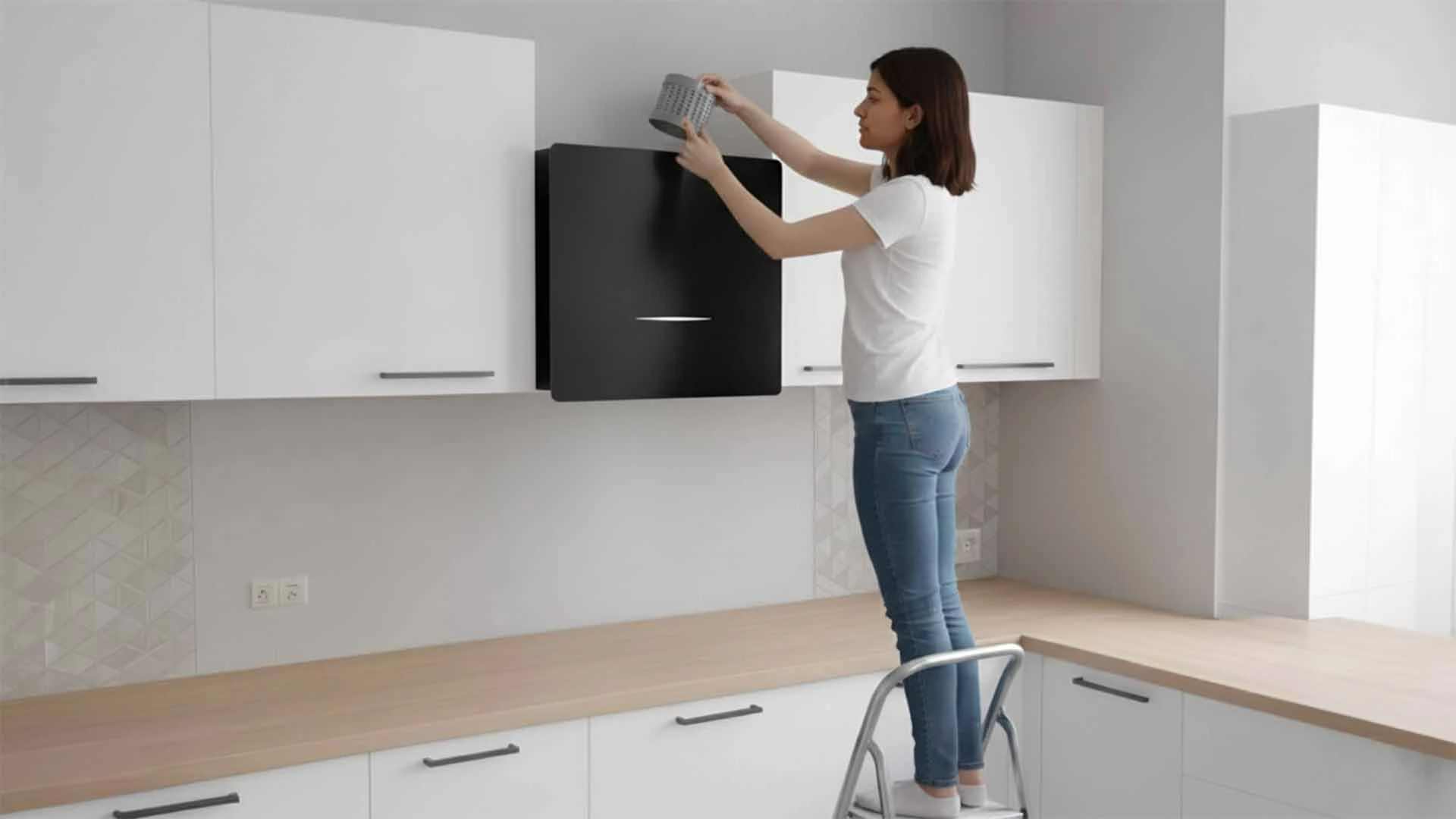
Your kitchen is the heart of your home, but it can also be a hidden source of indoor air pollution. Every time you cook, you release particles, grease, smoke, and chemical compounds into the air. These pollutants don't just create unpleasant odors—they can affect your family's health and comfort. Poor kitchen air quality contributes to respiratory issues, triggers allergies, and can even impact cognitive function over time. The good news is that achieving healthy kitchen air is entirely possible with the right approach and tools.
Kitchen air quality directly impacts your family's daily health and well-being. When you cook, especially at high temperatures, your kitchen generates more indoor air pollution than almost any other room in your home. Cooking fumes contain fine particles, nitrogen dioxide, carbon monoxide, and volatile organic compounds that can linger in your indoor environment for hours. These pollutants pose serious health risks. Short-term exposure can cause eye irritation, headaches, and breathing difficulties. Long-term exposure to poor kitchen air quality has been linked to increased asthma symptoms, cardiovascular problems, and reduced lung function. Children and elderly family members are particularly vulnerable to these effects. Research shows that kitchens without proper ventilation can have particle concentrations up to five times higher than outdoor air pollution levels. Gas cooking produces especially high levels of nitrogen dioxide, while high-heat cooking methods like frying and grilling release the most particles and chemical compounds into your indoor air.
Transforming your kitchen into a healthy environment requires a systematic approach. This comprehensive checklist breaks down your air purification journey into manageable steps that deliver immediate and long-term results.
Start by opening windows on opposite sides of your kitchen to create cross-ventilation. This simple step can reduce cooking fumes by up to 60% during meal preparation. Clean your existing exhaust fan or range hood filters—dirty filters can reduce efficiency by more than half.
Upgrade your kitchen ventilation system if needed. A quality range hood should move at least 100 cubic feet per minute for every linear foot of cooktop. Position natural air purifiers like activated charcoal bags near cooking areas, and add air-purifying plants such as spider plants or peace lilies to corners away from direct heat.
Consider a professional air quality assessment to identify specific pollutant sources. Optimize your HVAC system to work in harmony with kitchen ventilation, and evaluate your kitchen layout for potential airflow improvements. These investments create lasting benefits for your healthy kitchen environment.
Proper kitchen ventilation forms the foundation of achieving healthy kitchen air. Your ventilation system should capture cooking fumes at their source and expel them outside your home, not just recirculate filtered air. Range hoods are the most effective ventilation solution for most kitchens. Choose a hood that extends at least three inches beyond your cooktop on each side and mount it 24-30 inches above gas burners or 20-24 inches above electric cooktops. The best range hood for your kitchen should have variable speed settings and operate quietly at lower speeds for everyday cooking.
Calculate your kitchen's ventilation needs based on your cooking habits and kitchen size. For light cooking, aim for 100 CFM per linear foot of cooktop. Heavy cooking or professional-style ranges require 150-200 CFM per linear foot. Ensure your ductwork can handle the airflow—undersized ducts reduce efficiency and increase noise.
Complement mechanical ventilation with strategic window placement. Open windows before you start cooking to establish airflow patterns. Position exhaust fans to work with natural air currents, pulling contaminated air toward outdoor vents while drawing fresh air through intake points.
Natural methods can significantly reduce kitchen odors and improve air quality without harsh chemicals. Understanding how cooking fumes form helps you prevent them at the source while using natural air purifiers kitchen solutions to clean existing contamination. Cooking fumes contain grease particles, steam, and chemical compounds that bond to surfaces and linger in air. High-heat cooking methods like frying, grilling, and searing produce the most emissions. Reduce cooking fumes by using lower temperatures when possible, covering pans during cooking, and choosing cooking oils with higher smoke points.
Place bowls of white vinegar or baking soda near cooking areas to absorb odors naturally. Coffee grounds work exceptionally well for eliminating strong cooking smells—spread used grounds on a plate and leave them out overnight. Essential oils like lemon, eucalyptus, or tea tree can freshen air when added to diffusers, but use them sparingly to avoid overwhelming sensitive family members.
Certain plants naturally filter indoor air pollutants. Spider plants remove formaldehyde and xylene, while peace lilies filter ammonia and benzene. Position these plants away from direct heat and cooking areas, but within the kitchen's air circulation patterns for maximum benefit.
Modern air filtration technology offers powerful tools for maintaining clean kitchen air naturally and effectively. Understanding different filter types helps you choose the right kitchen air filter system for your specific needs and budget. HEPA filters capture 99.97% of particles 0.3 microns or larger, making them excellent for removing cooking particles and allergens. Activated carbon filters excel at absorbing odors and chemical vapors from cooking. UV-C light systems can eliminate bacteria and viruses, though they're less effective against particles and odors.
Portable air purifiers offer flexibility and can target specific problem areas in your kitchen. Look for units with both HEPA and carbon filtration, sized appropriately for your kitchen's square footage. Integrated systems work through your HVAC system to provide whole-home air cleaning, including your kitchen area.
Smart air quality monitors track particle levels, humidity, and chemical compounds in real-time. These devices help you understand when air quality drops and adjust your ventilation accordingly. Many models connect to smartphone apps, sending alerts when it's time to increase ventilation or replace filters.
Clean range hood filters monthly for average cooking or every two weeks for heavy cooking. Wash metal filters in hot, soapy water or run them through the dishwasher. Replace charcoal filters every 3-6 months, as they cannot be cleaned.
Yes, certain houseplants can improve air quality by filtering common indoor pollutants. However, plants work slowly and should supplement, not replace, proper mechanical ventilation. Choose plants that thrive in kitchen conditions and position them strategically for best results.
Steaming, poaching, and slow cooking produce minimal air pollution. Avoid high-heat methods like deep frying when possible. Use lids on pans to contain steam and particles, and choose cooking oils with high smoke points to reduce harmful emissions.
Signs of poor kitchen air quality include lingering cooking odors, visible smoke or steam, condensation on windows, and family members experiencing eye irritation or breathing difficulties while cooking. Consider an air quality monitor for objective measurements.
Achieving healthy kitchen air requires a combination of proper ventilation, natural purification methods, and smart cooking practices. Start with the immediate actions in our checklist, then gradually implement long-term solutions for lasting results. Remember that good kitchen air quality is an investment in your family's health and comfort. With the right approach and quality appliances, you can create a kitchen environment that supports both delicious cooking and clean, healthy air for everyone to enjoy.
