

Essential Checklist: Fume Removal in Your Kitchen
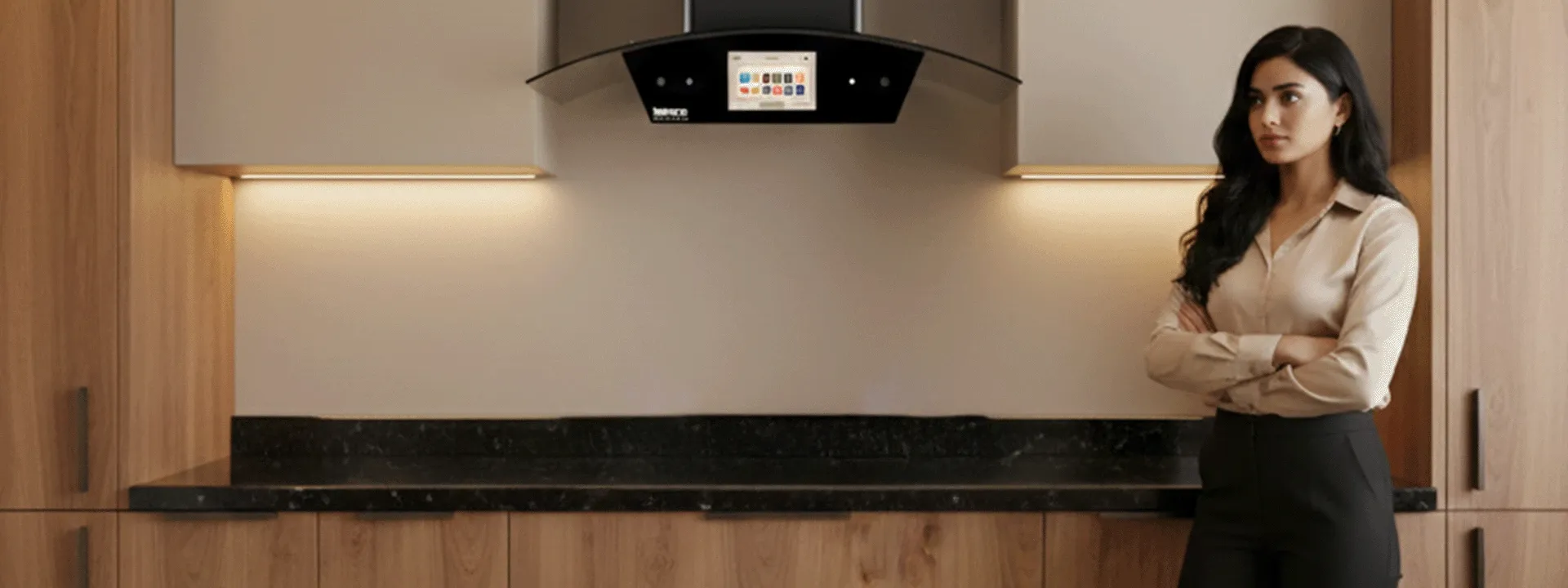
Cooking creates more than just delicious meals—it produces fumes, smoke, and airborne particles that can seriously impact your home's air quality. From sizzling onions to high-heat grilling, every cooking method releases different types of pollutants into your kitchen air. Poor fume extraction doesn't just create unpleasant odors; it can lead to respiratory issues, trigger allergies, and leave greasy residue on surfaces throughout your home. Understanding how to effectively remove these cooking fumes is essential for maintaining a healthy kitchen environment. This comprehensive checklist will guide you through proven tips for fume removal that protect your family's health while keeping your kitchen fresh and clean.
Every time you cook, your kitchen becomes a source of various airborne contaminants that affect indoor air quality. Cooking fumes consist of grease particles, smoke, steam, and chemical vapors released during different cooking processes. High-temperature cooking methods like frying, grilling, and searing produce the most significant amounts of these pollutants. The health risks from poor kitchen ventilation extend beyond temporary discomfort. Prolonged exposure to cooking fumes can irritate your respiratory system, worsen asthma symptoms, and contribute to long-term health issues. Grease particles settle on surfaces, creating sticky films that harbor bacteria and require frequent cleaning. Chemical vapors from overheated oils can cause headaches and eye irritation. Recognizing the signs of inadequate fume extraction helps you address problems before they worsen. Lingering cooking odors hours after meal preparation, visible smoke accumulation, condensation on windows and walls, and frequent respiratory irritation during cooking all indicate your current ventilation system needs improvement.
Kitchen ventilation systems form the backbone of effective fume removal, with range hoods serving as the primary defense against cooking pollutants. Modern ventilation systems use powerful fans to capture and remove contaminated air before it spreads throughout your home. Range hood effectiveness depends on proper sizing, installation height, and airflow capacity measured in cubic feet per minute (CFM). Calculate your kitchen's CFM requirements by multiplying the room's square footage by 2 for light cooking or 4 for heavy cooking. A 200-square-foot kitchen needs between 400-800 CFM depending on your cooking habits.
Ducted range hoods provide superior fume extraction by venting contaminated air directly outside your home. These systems remove pollutants completely rather than recirculating filtered air. Ductless models work well in apartments or homes where exterior venting isn't possible, using filters to clean air before returning it to the kitchen. Install your range hood 24-30 inches above gas cooktops and 20-24 inches above electric surfaces. This positioning ensures optimal capture of rising fumes while providing adequate clearance for cooking. Regular maintenance includes cleaning grease filters monthly and replacing charcoal filters every 3-6 months in ductless units.
Air purification systems complement your primary ventilation by capturing particles that escape your range hood. HEPA filtration technology removes 99.97% of particles larger than 0.3 microns, including fine cooking particles and allergens that contribute to poor indoor air quality. Activated carbon filters excel at odor control, absorbing volatile organic compounds and cooking smells that HEPA filters cannot capture. Combining both filter types creates comprehensive protection against all types of cooking pollutants. Position portable air purifiers strategically around your kitchen to maximize their effectiveness.
UV-C light purification systems destroy bacteria, viruses, and mold spores that may be present in cooking fumes. These systems work continuously to sterilize air passing through your ventilation system. Ionization technology charges particles, making them easier to capture in filters or causing them to settle out of the air more quickly. Smart air quality monitoring integration allows you to track pollution levels in real-time and automatically adjust ventilation settings based on cooking activity. These systems learn your cooking patterns and optimize fume extraction accordingly.
Healthy cooking techniques significantly reduce the amount of fumes your kitchen produces. Lower cooking temperatures prevent oil from reaching its smoke point, dramatically reducing harmful particle production. Steam, poach, and simmer foods when possible instead of frying or grilling at high heat. Choose cooking oils with higher smoke points for high-temperature cooking. Avocado oil (520°F), refined coconut oil (450°F), and grapeseed oil (420°F) produce fewer fumes than butter (350°F) or extra virgin olive oil (375°F). Keep cooking surfaces clean to prevent food residue from burning and creating additional smoke. Use lids on pots and pans to contain steam and reduce the amount of moisture released into your kitchen air. This simple practice also helps food cook more efficiently while minimizing cleanup requirements.
Implementing daily tips for fume removal ensures your kitchen ventilation system operates at peak efficiency. Start your range hood or exhaust fan 5-10 minutes before cooking to establish proper airflow patterns. This preparation helps capture fumes immediately when cooking begins. During cooking, adjust fan speeds based on the intensity of your cooking methods. Use higher speeds for frying, grilling, or any cooking that produces visible smoke. Keep windows slightly open when weather permits to provide fresh air intake and improve overall air circulation. After cooking, continue running your ventilation system for 10-15 minutes to clear remaining particles and odors. Clean spills immediately to prevent them from burning during future cooking sessions. Wipe down surfaces around your cooktop to remove grease particles before they accumulate.
Inadequate airflow often results from dirty filters, blocked ducts, or undersized equipment. Check and clean grease filters monthly, as clogged filters reduce fume extraction efficiency by up to 50%. Inspect ductwork annually for grease buildup or damage that restricts airflow. Excessive noise from ventilation systems usually indicates worn fan motors, loose components, or inadequate duct sizing. Address these issues promptly to maintain effective operation and prevent complete system failure.
Complex ventilation systems installations require professional expertise to ensure proper sizing, ductwork design, and building code compliance. HVAC professionals can assess your kitchen's specific needs and recommend appropriate fume extraction solutions based on cooking habits, kitchen layout, and local regulations. DIY installations work well for simple range hood replacements or portable air purifier additions. Follow manufacturer instructions carefully and verify electrical connections meet safety standards. Consider professional installation for ducted systems, especially those requiring new ductwork or electrical circuits. Cost-benefit analysis should include long-term energy efficiency, maintenance requirements, and health benefits when choosing between different solutions. Professional installations often include warranties and ongoing service support that justify higher initial costs.
The most effective approach combines a properly sized range hood with supplementary air purification. This dual system captures fumes at the source while cleaning any particles that escape the primary ventilation.
Clean metal grease filters monthly in warm, soapy water. Replace charcoal filters in ductless range hoods every 3-6 months depending on cooking frequency. HEPA filters in air purifiers typically last 6-12 months with regular use.
Calculate CFM requirements by multiplying your kitchen's square footage by 2-4, depending on cooking intensity. Add 100 CFM for each linear foot of cooktop width. Most home kitchens need between 300-600 CFM for adequate ventilation.
Simple range hood replacements using existing ductwork and electrical connections are suitable for DIY installation. New installations requiring ductwork, electrical circuits, or structural modifications should be performed by qualified professionals.
Effective fume extraction requires a comprehensive approach that combines proper ventilation equipment, regular maintenance, and smart cooking practices. Start with a correctly sized range hood as your primary defense, then add air purification systems for complete protection. Implement daily maintenance routines to keep your systems operating efficiently, and don't hesitate to seek professional help for complex installations. Remember that investing in quality kitchen ventilation protects your family's health while maintaining a comfortable cooking environment. Regular assessment and upgrades ensure your fume removal systems continue meeting your needs as cooking habits change over time.
