

7 Smart Ways to Eliminate Kitchen Cooking Fumes
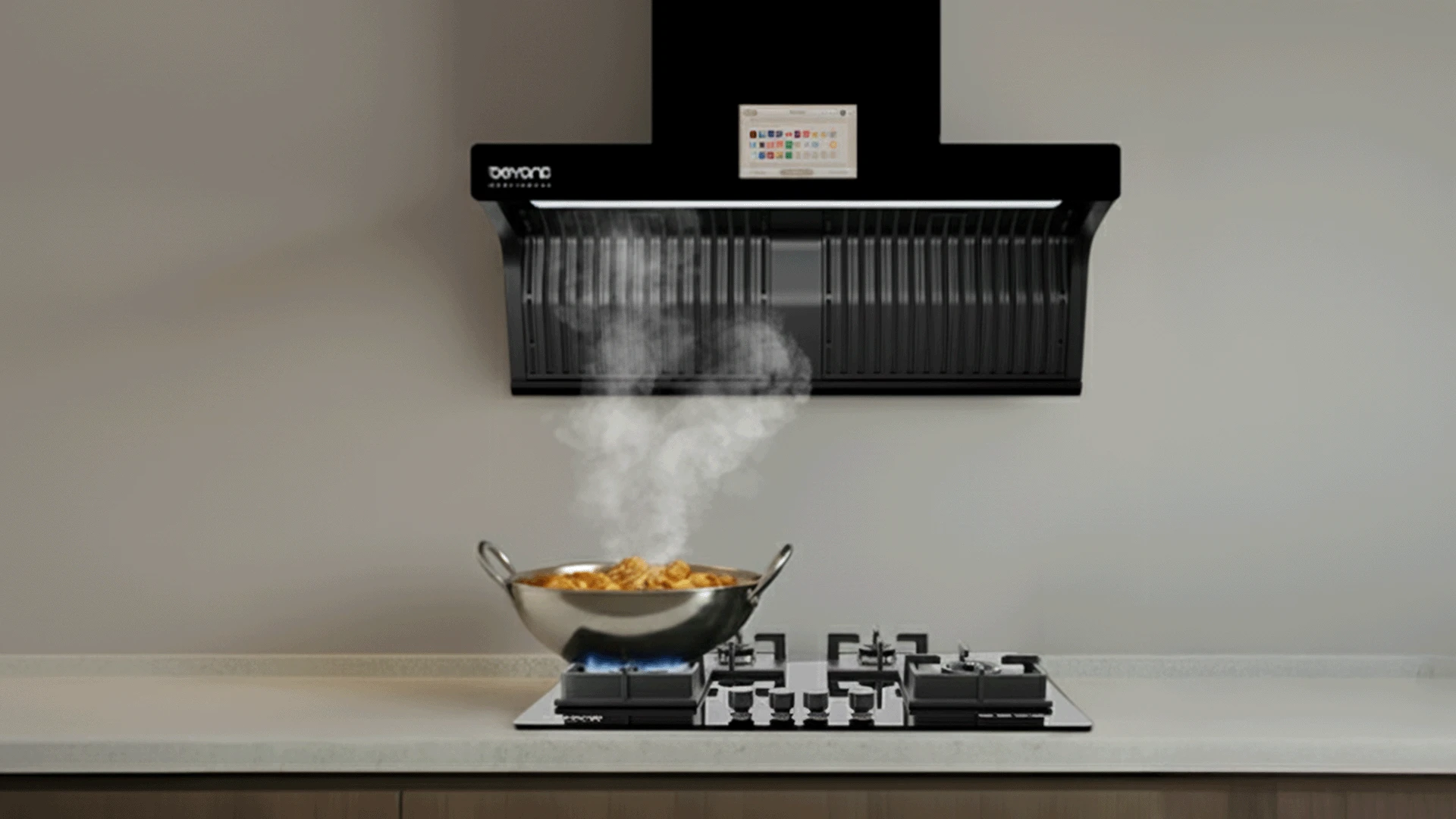
Cooking delicious meals brings joy to every home, but the fumes and odors that come with it can quickly turn your kitchen into an uncomfortable space. Poor modern kitchen fumes removal doesn't just affect comfort—it impacts your family's health and your home's air quality. From grease particles that settle on surfaces to harmful compounds that linger in the air, cooking fumes pose real challenges that every homeowner needs to address. The good news is that with the right combination of techniques and equipment, you can transform your kitchen into a fresh, clean environment where cooking becomes a pleasure again.
Effective cooking fumes removal goes far beyond eliminating unpleasant odors. When you cook, especially at high temperatures, your kitchen releases a complex mixture of particles and gases that can seriously impact indoor air quality kitchen environments. These fumes contain grease particles, volatile organic compounds, and even carcinogenic substances that accumulate over time. Prolonged exposure to cooking fumes can trigger respiratory issues, eye irritation, and headaches. For family members with asthma or allergies, poor kitchen ventilation can worsen their symptoms significantly. The microscopic particles from cooking also settle on walls, cabinets, and appliances, creating sticky residues that attract dust and bacteria. Research shows that kitchens without proper ventilation can have air pollution levels that exceed outdoor air quality standards. This makes investing in healthy kitchen air solutions not just a comfort issue, but a health necessity. The accumulated grease and moisture from cooking fumes can also damage your kitchen surfaces, leading to costly repairs and renovations down the line.
Not all kitchen odors are created equal, and understanding what you're dealing with helps you choose the right removal strategy. Different cooking methods produce distinct types of fumes that require specific approaches for effective elimination. Grease particles and oil vapors are the most common culprits, especially when frying or sautéing. These tiny droplets become airborne and can travel throughout your home if not properly captured. Steam and moisture buildup occurs during boiling, steaming, or any cooking method involving water, creating humidity that can lead to mold and mildew issues. High-heat cooking methods like grilling, broiling, or stir-frying produce smoke that contains more complex chemical compounds. These require more powerful ventilation system solutions to handle effectively. Even seemingly harmless cooking activities release particles that accumulate over time, making consistent fume removal essential for maintaining clean indoor air.
A quality range hood serves as your kitchen's first line of defense against cooking fumes. Modern range hoods do much more than simply move air—they actively capture grease, smoke, and odors before they can spread throughout your home. When selecting a range hood, consider the cubic feet per minute (CFM) rating, which indicates how much air the unit can move. For most home kitchens, a range hood should provide 100-150 CFM per linear foot of cooktop width. Heavy-duty cooking or professional-style ranges may require 200-300 CFM per foot for optimal modern kitchen fumes removal.
Under-cabinet range hoods offer space-saving solutions for smaller kitchens while providing effective fume capture directly above your cooking surface. Wall-mounted hoods work well for ranges positioned against walls and can handle higher CFM requirements for serious home cooks. Island range hoods create dramatic focal points while providing 360-degree fume capture for kitchen islands. These typically require higher CFM ratings due to cross-currents from multiple directions.
Ducted range hoods exhaust fumes directly outside, providing the most effective removal of cooking odors and moisture. Ductless models use filters to clean air before recirculating it back into the kitchen, making them suitable for apartments or homes where ductwork installation isn't feasible. Regular maintenance keeps your kitchen exhaust fan operating at peak efficiency. Clean grease filters monthly and replace charcoal filters in ductless units every 3-6 months. Professional cleaning annually ensures optimal performance and extends the unit's lifespan.
Professional-grade fume extractor systems bring commercial kitchen technology into your home, offering superior performance for serious cooking enthusiasts. These systems typically feature multi-stage filtration that captures particles as small as 0.3 microns. Modern fume extractors incorporate advanced technologies like automatic sensors that detect cooking activity and adjust fan speeds accordingly. This smart functionality ensures optimal kitchen ventilation while minimizing energy consumption and noise levels.
The first stage captures large grease particles through baffle or mesh filters. The second stage uses activated carbon to eliminate odors and chemical compounds. High-end systems include HEPA filtration for ultra-fine particle removal.
Many professional fume extractors feature programmable controls that learn your cooking patterns and automatically activate when needed. Variable speed controls allow you to match ventilation power to cooking intensity, optimizing both performance and energy usage. Installation typically requires professional expertise, especially for ducted systems that need proper sizing and routing. However, the investment pays off through superior air quality and reduced maintenance compared to standard range hoods.
An air purifier kitchen setup provides continuous air cleaning that complements your primary ventilation system. Unlike range hoods that only work during cooking, air purifiers maintain clean air throughout the day. HEPA filters excel at capturing fine particles, while activated carbon filters specifically target cooking odors and chemical compounds. Many modern units combine both technologies for comprehensive air cleaning that addresses all aspects of indoor air quality kitchen concerns.
Position air purifiers away from direct cooking areas to avoid overwhelming the filters with heavy grease loads. Place units where they can create air circulation patterns that draw fumes away from living areas. Consider the room's air circulation patterns when positioning purifiers. Units work best when they can process air from multiple directions, creating a continuous cleaning cycle throughout your kitchen space.
Replace HEPA filters every 6-12 months depending on usage intensity. Activated carbon filters typically need replacement every 3-6 months for optimal odor control. Some units feature washable pre-filters that extend the life of primary filters. Smart air purifiers with cooking mode features automatically increase filtration during meal preparation, then return to normal operation afterward. This targeted approach maximizes effectiveness while minimizing energy consumption.
Strategic use of natural kitchen ventilation can significantly enhance your mechanical systems' effectiveness. Cross-ventilation creates air flow patterns that naturally direct cooking fumes toward exhaust points. Open windows on opposite sides of your kitchen during cooking to create air currents that carry fumes away from food preparation areas. This technique works especially well during mild weather when outdoor air quality is good.
Position intake windows (where fresh air enters) away from cooking areas and exhaust windows (where fumes exit) near your range or cooktop. This creates a natural flow that helps your mechanical systems work more efficiently. Consider ceiling fans or portable fans to enhance air circulation when natural breezes are insufficient. These can help direct fumes toward exhaust points and prevent stagnant air pockets where odors might linger. Combining natural and mechanical ventilation reduces energy costs while improving overall air quality. Use natural ventilation during mild weather and rely more heavily on mechanical systems during extreme temperatures when windows must remain closed.
When standard approaches aren't sufficient, advanced solutions can address even the most challenging modern kitchen fumes removal situations. These methods work best when integrated with your existing ventilation infrastructure.
Energy Recovery Ventilators (ERV) and Heat Recovery Ventilators (HRV) systems provide balanced air exchange throughout your home while maintaining energy efficiency. These systems can be programmed to increase air exchange rates during cooking periods. Integrating your kitchen ventilation with whole-house systems ensures that cooking fumes don't migrate to other areas of your home. This approach is particularly effective in open-concept layouts where traditional kitchen boundaries don't exist.
Kitchen layout significantly impacts fume control effectiveness. Open kitchens require more powerful ventilation systems due to increased air volume, while closed kitchens can achieve better fume containment with properly sized equipment. Ceiling height affects air circulation patterns and ventilation requirements. Higher ceilings provide more space for fume dispersion but may require additional air movement to ensure effective capture. Material choices also matter—non-porous surfaces resist odor absorption better than porous materials.
Low-temperature cooking methods produce fewer fumes than high-heat techniques. Steaming, poaching, and slow-cooking generate minimal airborne particles compared to frying or grilling. Proper cookware selection can reduce fume production. Non-stick surfaces require less oil, reducing grease particles. Lids contain steam and reduce the amount of moisture released into the air. Temperature control prevents overheating that creates excessive smoke and fumes. Using appropriate cooking oils with higher smoke points prevents the breakdown that creates harmful compounds. Keeping cooking surfaces clean reduces the burning of food residues that contribute to unpleasant odors.
Your range hood should provide 100-150 CFM per linear foot of cooktop width for standard cooking. Heavy-duty cooking or professional ranges may require 200-300 CFM per foot. Consider your cooking style, kitchen size, and ductwork limitations when selecting CFM ratings.
Air purifiers complement but cannot replace range hoods for cooking fumes removal. Range hoods capture fumes at the source, while air purifiers clean ambient air. The most effective approach combines both technologies for comprehensive air quality management.
Ducted range hoods exhaust fumes directly outside, providing superior removal of moisture and odors. Ductless units filter and recirculate air, making them suitable for locations where ductwork isn't feasible, though they're less effective at moisture removal.
Clean grease filters monthly and replace charcoal filters every 3-6 months. Schedule professional ventilation system cleaning annually to maintain optimal performance and extend equipment life.
Yes, poor ventilation can lead to respiratory irritation, eye problems, and headaches. Long-term exposure to cooking fumes may worsen asthma and allergies. Proper healthy kitchen air management is essential for family health.
Start with proper range hood maintenance and strategic natural ventilation. Adding an air purifier kitchen setup provides excellent value for continuous air cleaning. Upgrade to higher-capacity equipment as budget allows.
Signs of inadequate ventilation include lingering cooking odors, visible grease buildup on surfaces, fogged windows during cooking, and family members experiencing respiratory irritation. Professional assessment can determine if upgrades are needed.
Effective modern kitchen fumes removal requires a comprehensive approach that combines the right equipment with smart techniques. Start with a properly sized range hood as your foundation, then add complementary solutions like air purifiers and natural ventilation strategies based on your specific needs. Remember that maintenance plays a crucial role in system effectiveness. Regular cleaning and filter replacement ensure your investment continues providing clean, healthy air for years to come. Whether you're dealing with occasional cooking odors or managing a busy kitchen that sees constant use, the right combination of these seven methods will create the fresh, comfortable cooking environment your family deserves.
