

7 Pro Tips for the Perfect Kitchen Ventilation
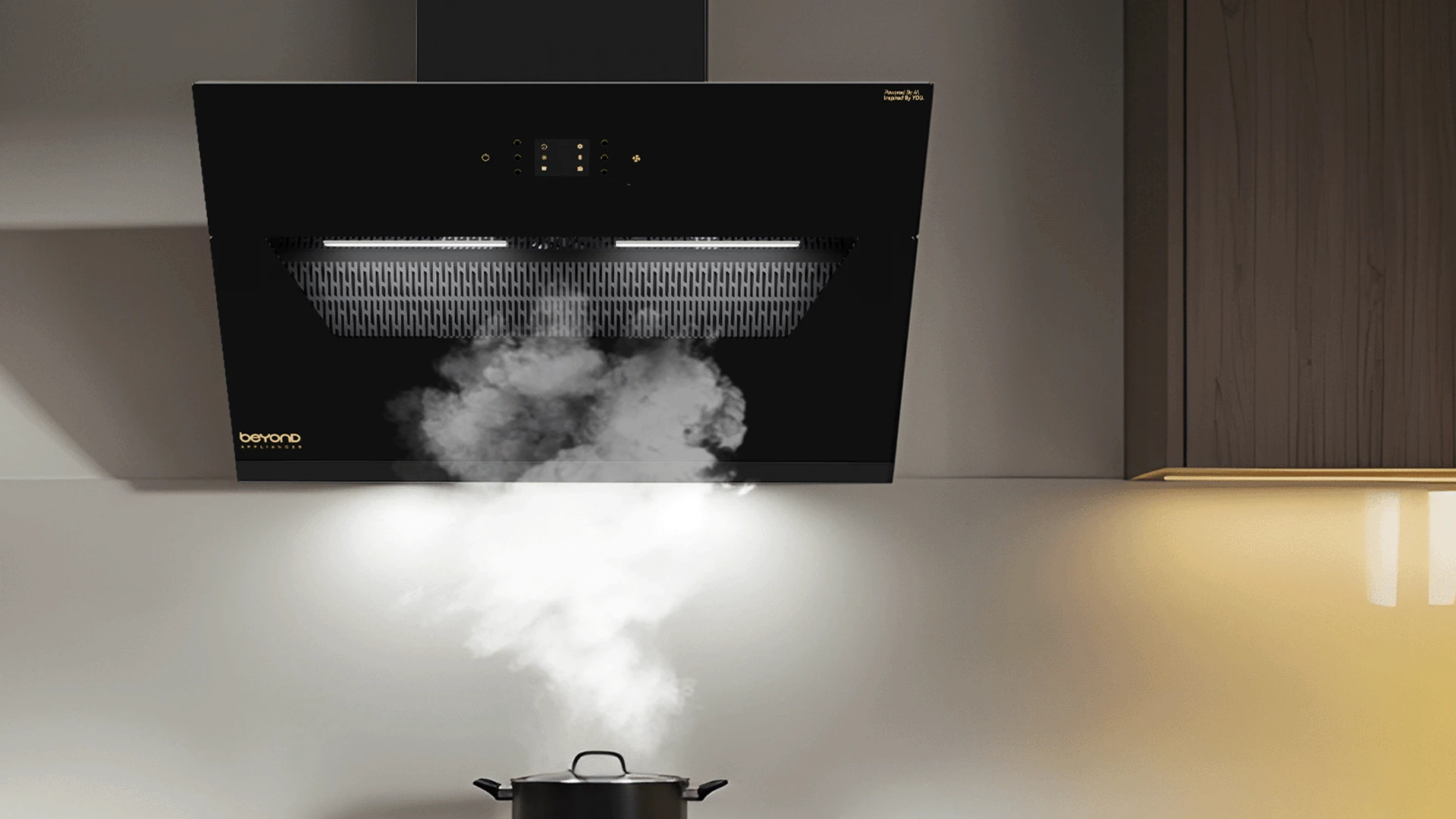
Creating the perfect kitchen ventilation setup transforms your cooking space into a healthier, more comfortable environment. Good ventilation removes smoke, grease, and cooking odors while protecting your family from harmful pollutants. Whether you're planning a kitchen renovation or upgrading your current system, understanding the fundamentals of kitchen ventilation helps you make informed decisions. The right ventilation system not only improves indoor air quality kitchen conditions but also preserves your home's value and reduces maintenance costs over time.
Effective kitchen ventilation directly impacts your family's health and comfort. Poor indoor air quality kitchen conditions can trigger respiratory issues, especially for family members with allergies or asthma. Cooking releases particulates, moisture, and volatile organic compounds that accumulate without proper ventilation. Beyond health benefits, good ventilation protects your kitchen surfaces from grease buildup and moisture damage. Steam from cooking can warp cabinets, damage paint, and create conditions for mold growth. A well-designed ventilation system prevents these costly problems while keeping your kitchen fresh and inviting. Energy efficiency also improves with proper ventilation. By removing excess heat and humidity, your air conditioning system works less hard during summer months. This translates to lower utility bills and extended HVAC equipment life.
Choosing the right ventilation system depends on your kitchen layout, cooking habits, and budget. Each type offers unique advantages for specific situations.
Range hoods remain the most popular choice for kitchen ventilation. Under-cabinet models save space and work well in standard kitchen layouts. Wall-mounted range hoods offer more power and style options. Island range hoods handle open kitchen designs where the cooktop sits away from walls. CFM (cubic feet per minute) ratings determine a range hood's power. Most kitchens need 100-150 CFM per linear foot of cooktop width. High-heat cooking requires higher CFM ratings.
Ceiling-mounted kitchen exhaust fan units work when range hoods aren't practical. These systems pull air from the entire kitchen rather than focusing on the cooking area. Window exhaust fans provide basic ventilation for smaller kitchens or apartments. Downdraft ventilation systems rise from behind or beside the cooktop when activated. These work well in island installations where overhead ventilation isn't possible.
Some situations benefit from additional air cleaning beyond standard ventilation. Kitchen air purifier units with HEPA filters capture fine particles that escape primary ventilation. These work especially well in open-plan homes where cooking odors travel to living areas.
Determining adequate airflow capacity prevents under-ventilation problems. Start with the basic formula: multiply your cooktop width by 100-150 CFM. A 30-inch cooktop needs 300-450 CFM minimum. Several factors increase CFM requirements beyond this baseline. High-heat cooking methods like stir-frying or grilling need extra power. Kitchens with high ceilings require more airflow to effectively capture cooking byproducts. Open kitchen designs connected to living spaces also benefit from higher CFM ratings. Avoid the common mistake of choosing undersized systems to save money. Insufficient ventilation forces the system to run constantly at maximum speed, creating noise and reducing equipment life. Professional assessment helps determine optimal sizing for your specific situation.
Proper positioning maximizes your ventilation system's effectiveness. Range hoods should mount 24-30 inches above gas cooktops and 20-24 inches above electric surfaces. This height captures cooking byproducts while allowing comfortable cooking access. The capture zone concept explains how ventilation systems work. Heated air rises in a cone shape from cooking surfaces. Your ventilation system must be wide enough to capture this entire cone. Range hoods should extend at least 3 inches beyond each side of the cooktop. Kitchen layout affects airflow patterns significantly. Avoid placing ventilation systems where they compete with air conditioning vents or ceiling fans. Cross-breezes can disrupt capture zones and reduce effectiveness.
Ductwork design directly impacts your ventilation system's performance. Use the shortest, straightest path possible from the range hood to the exterior. Each turn or length of ductwork reduces airflow efficiency. Duct sizing must match your system's CFM rating. Undersized ducts create back-pressure that reduces performance and increases noise. Most residential systems use 6-inch or 8-inch round ducts or equivalent rectangular sizes. External venting always outperforms recirculating systems. Ducted systems remove pollutants completely while ductless models only filter and recirculate air. Choose ductless only when external venting isn't possible. Professional installation ensures proper ductwork routing and electrical connections. DIY installation can work for simple replacements but complex installations require expertise.
Using your ventilation system correctly maximizes its benefits. Start the system before you begin cooking to establish proper airflow patterns. This prevents initial smoke and steam from escaping the capture zone. Adjust fan speeds based on cooking methods. Low speeds handle simmering and light sautéing. Medium speeds work for most general cooking. High speeds tackle heavy frying, grilling, or high-heat techniques. Continue running the system for 10-15 minutes after cooking ends. This removes lingering odors and moisture that continue rising from hot cookware and surfaces.
Modern ventilation systems offer advanced control features that improve convenience and efficiency. Variable speed controls let you match airflow to cooking intensity. This reduces noise during light cooking while providing full power when needed. Timer functions automatically shut off the system after preset periods. This ensures adequate post-cooking ventilation without wasting energy. Some systems include humidity sensors that activate automatically when moisture levels rise. Smart home integration allows remote control and scheduling through smartphone apps. You can start ventilation before arriving home or monitor system status remotely.
Regular maintenance keeps your ventilation system operating efficiently. Clean or replace filters monthly for heavy cooking households or every 2-3 months for lighter use. Grease buildup reduces airflow and creates fire hazards. Inspect ductwork annually for damage or blockages. External vents can accumulate debris or suffer weather damage. Professional cleaning every 2-3 years removes accumulated grease from ductwork. Watch for performance changes that indicate maintenance needs. Reduced airflow, increased noise, or persistent odors suggest filter replacement or professional service.
Insufficient airflow often results from dirty filters, blocked ducts, or undersized systems. Start troubleshooting with filter cleaning and external vent inspection. Persistent problems may require professional ductwork cleaning or system upgrades. Excessive noise usually indicates loose components, worn motors, or airflow restrictions. Tighten mounting hardware and check for obstructions. Persistent noise problems require professional diagnosis. Backdraft issues occur when negative pressure pulls outside air through the ventilation system. This happens in tightly sealed homes without adequate makeup air. Installing makeup air systems or adjusting other exhaust fans can resolve these problems.
Adequate ventilation should clear visible smoke within 30 seconds and eliminate cooking odors within 10-15 minutes. If odors linger or smoke escapes the cooking area, your system needs upgrading.
Choose a range hood at least as wide as your cooktop, preferably 6 inches wider. CFM capacity should equal 100-150 times your cooktop width in inches.
Ducted systems always perform better by removing pollutants completely. Choose ductless only when external venting isn't possible due to structural limitations.
Clean filters monthly for heavy cooking or every 2-3 months for light use. Professional ductwork cleaning should occur every 2-3 years.
Simple replacements work for DIY installation. New installations requiring ductwork or electrical connections need professional expertise for safety and performance.
Creating an ideal kitchen ventilation setup requires careful planning and attention to detail. Start by accurately calculating your CFM needs based on cooking habits and kitchen size. Proper placement and installation ensure maximum effectiveness while smart controls and regular maintenance preserve long-term performance. Remember that good ventilation is an investment in your family's health and your home's value. Take time to evaluate your current system and consider upgrades that will transform your cooking experience for years to come.
