

7 Essential Cooktop Ventilation Tips for Clean Air
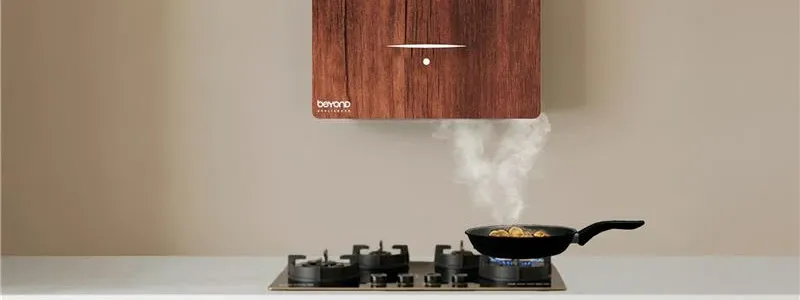
Good kitchen ventilation goes beyond just removing cooking smells. It protects your family's health by eliminating harmful fumes, grease particles, and moisture that can damage your home. Poor ventilation leads to respiratory problems, lingering odors, and greasy buildup on surfaces. Smart homeowners know that proper cooktop ventilation tips can transform their cooking experience while maintaining excellent kitchen air quality. Whether you're searing steaks or simmering sauces, these seven essential strategies will help you breathe easier and cook with confidence.
Cooking releases more than just delicious aromas. Every time you heat oil, grill meat, or even boil water, your kitchen fills with invisible pollutants that can harm your family's health. These include volatile organic compounds, nitrogen dioxide, and fine particulate matter that irritate lungs and trigger allergies. Cooking fumes contain grease particles that settle on every surface, creating sticky films that attract dust and bacteria. Without proper ventilation, these contaminants build up over time, making your kitchen harder to clean and less hygienic. Studies show that homes with poor kitchen ventilation have significantly higher levels of indoor air pollution than those with effective ventilation systems. Moisture from cooking also creates problems. Steam from boiling pasta or washing dishes increases humidity levels, promoting mold growth in cabinets and walls. This moisture can warp wood, peel paint, and create musty odors that spread throughout your home.
Modern kitchens offer several ventilation solutions, each designed for specific cooking styles and kitchen layouts. Understanding these options helps you choose the most effective system for your needs. Range hood systems mount above your cooktop and come in various styles. Wall-mounted hoods work well for cooktops against walls, while island hoods handle cooking areas in open floor plans. Under-cabinet models save space in smaller kitchens while providing adequate ventilation for light cooking.
Ducted systems exhaust air outside your home, providing superior grease removal and odor control. They work best for heavy cooking and high-heat methods like stir-frying or grilling. Ductless systems filter air through charcoal and return it to your kitchen. While easier to install, they require regular filter changes and work best for light cooking.
Downdraft ventilation systems pull air downward through vents near your cooktop. These work well with island installations where overhead hoods might obstruct views. However, they're less effective for tall pots and high-heat cooking.
Proper sizing ensures your ventilation system can handle the cooking load in your kitchen. The key measurement is CFM (cubic feet per minute), which indicates how much air your system moves. For gas cooktops, calculate 100 CFM per 10,000 BTU of burner output. A typical four-burner gas range needs 400-600 CFM. Electric cooktops require less ventilation, usually 200-400 CFM for standard home cooking. Kitchen size also matters. Larger kitchens need more powerful systems to achieve complete air circulation. Professional-style ranges with high BTU outputs require commercial-grade ventilation systems with 900+ CFM capacity.
Heavy cooking with lots of frying, grilling, or wok cooking needs higher CFM ratings. Light cooking like steaming vegetables or reheating leftovers works fine with lower-powered systems. Consider noise levels when sizing your system. Higher CFM units tend to be louder, so balance power needs with comfort preferences.
Proper placement dramatically affects how well your cooktop exhaust captures cooking fumes. Mount range hoods 24-30 inches above gas cooktops and 20-24 inches above electric models. This height provides optimal capture without interfering with cooking. The hood should extend at least 3 inches beyond each side of your cooktop. Wider coverage areas capture more rising fumes and prevent them from escaping into your kitchen.
Straight, short duct runs work most efficiently. Every bend or elbow reduces airflow by 10-25%. Use smooth metal ducts instead of flexible ones for better performance. Duct size matters too. Undersized ducts create back-pressure that reduces effectiveness and increases noise. Most residential systems need 6-8 inch round ducts or equivalent rectangular sizes.
Turn on your ventilation system before you start cooking, not after smoke appears. This creates negative pressure that immediately captures fumes as they form. Starting early prevents pollutants from spreading throughout your kitchen. Run ventilation throughout your entire cooking process. Many people turn off their systems too early, allowing residual fumes and moisture to linger. Keep the system running for 10-15 minutes after cooking ends to clear remaining contaminants.
Use low speeds for simmering and light sautéing. Medium speeds work well for most everyday cooking. Reserve high speeds for high-heat methods like searing, stir-frying, or cooking with lots of oil. Adjust speeds based on what you're cooking, not just heat level. Bacon and other fatty meats produce more grease particles that need higher ventilation speeds.
Regular maintenance keeps your ventilation system working effectively and extends its lifespan. Clean or replace filters monthly for heavy cooking, every 2-3 months for moderate use. Metal mesh filters can be washed in hot, soapy water or the dishwasher. Charcoal filters in ductless systems need replacement every 3-6 months and cannot be cleaned.
Grease removal from internal components requires periodic deep cleaning. Wipe down the hood interior, fan blades, and accessible ductwork every few months. Schedule professional ductwork cleaning annually if you cook frequently. Grease buildup in ducts reduces efficiency and creates fire hazards. Check fan motors and electrical connections during routine maintenance. Unusual noises, reduced airflow, or vibrations indicate potential problems that need professional attention.
Supplementary strategies boost your kitchen's air quality beyond what ventilation alone provides. Open windows during cooking to create cross-ventilation that helps remove lingering odors and moisture. Certain cooking techniques produce fewer fumes. Use lids on pots to contain steam and odors. Choose cooking oils with higher smoke points to reduce harmful emissions.
Some houseplants naturally filter indoor air. Spider plants, pothos, and peace lilies remove common cooking pollutants while adding natural beauty to your kitchen. Activated charcoal bowls placed near cooking areas absorb odors between meals. Replace the charcoal monthly for continued effectiveness.
Many homeowners unknowingly reduce their ventilation effectiveness through simple mistakes. Running systems at insufficient speeds fails to capture all cooking fumes, allowing them to spread throughout the house. Neglecting filter maintenance is another common error. Dirty filters restrict airflow and reduce capture efficiency. Some people think they're saving energy by skipping filter changes, but clogged filters actually make motors work harder.
Undersized systems cannot handle normal cooking loads, leaving fumes and grease to accumulate. Oversized systems waste energy and create excessive noise without improving performance. Poor ductwork design with too many bends or undersized ducts severely limits effectiveness. Some installations use flexible ducts that create turbulence and reduce airflow.
Regularly assess how well your ventilation system works. Good systems should eliminate visible smoke within 30 seconds and clear cooking odors within 5-10 minutes after cooking ends. If odors linger or grease accumulates quickly on nearby surfaces, your system may be undersized or need maintenance. Professional evaluation can identify problems and suggest improvements.
Older systems may lack the power needed for modern cooking styles. Upgrading to higher CFM units or adding supplementary ventilation can dramatically improve air quality. Smart ventilation systems automatically adjust speeds based on cooking activity and air quality sensors. These systems optimize performance while minimizing energy use and noise.
Clean metal mesh filters monthly with heavy cooking, every 2-3 months with moderate use. Replace charcoal filters in ductless systems every 3-6 months.
Gas cooktops need 100 CFM per 10,000 BTU of burner output. Electric cooktops typically require 200-400 CFM for standard home cooking.
Downdraft systems work with most cooktops but are less effective for tall pots and high-heat cooking. They work best with low-profile cookware and moderate cooking methods.
Effective systems clear visible smoke within 30 seconds and eliminate cooking odors within 10 minutes. If grease accumulates quickly on surfaces or odors linger, your system needs attention.
Ducted systems exhaust air outside and provide superior grease and odor removal. Ductless systems filter and recirculate air, requiring regular filter changes but easier installation.
Installation costs vary by system complexity and location, typically ranging from INR 5,000 to INR 15,000. Complex ductwork or electrical modifications may increase costs.
Effective cooktop ventilation protects your family's health while keeping your kitchen clean and comfortable. These seven essential tips help you choose, install, and maintain systems that provide years of reliable performance. Remember that proper sizing, placement, and maintenance are key to getting the best results from any ventilation system. Start with these fundamentals, and you'll enjoy cleaner air and a more pleasant cooking environment for years to come.
