

Protect Your Glass Hobtop: Ultimate Scratch Guide
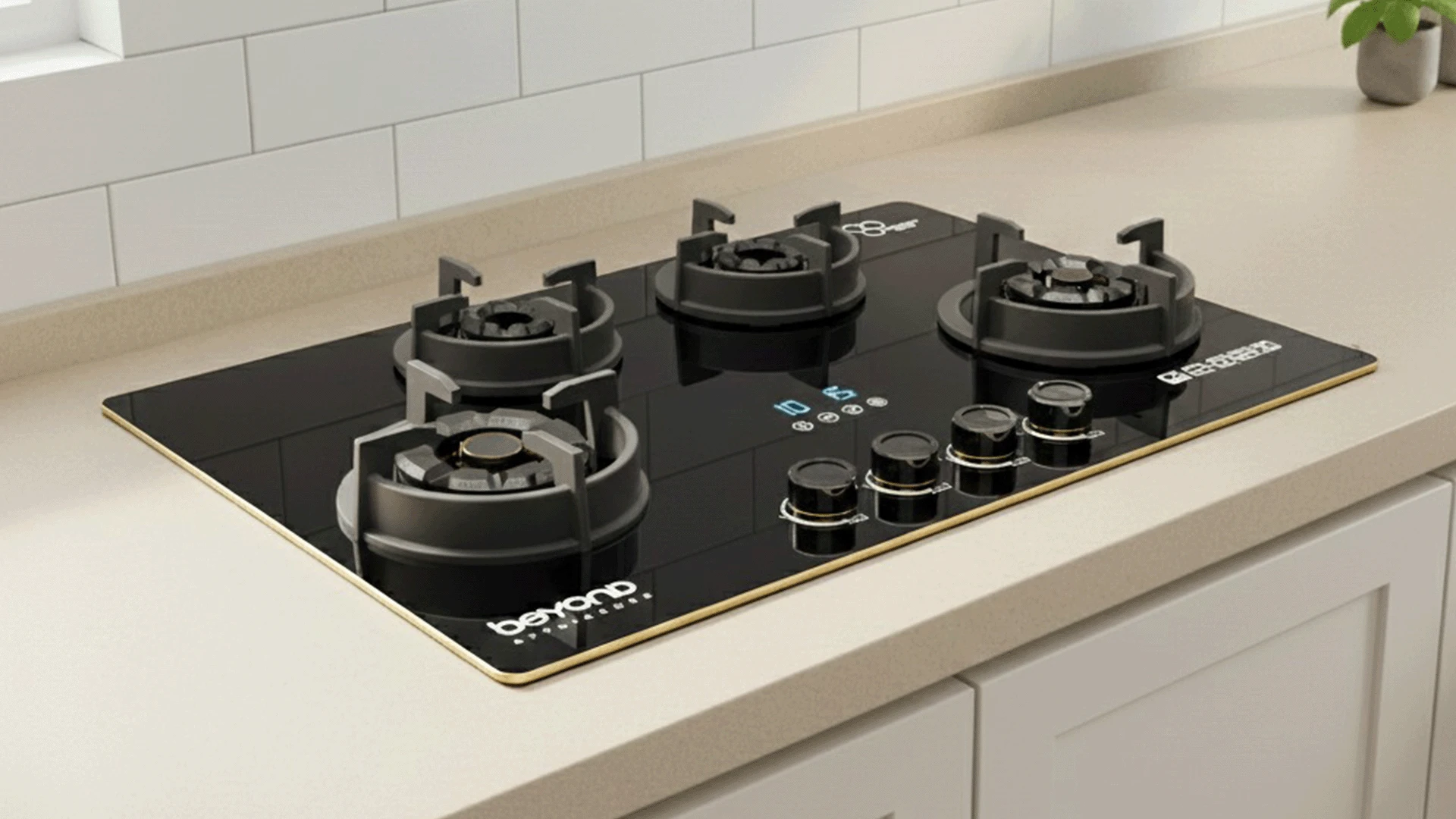
Glass hobtops bring elegance and modern functionality to any kitchen, but their sleek surface requires careful attention to maintain that pristine appearance. Understanding how to avoid scratches on glass hobtop surfaces is essential for protecting your investment and ensuring years of reliable cooking performance. With proper care techniques and preventive measures, you can keep your glass cooktop looking brand new while maximizing its lifespan. This comprehensive guide covers everything from daily maintenance routines to professional protection methods that will safeguard your hobtop against common damage.
Modern glass hobtops use tempered glass designed for durability, but this material remains susceptible to specific types of damage. The smooth surface that makes cleaning easy also means that abrasive materials can leave permanent marks. Glass stove top care begins with understanding what causes scratches in the first place. Most scratches occur from sliding cookware across the surface rather than lifting it properly. Cast iron pans, ceramic dishes, and cookware with rough or damaged bottoms pose the highest risk. Even small particles of salt, sugar, or sand trapped between the pan and surface can act like sandpaper when pressure is applied. Compact kitchen hobs face additional challenges due to limited space, which often leads to more frequent contact between cookware and the glass surface. Temperature changes also contribute to surface vulnerability. Rapid heating and cooling can create stress points where scratches develop more easily. Understanding these risk factors helps you implement effective prevention strategies that protect your investment.
Effective hob scratch prevention starts with developing proper cooking habits that protect your glass surface. The most important rule involves always lifting cookware instead of sliding it across the hobtop. This simple change eliminates the majority of scratch-causing incidents.
Choose cookware with smooth, flat bottoms that distribute weight evenly. Stainless steel and aluminum pans work well, while cast iron requires extra caution due to its weight and potential for rough surfaces. Always inspect pan bottoms for damage before use.
Gradual temperature changes protect the glass from thermal stress. Start with lower heat settings and increase gradually. Allow the surface to cool naturally rather than placing cold items on hot glass. These hobtop cleaning tips extend beyond cleaning to include operational best practices.
• Clean spills immediately to prevent hardening • Use appropriate pan sizes for each burner • Keep the surface dry when not in use • Store sharp utensils away from the hobtop area • Check cookware bottoms regularly for damage
A quality glass hob protector provides an additional barrier against scratches while maintaining cooking efficiency. Several protection options suit different cooking styles and budget requirements. Tempered glass protectors offer the best protection while maintaining heat transfer efficiency. These custom-fitted covers sit directly on your hobtop surface and can withstand high temperatures. Silicone mats provide flexible protection but may affect heating performance on some models.
Proper installation ensures maximum protection without compromising safety. Clean the hobtop thoroughly before applying any protector. Follow manufacturer guidelines for positioning and ensure proper ventilation around heating elements.
Protectors require regular cleaning to maintain effectiveness. Remove and clean both the protector and underlying surface weekly. Check for wear signs and replace protectors showing damage or warping.
Cleaning glass cooktop surfaces requires specific techniques that remove dirt without causing damage. Daily cleaning prevents buildup that can lead to scratching during cooking. Use only cleaners specifically designed for glass cooktops. These formulations remove grease and food residue without leaving abrasive particles. Avoid general-purpose cleaners that may contain harsh chemicals or abrasives.
Wipe the surface with a damp microfiber cloth after each use. This removes spills before they harden and become difficult to remove. Use gentle circular motions and avoid pressing hard against the glass.
Apply specialized glass cooktop cleaner and let it sit for the recommended time. Use a plastic scraper designed for glass surfaces to remove stubborn residue. The best hob cleaners include both liquid formulations and cream-based products that provide gentle abrasive action.
• Safe: Microfiber cloths, plastic scrapers, specialized cleaners • Dangerous: Steel wool, abrasive sponges, harsh chemicals, metal scrapers
Consistent cooktop maintenance prevents minor issues from becoming major problems. A structured approach ensures nothing gets overlooked while protecting your investment. Daily tasks include wiping spills immediately and checking for any damage after use. Weekly maintenance involves thorough cleaning and inspection of all components. Monthly deep cleaning addresses areas that daily care might miss.
Quarterly inspections help identify potential problems early. Check seals, heating elements, and control functions. Professional servicing every 12-18 months ensures optimal performance and can identify issues before they cause damage.
Maintaining detailed cleaning records helps protect warranty coverage. Many manufacturers require evidence of proper maintenance for warranty claims. Regular care also extends the life of your hobtop beyond the warranty period.
When scratches do occur, quick assessment determines the best response. Minor surface scratches may respond to specialized repair compounds, while deeper damage requires professional evaluation. Shallow scratches that don't catch your fingernail can often be minimized with glass polishing compounds. Apply these products carefully following manufacturer instructions. Deeper scratches that affect the structural integrity of the glass require immediate professional attention.
Never attempt to use a damaged hobtop. Cracks or deep scratches can compromise safety and lead to complete failure. Professional assessment ensures safe operation and determines whether repair or replacement is necessary.
Sliding cookware across the surface causes the majority of scratches. Always lift pans and avoid dragging heavy items across the glass.
Minor surface scratches may be reduced with specialized glass polishing compounds. Deep scratches typically require professional repair or replacement.
Use microfiber cloths with specialized glass cooktop cleaners. Avoid abrasive materials and always clean in gentle circular motions.
Quality protectors significantly reduce scratch risk while maintaining cooking performance. Choose tempered glass protectors for best results.
Wipe spills immediately and perform thorough cleaning weekly. Daily maintenance prevents buildup that can cause scratching.
Stainless steel and aluminum cookware with smooth, flat bottoms work best. Avoid cast iron unless specifically designed for glass surfaces.
Protecting your glass hobtop from scratches requires consistent daily habits combined with proper cleaning techniques and quality protection products. The key lies in prevention rather than repair, as most scratch damage is permanent. By implementing these comprehensive protection strategies, you can maintain your hobtop's pristine appearance while ensuring reliable cooking performance for years to come. Remember that small investments in protection products and proper maintenance techniques far outweigh the cost of premature replacement due to preventable damage.
