

How to Maximize Kitchen Air Quality with Hoods
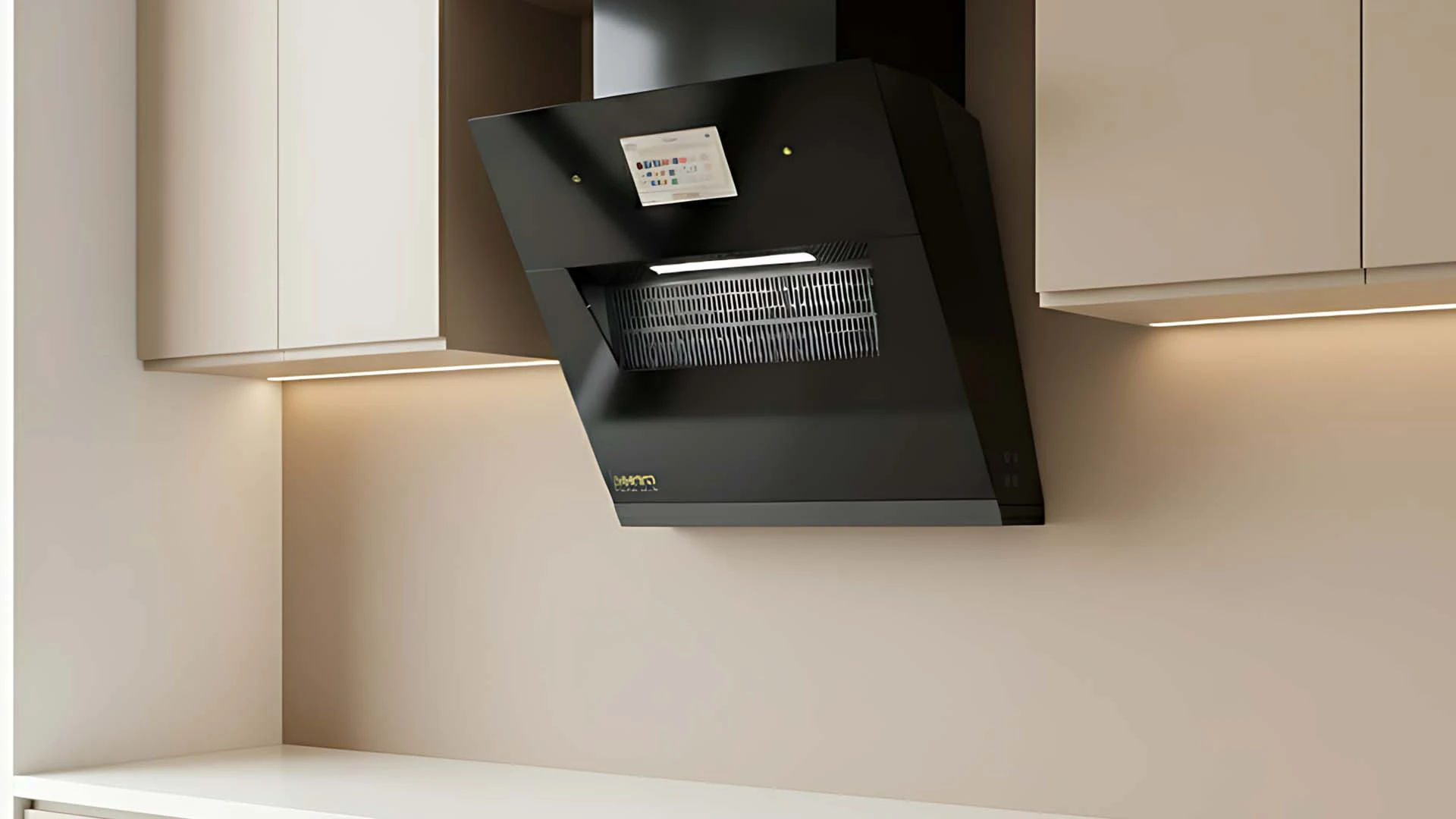
Good kitchen air quality is essential for a healthy home environment. When you cook, your kitchen releases smoke, grease particles, and odors that can spread throughout your house. These pollutants affect your family's health and damage your walls and ceilings over time. Modern kitchen ventilation systems, especially automatic kitchen hoods, offer powerful solutions to keep your air clean and fresh. The benefits automatic kitchen hoods provide go far beyond basic smoke removal. They create a healthier cooking environment while adding convenience and style to your kitchen design.
Kitchen hoods serve as your first line of defense against cooking pollutants. They capture and remove harmful particles before they spread through your home. A quality hood system removes up to 98% of grease particles and cooking fumes from your kitchen air. Kitchen hood benefits extend to protecting your family's health. Cooking releases nitrogen dioxide, carbon monoxide, and other harmful gases. Without proper ventilation, these pollutants build up in your home. Long-term exposure can cause respiratory problems and other health issues. Proper ventilation also protects your kitchen surfaces. Grease and oil particles settle on walls, cabinets, and ceilings without adequate air circulation. This buildup creates stubborn stains and requires frequent deep cleaning. A good hood system prevents this damage and keeps your kitchen looking fresh.
Cooking generates fine particles that can trigger asthma and allergies. These particles are too small to see but pose real health risks. Quality ventilation systems filter out these microscopic pollutants before you breathe them in.
Grease buildup damages paint and finishes over time. It also creates breeding grounds for bacteria and unpleasant odors. Effective ventilation prevents this damage and maintains your kitchen's appearance.
Modern automatic range hood systems bring smart technology to kitchen ventilation. These advanced units detect when you start cooking and adjust their operation automatically. You no longer need to remember to turn on your hood or adjust fan speeds manually. Sensor-based technology makes cooking more convenient and efficient. The hood responds to heat, smoke, and steam levels in real-time. This ensures optimal air quality without wasting energy on unnecessary operation.
Automatic hoods include programmable timers and energy-efficient controls. Some models feature AI technology that learns your cooking patterns. They can even integrate with smart home systems for voice control and remote operation.
Modern kitchen ventilation systems use advanced motors and controls to minimize energy consumption. Automatic operation ensures the hood runs only when needed, reducing electricity costs while maintaining air quality.
Small kitchens need efficient ventilation solutions that don't overwhelm the space. Compact kitchen hoods deliver powerful performance in space-saving designs. These units prove that effective ventilation doesn't require large, bulky equipment. The PlugnPlay Cube Chimney represents innovative compact design. No Core Cutting, No Ducting: Cube installs directly on the wall without the need to break the walls or install the ducting pipe. This eliminates major installation challenges in small kitchens.
10-Minute Installation: Installs quickly with just 2 screws. This quick setup makes compact hoods ideal for renters and homeowners who want minimal installation disruption.
1250 CMH Suction, 3 Sided Vents: With its multi-directional vents, the Cube does not let the smoke escape. Ideal for Indian cooking. This shows how compact units can deliver powerful performance despite their smaller size.
Choosing between ducted and recirculating systems affects your kitchen's air quality and installation requirements. Ducted systems vent air outside your home, providing superior odor and smoke removal. They require external venting but offer the most effective pollution removal. Recirculating systems filter air and return it to your kitchen. They work well when external venting isn't possible. Modern recirculating hoods use advanced carbon filters to remove odors and particles effectively.
Ducted hoods remove pollutants completely from your home. They handle heavy cooking loads better and don't require filter replacements as frequently. However, they need professional installation and external venting access.
Cube's Working: The carbon filters absorb the smoke, then remove the oil, grease & odour. Clean, cool & breathable air is then sent back into your kitchen. 4 Year Filter Life: The active carbon filter lasts 4 years, backed by a 4-year warranty.
Hood installation requires careful planning to ensure optimal performance and safety. Proper sizing calculations consider your kitchen dimensions, cooking habits, and appliance types. The hood should cover your entire cooking surface with adequate capture area. Height positioning affects both performance and safety. Installing the hood too high reduces its effectiveness. Too low creates safety hazards and interferes with cooking. Professional installers ensure proper positioning for maximum efficiency.
Most hoods require dedicated electrical circuits and proper grounding. Building codes specify installation requirements for safety and performance. Professional installation ensures compliance with local regulations.
Installation should allow easy access for cleaning and maintenance. Filters need regular replacement or cleaning. Easily Portable- Uninstalls in 10 minutes. Take it wherever you move. This portability feature makes maintenance and relocation simple.
Kitchen hoods offer superior performance compared to basic exhaust fans. They provide targeted ventilation over cooking areas with higher airflow capacity. Hoods also include features like lighting and variable speed controls that exhaust fans lack. Noise levels vary significantly between different ventilation options. Low 48 dB Noise operation ensures quiet performance that doesn't interfere with conversation or entertainment. Quality hoods balance powerful suction with acceptable noise levels.
Hoods add more value to your home than basic exhaust fans. They enhance kitchen aesthetics while providing superior functionality. 2 x 3W LED Lights provide task lighting that improves cooking visibility and kitchen ambiance.
While hoods cost more initially, they provide better long-term value. They protect your kitchen from damage and improve air quality more effectively. Energy-efficient models also reduce operating costs over time.
Automatic kitchen hoods provide hands-free operation, energy efficiency, and consistent air quality. They detect cooking activity and adjust operation automatically. This ensures optimal ventilation without manual intervention while reducing energy waste.
Modern compact hoods deliver impressive performance despite their smaller size. Advanced motor technology and efficient design allow them to handle typical cooking loads effectively. They're ideal for small kitchens and apartments where space is limited.
Regular cleaning and filter maintenance keep hoods operating efficiently. Grease filters need cleaning or replacement every few months. Carbon filters in recirculating models require periodic replacement. One Button Control to operate every function simplifies daily operation.
Simple models like the PlugnPlay Cube allow DIY installation. However, ducted systems typically require professional installation for electrical and venting work. Consider your skills and local building codes when deciding between DIY and professional installation.
Investing in quality kitchen ventilation significantly improves your home's air quality and your family's health. The benefits automatic kitchen hoods provide include convenience, energy efficiency, and superior performance. Modern compact designs prove that even small kitchens can have effective ventilation systems. Whether you choose ducted or recirculating systems, proper installation and maintenance ensure optimal performance. Consider your kitchen size, cooking habits, and installation requirements when selecting the right hood for your home.
