

How to Effectively Remove Cooking Smoke at Home
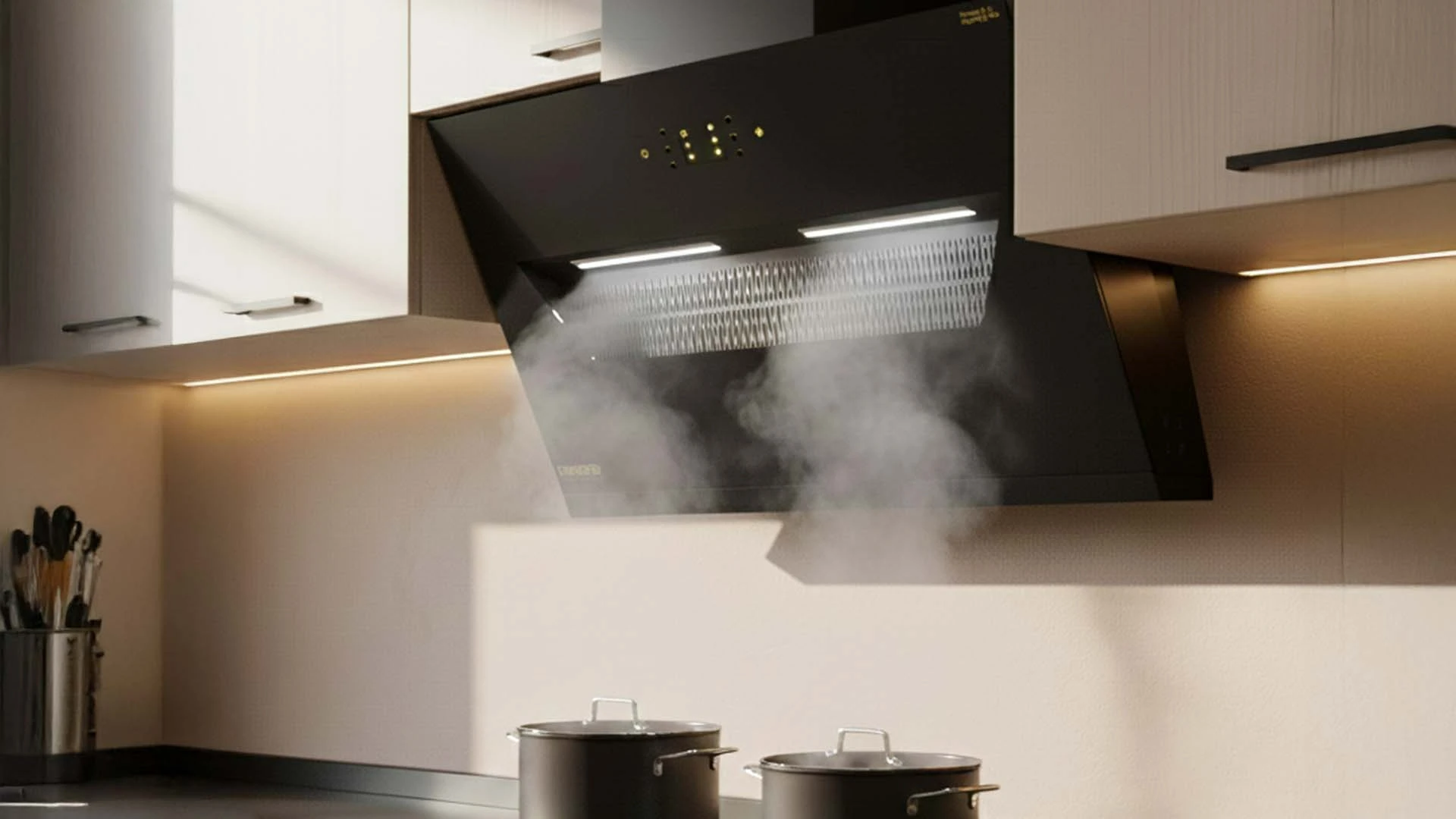
Cooking smoke can quickly turn your kitchen into an uncomfortable space, affecting both air quality and your family's health. Whether you're searing meat, stir-frying vegetables, or preparing aromatic Indian dishes, effective kitchen ventilation for cooking smoke is essential for maintaining a pleasant cooking environment. Modern homes face unique challenges with smoke removal due to improved insulation and reduced natural airflow. Understanding the right combination of ventilation systems, air purification methods, and practical techniques can transform your kitchen into a clean, comfortable space where cooking becomes enjoyable rather than a chore.
Poor kitchen ventilation creates multiple problems that extend beyond simple discomfort. Cooking smoke contains grease particles, water vapor, and potentially harmful compounds that can accumulate on surfaces and in the air. These particles settle on cabinets, walls, and appliances, creating sticky residues that attract dust and bacteria.
The health impacts of inadequate cooking smoke removal are significant. Prolonged exposure to cooking fumes can irritate respiratory systems, trigger asthma symptoms, and contribute to poor indoor air quality. Fine particulate matter from cooking can penetrate deep into lungs, particularly affecting children and elderly family members.
Many homeowners make critical errors when addressing kitchen ventilation needs. Installing undersized range hoods that cannot handle the volume of smoke produced during cooking is a frequent mistake. Others rely solely on opening windows, which may not provide adequate airflow during certain weather conditions.
Several indicators suggest your current ventilation system is inadequate. Lingering cooking odors hours after meal preparation, visible grease buildup on surfaces, condensation on windows during cooking, and smoke alarms triggering during normal cooking activities all signal insufficient ventilation capacity.
Effective smoke removal requires understanding different ventilation technologies and their applications. Modern kitchen ventilation systems offer various solutions to match different cooking styles, kitchen layouts, and budget requirements. The key is selecting the right combination of equipment that provides adequate airflow for your specific cooking needs.
Professional-grade systems typically include multiple components working together to capture, filter, and exhaust cooking smoke efficiently. These systems must be properly sized and installed to achieve optimal performance.
A quality range hood serves as your first line of defense against cooking smoke. These units capture smoke and grease particles directly at the source, preventing them from dispersing throughout your kitchen. Modern range hoods come in various styles including wall-mounted, island, and under-cabinet configurations.
CFM (cubic feet per minute) ratings determine a range hood's effectiveness. For standard cooking, 100 CFM per linear foot of cooktop width provides adequate ventilation. Heavy cooking or high-heat methods require 150-200 CFM per linear foot for effective smoke removal.
Beyond range hoods, kitchen extractor fans provide additional ventilation support. Wall-mounted units can supplement range hood capacity, while ceiling-mounted fans help circulate air throughout the kitchen space. These fans work best when positioned to create cross-ventilation patterns.
Ducted systems exhaust air directly outside, providing superior smoke removal compared to ductless alternatives. However, ductless systems with high-quality filters can be effective in apartments or homes where external ducting is not feasible.
Compact ventilation systems offer powerful performance in space-efficient designs. These units incorporate advanced motor technology and aerodynamic fan designs to maximize airflow while minimizing noise levels. Smart ventilation systems automatically adjust fan speeds based on smoke and heat sensors.
Energy-efficient models use variable-speed motors that consume less electricity while providing effective smoke removal. Some units include LED lighting and touch controls for enhanced functionality and convenience.
Air purification systems complement traditional ventilation by filtering particles that escape capture by range hoods. These systems use multiple filtration stages to remove smoke particles, grease, and odors from kitchen air. Advanced units combine mechanical filtration with electronic air cleaning technologies.
HEPA filtration captures particles as small as 0.3 microns, effectively removing fine smoke particles that can remain airborne for hours. Activated carbon filters absorb cooking odors and volatile organic compounds, preventing them from circulating throughout your home.
Smoke absorber units use electrostatic precipitation to capture charged particles from cooking smoke. These systems require minimal maintenance and provide continuous air cleaning without replacing filters frequently. UV-C air purifiers neutralize bacteria and viruses while breaking down odor-causing compounds.
Portable air purifiers offer flexibility for kitchens with limited built-in ventilation options. These units can be positioned strategically during cooking and moved as needed for optimal smoke removal effectiveness.
Preventing excessive smoke production during cooking reduces the burden on your ventilation system and improves overall kitchen air quality. Simple adjustments to cooking techniques can significantly minimize smoke generation while maintaining food quality and flavor.
Understanding oil smoke points helps prevent unnecessary smoke production. Different cooking oils begin smoking at specific temperatures, and choosing appropriate oils for your cooking methods reduces smoke generation substantially.
High smoke point oils like avocado oil, refined coconut oil, and ghee withstand higher temperatures without smoking. Proper pan heating techniques involve gradually warming cookware rather than using maximum heat immediately. This approach prevents oil from reaching smoke point too quickly.
Temperature control during cooking maintains optimal heat levels without excessive smoke production. Using medium heat for most cooking tasks provides adequate cooking temperatures while minimizing smoke generation.
Strategic window and door positioning creates cross-ventilation that naturally removes cooking smoke. Opening windows on opposite sides of the kitchen creates airflow patterns that carry smoke outside effectively. Ceiling fans can enhance natural ventilation by improving air circulation patterns.
Timing ventilation activation before cooking begins allows systems to establish proper airflow patterns. Starting your range hood or kitchen extractor fan before heating pans ensures immediate smoke capture when cooking begins.
Proper installation ensures your kitchen ventilation system operates at maximum efficiency. Professional installation guarantees correct ductwork sizing, proper electrical connections, and optimal positioning for smoke capture. DIY installation is possible for some units but requires careful attention to manufacturer specifications.
Ductwork design significantly impacts ventilation performance. Straight, short duct runs provide better airflow than long, curved installations. Proper duct sizing prevents airflow restrictions that reduce system effectiveness.
Consistent maintenance keeps your ventilation system operating efficiently. Grease filters require cleaning or replacement every 1-3 months depending on cooking frequency. Charcoal filters in ductless systems need replacement every 3-6 months for optimal odor removal.
Annual professional cleaning removes accumulated grease from ductwork and motor components. This maintenance prevents fire hazards and maintains optimal airflow capacity throughout the system.
Kitchen ventilation investments range from basic solutions under INR 5,000 to comprehensive systems exceeding INR 50,000. Budget considerations should include initial equipment costs, installation expenses, and ongoing maintenance requirements. Energy-efficient models may cost more initially but provide long-term savings through reduced electricity consumption.
Basic range hoods start around INR 3,000-8,000 for simple under-cabinet models. Mid-range systems with advanced features cost INR 15,000-35,000, while professional-grade units range from INR 40,000-80,000 including installation.
Rental properties benefit from portable solutions that don't require permanent installation. Window-mounted exhaust fans provide temporary ventilation improvements for INR 2,000-6,000. Portable air purifiers offer flexible smoke removal for INR 8,000-25,000 depending on capacity and features.
Upgrading existing systems with high-efficiency filters or variable-speed controls can improve performance without complete replacement. These modifications typically cost INR 2,000-8,000 while providing significant performance improvements.
Calculate 100 CFM per linear foot of cooktop width for standard cooking. Add 50-100 CFM for high-heat cooking methods or heavy use. Consider ceiling height and kitchen size when determining final requirements.
Ductless units with quality filters can remove particles and odors effectively but don't exhaust air outside. They work best in smaller kitchens with supplementary ventilation and regular filter maintenance.
Clean grease filters monthly with heavy cooking or every 2-3 months with moderate use. Charcoal filters require replacement every 3-6 months and cannot be cleaned effectively.
A 30-inch cooktop requires a range hood at least 30 inches wide, preferably 36 inches for better smoke capture. CFM rating should be 300-400 for standard cooking or 450-600 for high-heat methods.
Professional installation ensures proper electrical connections, ductwork sizing, and optimal positioning. DIY installation is possible for some models but may void warranties if not done correctly.
Use high CFM range hoods (400+), install supplementary air purifiers, choose oils with high smoke points, and ensure proper ventilation before starting cooking. Consider specialized filters designed for spice odors.
Effective kitchen ventilation for cooking smoke requires a comprehensive approach combining proper equipment selection, correct installation, and regular maintenance. Understanding your cooking habits and kitchen layout helps determine the most suitable ventilation solutions for your needs.
Investing in quality ventilation systems improves indoor air quality, protects your family's health, and maintains your kitchen's cleanliness. Whether you choose a powerful range hood, supplementary air purification, or compact ventilation solutions, proper smoke removal makes cooking more enjoyable and your home more comfortable.
