

How to Check Slab Strength for Safe Hob Install
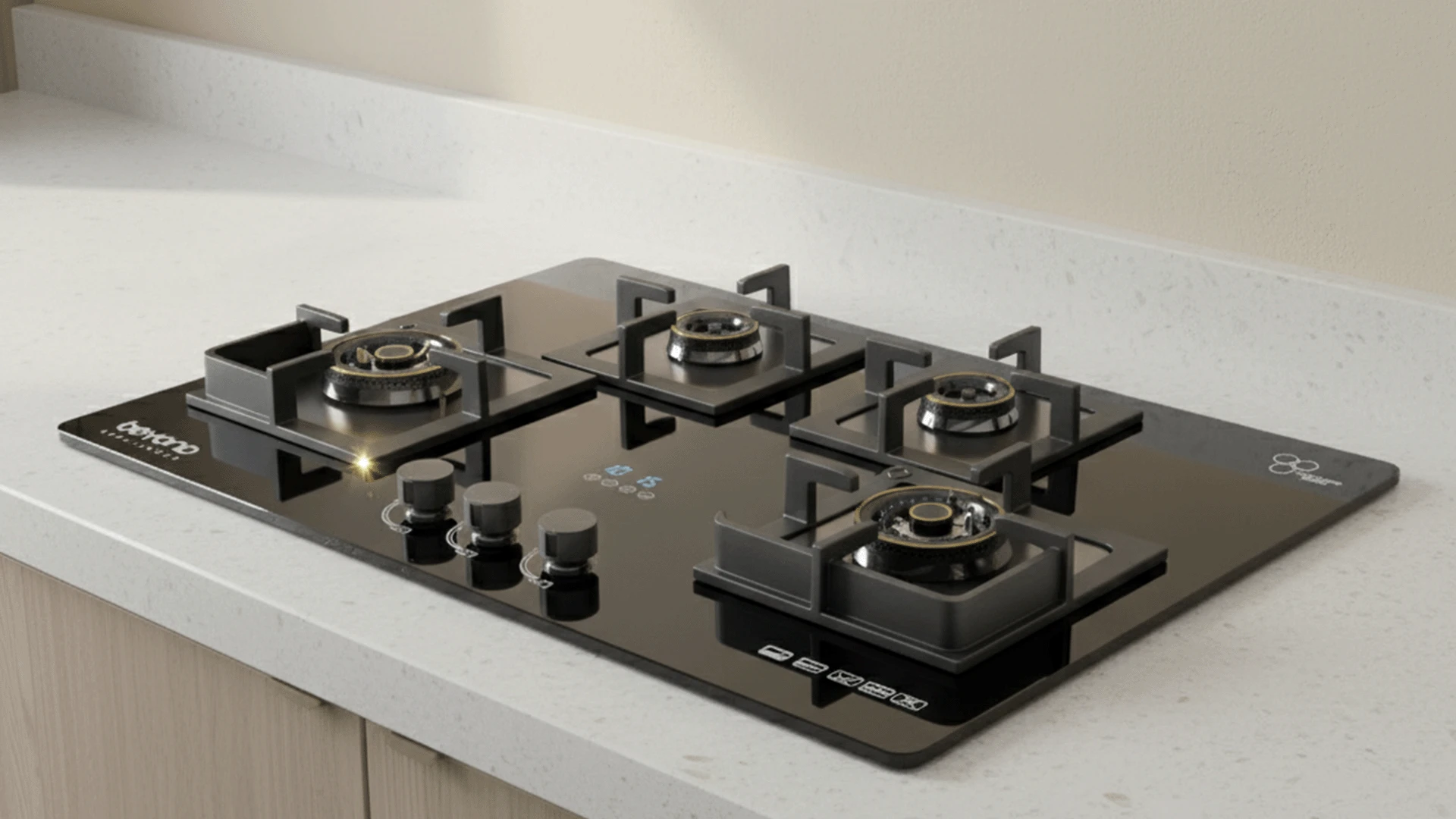
Installing a modern kitchen hob requires careful attention to your countertop's structural integrity. Many homeowners overlook this crucial step, leading to costly damage or safety hazards down the line. Understanding how to check slab strength for hob installation ensures your cooktop remains secure and functional for years. This comprehensive guide walks you through the essential steps to assess your countertop's capacity and implement proper reinforcement when needed.
Before diving into assessment techniques, you need to understand the weight specifications of different hob types. Standard gas hobs typically weigh between 8-15 kg, while induction models can range from 10-25 kg depending on size and features.
Gas hobs generally represent the lighter end of the spectrum, with compact models weighing around 8-12 kg. Four-burner gas units usually fall between 12-18 kg. Electric and induction hobs tend to be heavier due to their internal components, often weighing 15-25 kg for standard sizes.
The actual load on your slab extends beyond the hob's weight. Installation brackets, mounting hardware, and the cutout itself can add 3-5 kg to the total load. Factor in dynamic loads from cooking activities, which can temporarily increase stress on the mounting points.
Professional installers recommend a safety margin of at least 50% above the total calculated load. This accounts for material fatigue, thermal expansion, and unexpected stress events. A hob weight capacity calculation should always include this buffer for optimal safety.
Proper assessment requires specific tools and systematic inspection methods. Having the right equipment ensures accurate evaluation of your slab's condition and load-bearing capacity.
A basic toolkit includes a measuring tape, level, flashlight, and stud finder. For more thorough evaluation, consider a digital caliper for precise thickness measurements and a small mirror for inspecting undersides of overhangs.
Start by examining the surface for cracks, chips, or stress marks around existing cutouts. Pay special attention to corners and edges where stress concentrates. Look for discoloration that might indicate water damage or structural weakness.
Gentle pressure testing helps identify weak spots without causing damage. Apply gradual downward pressure at various points, listening for unusual sounds or feeling for movement. Different materials require different approaches - granite can handle more pressure than laminate or thin quartz slabs.
A systematic approach to checking countertop integrity ensures you don't miss critical structural issues. This methodical process helps identify potential problems before they become costly repairs.
Begin by measuring the proposed installation area and checking for adequate support underneath. Verify that cabinet frames are level and properly secured. Document any existing damage with photos for reference.
Measure slab thickness at multiple points, especially near the proposed cutout location. Standard granite slabs are 20-30mm thick, while engineered stone typically ranges from 12-20mm. Identify all support points and measure spans between them.
Look for areas where the slab extends beyond cabinet support, particularly around sink cutouts or breakfast bars. These overhangs create stress concentration points that may not handle additional hob weight safely.
When your assessment reveals inadequate support, several countertop reinforcement options can provide the necessary strength for safe hob installation.
Steel brackets mounted to cabinet frames provide excellent support for heavy hobs. Position brackets to distribute weight evenly across the slab's underside. Ensure brackets don't interfere with drawer operation or storage access.
Plywood or steel plate underlayments spread load across a wider area. This solution works particularly well for thinner slabs or areas with minimal cabinet support. Proper adhesive application ensures the reinforcement bonds effectively with the existing surface.
Complex reinforcement projects often require professional expertise, especially when dealing with expensive stone surfaces. Simple bracket installations may be suitable for DIY enthusiasts, but structural modifications should involve qualified contractors.
Successful modern kitchen hob installation goes beyond structural considerations. Proper planning ensures your new appliance integrates seamlessly with your kitchen's design and functionality.
In compact kitchen design scenarios, every inch matters. Position your hob to maximize counter space while maintaining safe clearances. Consider how the installation affects workflow and storage accessibility.
Maintain minimum clearances specified by manufacturers - typically 150mm from walls and 760mm above the cooking surface for overhead cabinets. Proper ventilation prevents heat damage to surrounding surfaces and ensures optimal performance.
Plan utility routing before cutting openings. Gas lines require professional installation and testing. Electrical connections must comply with local codes and may require dedicated circuits for high-powered induction units.
Adhering to safety standards protects your investment and ensures legal compliance. Understanding these requirements helps avoid costly modifications later.
Building codes vary by location but generally address structural support, ventilation, and utility connections. Check with local authorities before beginning installation, especially for gas appliances requiring permits.
Improper installation can void manufacturer warranties. Follow installation guidelines precisely and retain documentation proving compliance. Professional installation may be required to maintain warranty coverage.
Insurance claims related to appliance damage or property loss may be denied if installation doesn't meet standards. Proper documentation and professional installation provide protection against potential liability.
Most manufacturers recommend minimum 20mm thickness for stone slabs, though this varies by material and hob weight. Laminate countertops typically require additional reinforcement regardless of thickness.
Properly supported granite can handle 25-30 kg per square meter. However, point loads from hob installations require careful evaluation of local support conditions.
Consider professional assessment for expensive stone surfaces, complex reinforcement needs, or when you're unsure about structural adequacy. The cost of professional evaluation is minimal compared to potential damage from improper installation.
Laminate countertops require substantial reinforcement for heavy hobs. Steel plate underlayments or complete substrate replacement may be necessary to provide adequate support.
Visible sagging, cracks near existing cutouts, or movement when pressure is applied indicate insufficient support. Any doubt about structural integrity warrants professional evaluation.
Proper slab strength assessment is essential for safe hob installation. Understanding weight requirements, using systematic evaluation methods, and implementing appropriate reinforcement ensures your investment remains secure. When in doubt, professional consultation provides peace of mind and protects against costly mistakes. Remember that proper installation not only ensures safety but also maintains warranty coverage and insurance protection. Taking time for thorough assessment prevents future problems and ensures years of reliable cooking performance.
