

Hobtop Cleaning: DIY vs Professional Services
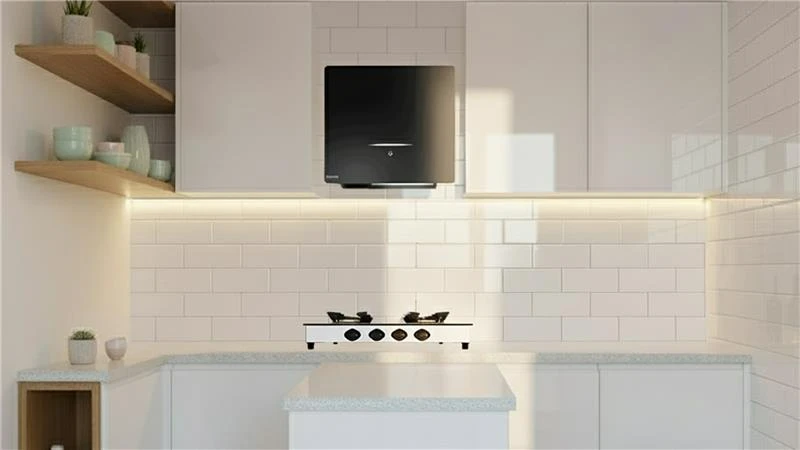
Keeping your hobtop stove clean is essential for both hygiene and performance. Whether you have a gas, glass, ceramic, or induction model, regular maintenance ensures your cooking surface remains safe and efficient. Many homeowners wonder if they should tackle hobtop cleaning themselves or hire professional services. The choice depends on your time, budget, and the condition of your stove. Understanding the differences between DIY methods and professional cleaning helps you make the right decision for your kitchen needs.
Each type of hobtop requires specific cleaning approaches to maintain its appearance and functionality. Gas stoves need careful attention to burner components, while glass and ceramic surfaces demand gentle techniques to prevent damage. Modern induction hobs have electronic elements that require specialized care.
Gas stoves feature removable burner grates and caps that collect grease and food particles. These components can be soaked in warm soapy water for deep cleaning. Always ensure gas connections remain dry during cleaning. Remove burner rings carefully and clean the gas outlets with a soft brush to prevent blockages.
Glass cooktops require non-abrasive cleaners to prevent scratches. Use specialized glass cleaning products and soft cloths. Avoid steel wool or harsh scrubbers that can damage the surface permanently. Clean spills immediately while the surface is still warm but not hot.
Ceramic hobs handle heat well but need gentle cleaning methods. Use ceramic-specific cleaners and plastic scrapers for stubborn residue. The smooth surface makes cleaning easier than traditional gas stoves, but burnt-on food requires patience and proper techniques.
Induction hobs have sensitive electronic surfaces that need careful handling. Use mild cleaners and avoid excessive moisture near control panels. The flat surface makes wiping easy, but magnetic field areas require special attention to maintain optimal performance.
Do-it-yourself cleaning saves money and gives you control over the products used. Most hobtop cleaning tasks can be handled at home with basic supplies and proper techniques. Regular DIY maintenance prevents buildup and extends your stove's lifespan.
Gather non-abrasive sponges, microfiber cloths, and appropriate cleaners for your hobtop type. Baking soda, white vinegar, and dish soap work well for most cleaning tasks. Avoid steel wool, harsh chemicals, or abrasive powders that can damage surfaces.
Remove burner grates and caps, then soak them in warm soapy water for 20 minutes. Clean the stovetop surface with a damp cloth and mild cleaner. Scrub grates with a soft brush to remove grease buildup. Rinse thoroughly and dry completely before reassembling.
Create a paste with baking soda and water for stubborn stains. Mix equal parts white vinegar and water for daily cleaning. Lemon juice cuts through grease naturally and leaves a fresh scent. These solutions work safely on most hobtop surfaces without harsh chemicals.
For burnt-on food, apply baking soda paste and let it sit for 15 minutes before scrubbing gently. Use a plastic scraper on glass and ceramic surfaces to remove stubborn residue. Soak removable parts in hot water with dish soap for easier cleaning.
Professional cleaning services offer deep cleaning that goes beyond regular maintenance. They use specialized equipment and products not available to consumers. Consider professional help when DIY methods fail or for annual deep cleaning.
Extensive grease buildup that resists home cleaning methods indicates professional service needs. Gas connection issues or safety concerns require expert attention. Time constraints or physical limitations may also make professional cleaning worthwhile.
Professional cleaners use industrial-grade degreasers and specialized tools. They disassemble components safely and clean areas difficult to reach at home. Many services include safety inspections and minor maintenance checks.
DIY cleaning costs around INR 200-500 for supplies that last multiple cleanings. Professional services range from INR 1,500-3,000 depending on hobtop type and condition. Consider frequency and time value when comparing costs.
Regular maintenance prevents major cleaning challenges and extends your hobtop's life. Daily habits and weekly routines keep your cooking surface in optimal condition. Prevention costs less than restoration or replacement.
Wipe spills immediately after cooking while surfaces are still warm. Use a damp cloth for quick cleanup and dry thoroughly. This prevents stains from setting and reduces weekly cleaning time.
Perform thorough cleaning weekly, removing all components for gas stoves. Clean control knobs and surrounding areas. Check for wear or damage during regular maintenance sessions.
Never use abrasive cleaners on glass or ceramic surfaces. Avoid soaking electronic controls or getting moisture in gas connections. Don't use steel wool or harsh scrubbers that can cause permanent damage.
Clean spills immediately and perform weekly deep cleaning. Monthly professional cleaning may be needed for heavy use.
Use cleaners specifically designed for your hobtop type. Avoid ammonia-based products on certain surfaces.
Use a plastic scraper while the surface is slightly warm, then clean with specialized glass cleaner.
Yes, remove grates and caps for thorough cleaning, but ensure gas is turned off first.
Choosing between DIY and professional hobtop cleaning depends on your specific needs, budget, and time availability. Regular DIY maintenance handles most cleaning tasks effectively and saves money. Professional services provide deep cleaning and expertise for challenging situations. Combining both approaches ensures your hobtop remains clean, safe, and efficient for years to come.
