

Hob Safety Guide: Flame Failure vs Induction Tech
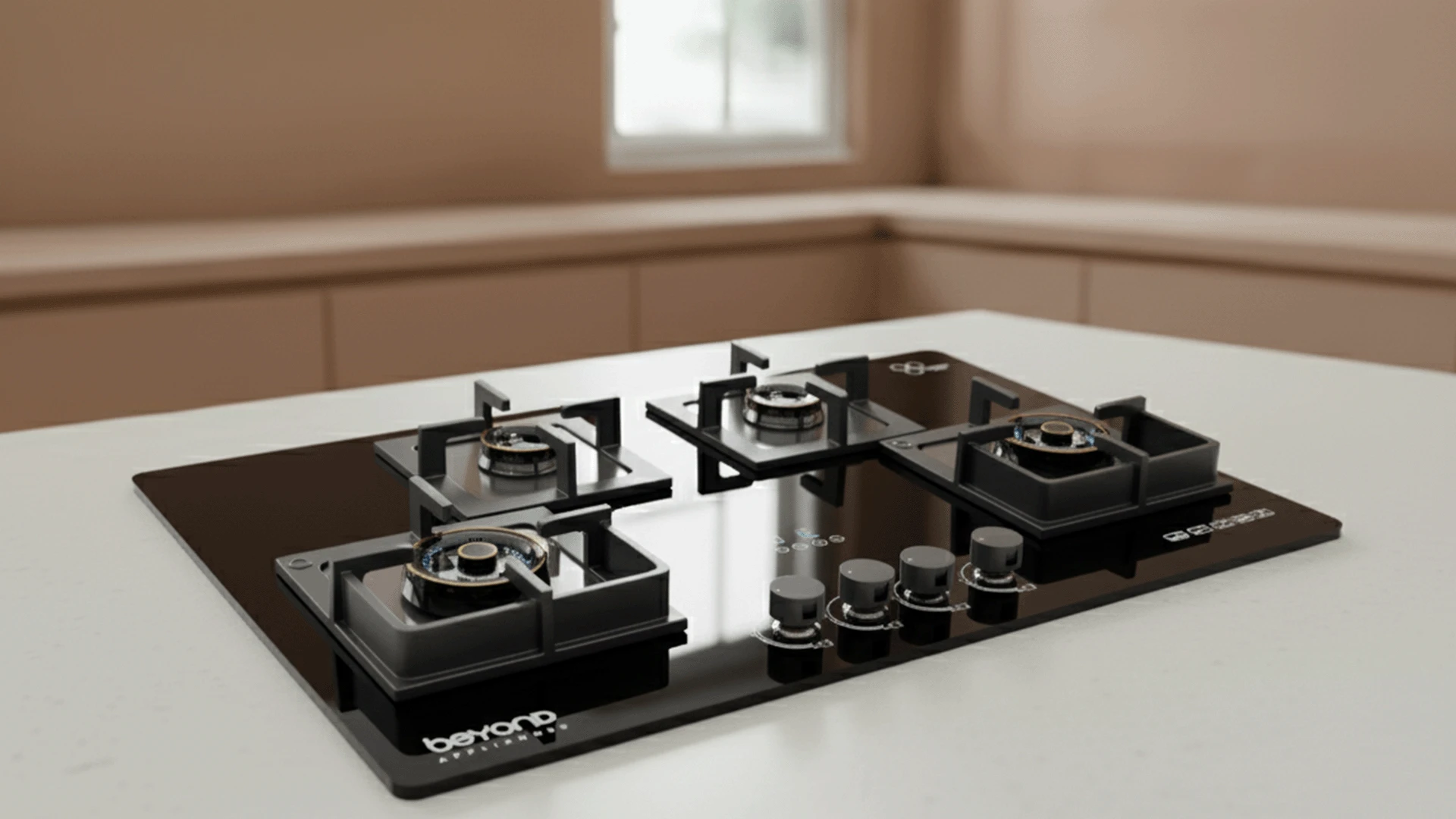
Modern kitchens demand both style and safety, making the choice between gas and induction hobs crucial for homeowners. Understanding hob flame failure device vs induction hob safety features helps you make informed decisions that protect your family while enhancing your cooking experience. Both technologies offer distinct safety advantages, but their mechanisms work differently to prevent accidents and ensure peace of mind during daily cooking tasks.
The foundation of hob safety comparison lies in understanding how each technology protects users. Gas hobs rely on flame failure devices that detect when flames extinguish unexpectedly, while induction systems use electromagnetic fields that only heat compatible cookware. These fundamental differences create unique safety profiles for each cooking method. Gas hob safety features center around preventing gas leaks and uncontrolled flames. The flame failure device acts as the primary safety mechanism, using thermocouple technology to monitor flame presence continuously. When flames go out due to wind, spillage, or other factors, the device automatically cuts gas supply within seconds. Induction technology eliminates open flames entirely, reducing fire risks significantly. The electromagnetic heating method only activates when compatible cookware sits on the surface, preventing accidental activation. This modern hob design approach creates inherently safer cooking environments, especially in busy households with children.
The hob flame failure system represents decades of safety engineering refinement. This critical component uses a thermocouple sensor positioned near each burner flame to detect heat presence continuously. When flames burn normally, the thermocouple generates electrical current that keeps the gas valve open. The flame failure device responds within 10-15 seconds when flames extinguish unexpectedly. The thermocouple cools rapidly without flame heat, stopping electrical current generation and triggering automatic gas valve closure. This rapid response prevents dangerous gas accumulation in kitchen spaces. Installation requires proper positioning of thermocouples for optimal flame detection. Professional technicians ensure correct alignment and calibration during setup, maintaining manufacturer safety standards. Regular cleaning around thermocouple sensors prevents grease buildup that could interfere with proper operation. Maintenance involves periodic testing of flame failure responses and cleaning sensor areas. Users should verify that gas flow stops when flames are manually extinguished, indicating proper device function. Annual professional inspections ensure continued safety performance and identify potential issues before they become hazardous.
Induction hob safety extends beyond basic flame prevention to include multiple protective systems. Child lock features prevent accidental activation, while touch controls require deliberate pressure patterns that young children cannot easily replicate. These digital safety measures provide peace of mind for families with curious toddlers. Automatic pan detection technology ensures heating only occurs with compatible cookware properly positioned. The system recognizes ferromagnetic materials and activates heating elements accordingly. Without suitable pans, induction surfaces remain cool, preventing burns from accidental contact.
Overheating protection monitors surface temperatures continuously, automatically reducing power or shutting down when safe limits are exceeded. This prevents damage to both the hob and cookware while maintaining safe operating conditions. Residual heat indicators warn users when surfaces remain hot after cooking. LED displays show cooling progress, preventing accidental burns during cleanup activities.
Power surge protection shields internal components from electrical fluctuations that could cause malfunctions. Built-in circuit breakers prevent overloading and reduce fire risks associated with electrical faults.
The induction hob vs gas hob safety debate involves multiple factors beyond basic operation. Fire risk assessment shows induction systems virtually eliminate open flame hazards, while gas hobs with flame failure devices significantly reduce but don't eliminate fire possibilities. Both technologies meet stringent safety standards when properly installed and maintained. Gas leak prevention relies entirely on flame failure device functionality and proper installation. Even with advanced safety features, gas systems carry inherent risks from potential leaks or component failures. Induction systems eliminate gas-related hazards completely but introduce different electrical safety considerations.
Flame failure devices typically respond within 10-15 seconds of flame extinction, while induction systems react instantly to pan removal or power interruption. This immediate response gives induction technology an advantage in preventing accidents. User error prevention capabilities differ significantly between technologies. Induction systems prevent many common mistakes through automatic pan detection and precise temperature control. Gas hobs rely more heavily on user awareness and proper technique.
Emergency shutdown procedures for gas hobs involve manual gas valve closure and ventilation. Induction systems simply require power disconnection, making emergency response simpler and faster.
Compact hob options present unique safety challenges that modern designs address through innovative engineering. Space constraints in urban kitchens require careful consideration of ventilation, clearances, and safety feature accessibility. Both gas and induction technologies adapt well to compact installations when properly planned. Ventilation requirements vary significantly between hob types in small spaces. Gas hobs need adequate air circulation for safe combustion and potential leak dispersal. Induction systems require less ventilation but need proper electrical installation with adequate circuit capacity.
Safety clearances for different hob types ensure proper operation and emergency access. Gas installations require specific distances from walls and overhead cabinets to prevent heat damage and ensure proper ventilation. Integration with modern kitchen safety systems includes smoke detection, automatic shutoffs, and smart home connectivity. These features enhance overall kitchen safety while maintaining sleek, contemporary aesthetics.
Choosing between cooktop safety features requires careful assessment of household needs, cooking habits, and risk tolerance. Families with young children often prefer induction systems for their inherent safety advantages and precise control capabilities. Professional cooks may choose gas for performance reasons while accepting additional safety responsibilities. Budget considerations include initial purchase costs, installation requirements, and long-term maintenance expenses. Induction systems typically cost more upfront but may offer lower long-term safety-related costs. Gas systems with advanced flame failure devices provide excellent safety at moderate prices. Professional installation ensures optimal safety performance regardless of chosen technology. Certified technicians understand local codes, proper clearances, and safety testing procedures that protect your investment and family.
Induction hobs generally offer superior safety due to no open flames, instant response times, and multiple protection systems. However, modern gas hobs with flame failure devices provide excellent safety when properly maintained.
Flame failure devices use thermocouple sensors to detect flame presence. When flames extinguish, the device automatically cuts gas supply within 10-15 seconds, preventing dangerous gas accumulation.
Induction hobs include child locks, automatic pan detection, overheating protection, residual heat indicators, and power surge protection for comprehensive safety coverage.
Compact hobs maintain the same safety standards as full-size models when properly installed with adequate clearances and ventilation. Size doesn't compromise essential safety features.
Test flame failure devices monthly by extinguishing flames manually and verifying gas shutoff. Induction safety features typically self-monitor but benefit from annual professional inspection.
Flame failure devices can malfunction due to dirt buildup, component wear, or improper installation. Regular cleaning and annual professional maintenance prevent most issues.
Both gas and induction technologies offer excellent safety when properly selected, installed, and maintained. Your choice should reflect household needs, cooking preferences, and safety priorities. Induction systems provide inherently safer operation with advanced protection features, while gas hobs with flame failure devices offer proven safety at competitive prices. Professional installation and regular maintenance ensure optimal safety performance regardless of your chosen technology.
