

Hob Flame Failure Devices: Built-In vs Freestanding
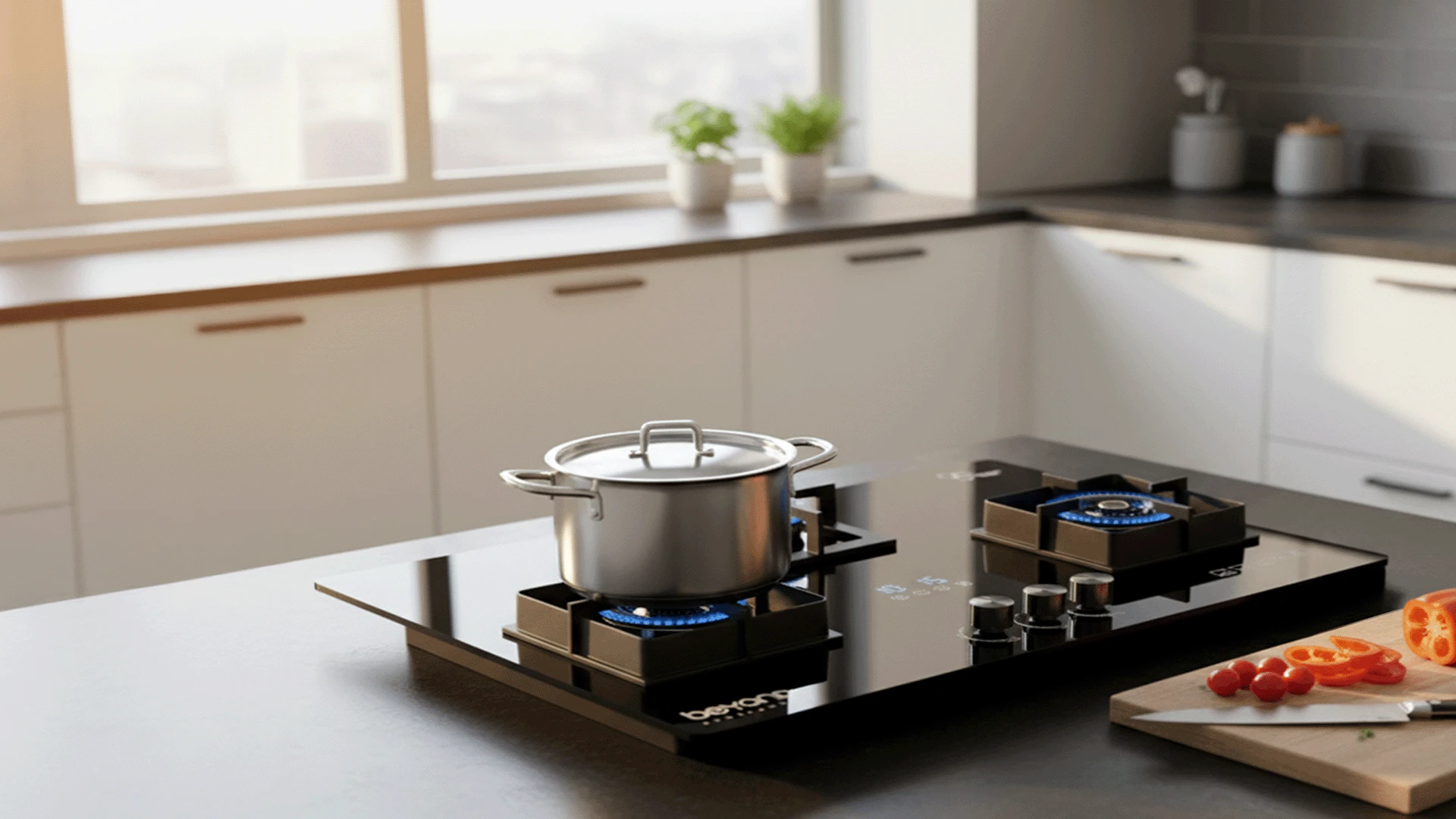
Gas cooking safety has become a top priority for modern homeowners, especially when choosing between built-in and freestanding hobs. The hob flame failure device serves as your kitchen's silent guardian, automatically cutting off gas supply when flames are extinguished unexpectedly. Understanding how these safety mechanisms differ between built-in and freestanding models helps you make informed decisions for your family's protection. Whether you're renovating your kitchen or replacing an old cooktop, knowing the safety features available can prevent dangerous gas leaks and potential accidents.
A flame failure device is an essential safety component that monitors gas flames on your hob. This system uses a thermocouple mechanism that generates electricity when heated by the gas flame. When the flame goes out unexpectedly, the thermocouple cools down rapidly and stops producing electricity, triggering an automatic gas shutoff valve. The technology works through simple physics. The thermocouple contains two different metals that create electrical current when heated. This current keeps the gas valve open. Without heat from the flame, no electricity flows, and the valve closes within 60 seconds, preventing dangerous gas accumulation in your kitchen. Hob safety standards require all modern gas hobs to include flame failure devices. These regulations exist because gas leaks cause thousands of kitchen accidents annually. The device acts as your first line of defense against carbon monoxide poisoning, explosions, and fires that could result from undetected gas leaks. Beyond safety, proper flame failure systems improve energy efficiency. They prevent gas waste when flames are accidentally extinguished by wind, spills, or boiling liquids. This feature saves money on gas bills while protecting your family from harm.
Built-in hob safety systems offer sophisticated protection through integrated design advantages. These models typically feature more sensitive thermocouples that respond faster to flame extinction. The response time often ranges from 10 to 30 seconds, significantly quicker than basic freestanding models. Advanced flame failure device technology in built-in hobs includes multiple safety sensors per burner. Some premium models feature dual thermocouples that provide redundant protection. If one sensor fails, the backup system continues monitoring flame status, ensuring continuous safety coverage.
Built-in hobs integrate seamlessly with modern hob design and smart kitchen systems. Many models connect to home automation networks, sending alerts to your smartphone when flame failure occurs. This connectivity allows remote monitoring and adds an extra layer of safety awareness.
Professional installation ensures proper calibration of safety systems. Certified technicians test flame failure device sensitivity and adjust response times according to manufacturer specifications. This professional setup guarantees optimal safety performance and compliance with local building codes.
Freestanding hob safety features provide reliable protection through standalone systems that don't require kitchen integration. These models offer flexibility in placement while maintaining essential safety standards. The flame failure devices in freestanding hobs use proven thermocouple technology that has protected kitchens for decades. Portable and standard freestanding models vary in their safety features. Compact hob design considerations for smaller units sometimes limit the size of thermocouples, but modern manufacturing ensures even compact models meet safety requirements.
Freestanding hobs require specific ventilation clearances that affect flame failure device performance. Proper air circulation helps thermocouples function accurately by preventing heat buildup that could interfere with flame detection. These clearance requirements are typically easier to maintain with freestanding models.
Freestanding models often provide easier access to flame failure device components for cleaning and maintenance. Users can inspect thermocouples visually and clean them regularly without removing built-in cabinetry. This accessibility extends device lifespan and maintains optimal safety performance.
Comparing hob flame failure device in built-in hobs vs freestanding models reveals distinct advantages for each type. Built-in systems typically offer faster response times, ranging from 10-30 seconds compared to 30-60 seconds for freestanding models. This speed difference results from more sensitive thermocouples and optimized gas flow designs.
Built-in hobs often achieve higher gas hob safety ratings due to integrated safety systems. These models frequently include additional sensors that monitor gas pressure, flame color, and combustion efficiency. Freestanding models focus on reliable basic flame failure protection with proven thermocouple technology.
Installation complexity varies significantly between types. Built-in hobs require professional installation, gas line connections, and integration with kitchen cabinetry. Freestanding models offer plug-and-play convenience with minimal installation requirements, making them ideal for rental properties or temporary kitchens.
Hob safety features extend beyond basic flame failure protection. Modern gas hobs include auto-ignition safety systems that prevent gas accumulation during lighting. These systems ensure gas flows only when ignition occurs, eliminating the dangerous gap between gas release and flame establishment. Child safety locks prevent accidental gas release or flame ignition. These mechanical or electronic locks require adult operation while keeping curious children safe from gas hazards. Some models include control panel locks that disable all functions until properly unlocked.
Overheat protection mechanisms monitor surface temperatures and reduce gas flow when excessive heat is detected. This feature prevents cookware damage and reduces fire risk from overheated oils or forgotten pans. Smart monitoring systems in premium models track usage patterns and alert users to unusual activity. These systems can detect potential gas leaks, unusual flame patterns, or extended operation times that might indicate safety concerns.
Kitchen size and layout significantly influence the choice between built-in and freestanding hobs with flame failure devices. Large kitchens with custom cabinetry benefit from built-in models that integrate seamlessly with design elements. Smaller kitchens or rental properties often work better with flexible freestanding options. Budget considerations include initial purchase price, installation costs, and long-term maintenance expenses. Built-in hobs typically cost more upfront but offer advanced safety features and design integration. Freestanding models provide excellent safety at lower initial costs with easier maintenance access.
Modern hob design trends favor smart connectivity and advanced safety features. Built-in models more easily accommodate future upgrades and smart home integration. Consider your long-term kitchen plans when selecting flame failure device technology.
A hob flame failure device uses a thermocouple that generates electricity when heated by the gas flame. If the flame goes out, the thermocouple cools, stops generating electricity, and automatically shuts off the gas supply within seconds.
Both built-in and freestanding hobs with proper flame failure devices offer excellent safety. Built-in models often have more advanced integrated safety systems, while freestanding models offer easier maintenance access.
Gas hobs must comply with safety standards including flame failure device response times under 60 seconds, gas leak prevention systems, and proper ventilation requirements as mandated by local building codes.
Flame failure devices should be tested monthly by briefly extinguishing the flame to ensure automatic gas shutoff occurs within 60 seconds. Regular testing ensures the safety system functions properly.
Gas hob installation requires certified gas technicians for safety and legal compliance. Only qualified professionals should connect gas lines and test safety systems to ensure proper operation.
Choosing between built-in and freestanding hobs with flame failure devices depends on your specific kitchen needs, budget, and safety priorities. Built-in models offer advanced integration and faster response times, while freestanding options provide flexibility and easier maintenance. Both types deliver essential safety protection when properly installed and maintained. Regular testing and professional installation ensure optimal performance regardless of your choice.
