

Essential Kitchen Ventilation Checklist: Pro Tips
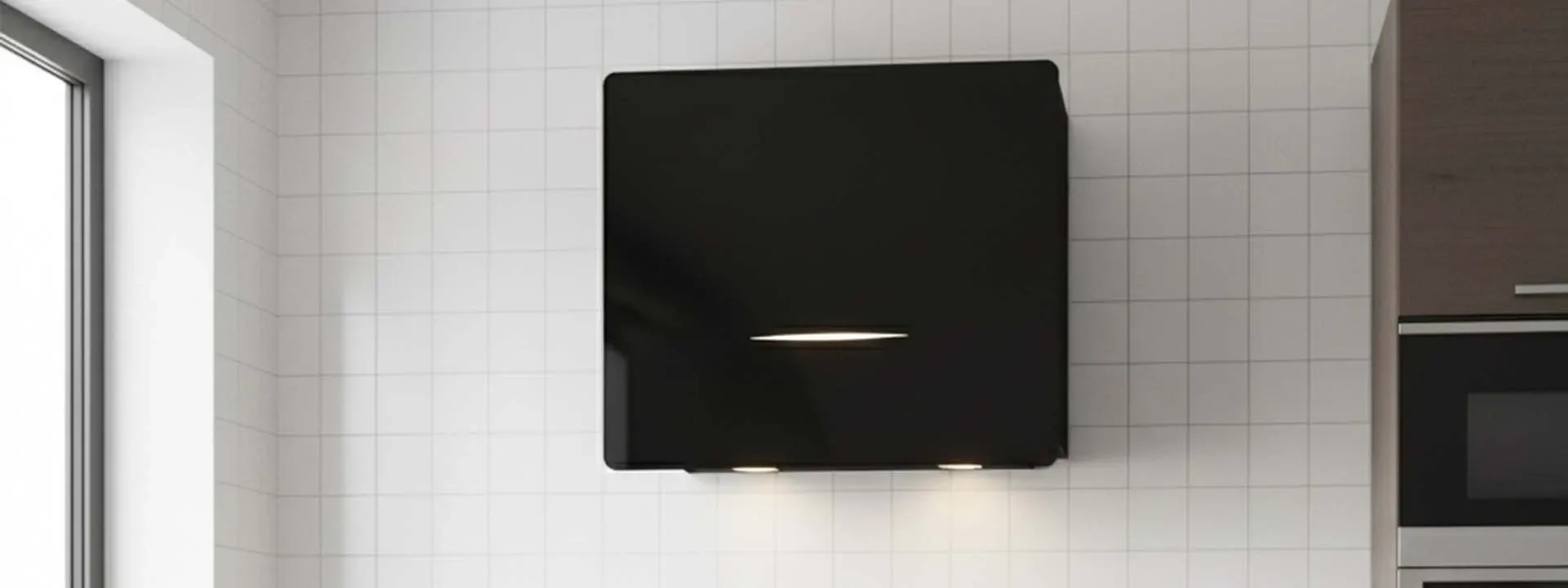
A well-designed kitchen needs more than just beautiful cabinets and countertops. The secret to a truly functional space lies in proper ventilation planning. Poor airflow can turn your dream kitchen into a smoky, greasy nightmare that affects both your health and home value. Whether you're planning a compact kitchen design or a spacious modern layout, getting the ventilation right from the start saves money and headaches later. This comprehensive kitchen layout ventilation guide walks you through every essential step to create a kitchen that breathes as beautifully as it looks.
Kitchen ventilation does far more than remove cooking odors. It protects your family's health by eliminating harmful pollutants, grease particles, and excess moisture that can lead to mold growth. Poor ventilation creates a cascade of problems that affect your entire home. Health concerns top the list of ventilation priorities. Cooking releases nitrogen dioxide, carbon monoxide, and fine particulate matter that can trigger respiratory issues. Gas stoves produce especially high levels of these pollutants. Modern kitchen ventilation systems capture these contaminants before they spread throughout your home. Building codes now require specific ventilation standards for new construction and major renovations. Most areas mandate exhaust rates of 100 cubic feet per minute (CFM) for range hoods, with higher requirements for commercial-style cooking equipment. Understanding these requirements early in your kitchen layout planning prevents costly redesigns. Energy efficiency benefits make proper ventilation a smart investment. Well-designed systems reduce the load on your heating and cooling systems by removing excess heat and humidity. This translates to lower utility bills and improved comfort year-round.
Modern kitchen ventilation systems offer multiple solutions to fit different layouts and cooking styles. Understanding your options helps you choose the best system for your specific needs and space constraints. Range hoods remain the most popular choice for kitchen ventilation. Under-cabinet models work well for standard layouts with upper cabinets. Wall-mounted hoods create a bold design statement while providing powerful ventilation. Island hoods handle the unique challenges of cooking surfaces away from walls. Each style offers different CFM ratings and noise levels to match your cooking habits.
Downdraft systems work exceptionally well for compact kitchen design where overhead space is limited. These units rise from the cooktop or countertop when needed, then retract when not in use. They're perfect for kitchen islands or peninsulas where traditional hoods would block sightlines. Ductless systems offer flexibility for challenging installations. These recirculating units filter air through charcoal and grease filters before returning it to the kitchen. While not as effective as ducted systems, they provide a viable solution when exterior venting isn't possible.
Makeup air systems become essential with high-powered ventilation. When your range hood removes more than 400 CFM, building codes often require makeup air to replace what's being exhausted. This prevents negative pressure that can backdraft other appliances or make doors difficult to open. Variable speed controls and automatic sensors enhance convenience and efficiency. Heat sensors activate ventilation when cooking begins, while timer functions ensure proper air clearing after cooking ends.
Successful kitchen ventilation starts with thorough planning before any construction begins. This systematic approach ensures your system meets both functional needs and aesthetic goals. Begin by documenting your current space and cooking habits. Measure ceiling heights, note structural elements like beams or ducts, and identify the locations of gas lines and electrical circuits. Consider how often you cook, what types of cooking you do most, and whether you entertain frequently.
Measure your kitchen dimensions carefully, including ceiling height and any obstacles like soffits or structural beams. Standard range hood installation requires 24 to 30 inches of clearance above the cooking surface, but this varies by manufacturer and local codes. Identify all heat sources in your kitchen layout ideas. Gas ranges, electric cooktops, wall ovens, and even coffee machines contribute to the total heat load. High-BTU professional ranges require more powerful ventilation than standard residential units. Evaluate existing infrastructure honestly. Check whether current electrical circuits can handle new ventilation equipment. Examine potential ductwork routes to the exterior, noting any obstacles like plumbing or structural elements.
Calculate required CFM based on your cooking equipment's total BTU output. The general rule divides total BTUs by 100 to determine minimum CFM requirements. For example, a 60,000 BTU range needs at least 600 CFM of ventilation capacity. Choose hood size based on your cooktop dimensions and layout. Range hoods should extend at least 3 inches beyond each side of the cooking surface. Island installations require even larger hoods due to cross-currents and lack of wall support for capturing cooking vapors.
Small kitchen layout challenges require creative ventilation solutions that maximize efficiency without overwhelming the space. Modern technology offers several space-saving options that deliver powerful performance in minimal footprints. Slim-profile range hoods fit under standard cabinets while providing adequate ventilation for most cooking needs. These units typically offer 300 to 600 CFM capacity in depths as shallow as 18 inches. Look for models with multiple fan speeds and efficient LED lighting.
Combination microwave-hood units serve dual purposes in compact kitchen design. These space-savers mount under cabinets and provide both cooking convenience and ventilation. While their exhaust capacity is typically lower than dedicated range hoods, they work well for light to moderate cooking. Retractable downdraft systems disappear completely when not in use. These units install flush with countertops and rise only when activated. They're ideal for kitchen islands in open floor plans where traditional hoods would obstruct views.
Remote blower systems move noisy fan motors outside the kitchen, reducing noise while maintaining powerful ventilation. The quiet operation makes them perfect for open-concept homes where kitchen noise affects living areas. Ductwork routing requires careful planning in compact spaces. Flexible ducts can navigate tight spaces, but rigid metal ducts provide better airflow and easier cleaning. Plan the shortest, straightest route possible to maximize efficiency.
Even well-intentioned kitchen layout planning can go wrong without proper attention to ventilation details. Learning from common mistakes saves time, money, and frustration during your renovation. Undersized ventilation systems rank as the most frequent error. Many homeowners choose range hoods based on appearance rather than performance requirements. A beautiful hood that can't handle your cooking style becomes a costly decoration that fails to protect your kitchen. Poor ductwork design creates bottlenecks that reduce system efficiency. Long duct runs with multiple turns significantly decrease airflow. Each 90-degree turn reduces efficiency by approximately 25 CFM. Plan the straightest possible path from hood to exterior. Inadequate makeup air planning causes problems in tightly sealed modern homes. High-powered ventilation can create negative pressure that interferes with other appliances or makes exterior doors difficult to open. Building codes increasingly require makeup air systems for installations over 400 CFM. Ignoring maintenance accessibility leads to poor long-term performance. Range hoods need regular cleaning, and ductwork requires periodic inspection. Design your system with removable panels and accessible connections for easy maintenance.
Deciding between professional installation and DIY depends on your skills, local codes, and system complexity. Understanding what each approach involves helps you make the right choice for your situation. Simple under-cabinet range hood replacement often falls within DIY capabilities for handy homeowners. These projects typically involve basic electrical connections and mounting to existing cabinets. However, any work involving gas lines or major electrical modifications requires professional expertise. Complex installations always benefit from professional help. Island hoods, downdraft systems, and makeup air integration involve multiple trades and precise coordination. Professional installers understand local codes and can obtain necessary permits. Cost considerations extend beyond initial installation. Professional work typically includes warranties and ensures code compliance. DIY mistakes can be expensive to correct and may affect insurance coverage or home sale prospects. Permit requirements vary by location and project scope. Most areas require permits for new electrical circuits, gas line modifications, or exterior wall penetrations. Professional contractors handle permit applications and inspections as part of their service.
Start by identifying your cooking style and kitchen size. High-heat cooking requires more powerful ventilation, while compact spaces may need specialized solutions like downdraft systems. Consider your kitchen's traffic patterns and whether you prefer overhead or countertop-level ventilation.
Range hoods should extend at least 3 inches beyond each side of your cooktop. For a 30-inch cooktop, choose a minimum 36-inch hood. Island installations need even larger hoods, typically 6 inches wider than the cooking surface on all sides.
Calculate CFM by dividing your range's total BTU output by 100. A 40,000 BTU range needs at least 400 CFM. Add extra capacity for high-heat cooking or if you cook frequently. Professional-style ranges may require 600 to 1,200 CFM or more.
Yes, several options work well in compact kitchens. Slim under-cabinet hoods, combination microwave-hoods, and retractable downdraft systems all provide effective ventilation without overwhelming small spaces. Focus on efficiency rather than size.
Modern options include variable-speed controls, heat sensors, LED lighting, and remote controls. Ductless systems offer installation flexibility, while makeup air integration ensures proper operation in tight homes. Choose features that match your cooking habits and lifestyle.
Start ventilation planning early in the design process. Consider ductwork routes, electrical requirements, and structural modifications before finalizing cabinet layouts. Position cooking surfaces to optimize ventilation effectiveness and ensure adequate clearances for safe operation.
Proper kitchen ventilation planning transforms your cooking space into a healthy, comfortable environment that enhances your home's value and your family's wellbeing. Success depends on understanding your specific needs, choosing appropriate systems, and planning installation details carefully. Remember that ventilation affects every aspect of your kitchen layout planning. From cabinet heights to electrical circuits, every decision impacts your ventilation system's effectiveness. Invest time in planning now to avoid costly modifications later. Whether you choose a sleek modern design or a compact solution for smaller spaces, prioritize performance over appearance. The best kitchen ventilation system is one that effectively removes cooking byproducts while fitting seamlessly into your lifestyle and budget.
