

Essential Checklist: Smart Ventilation Setup Guide
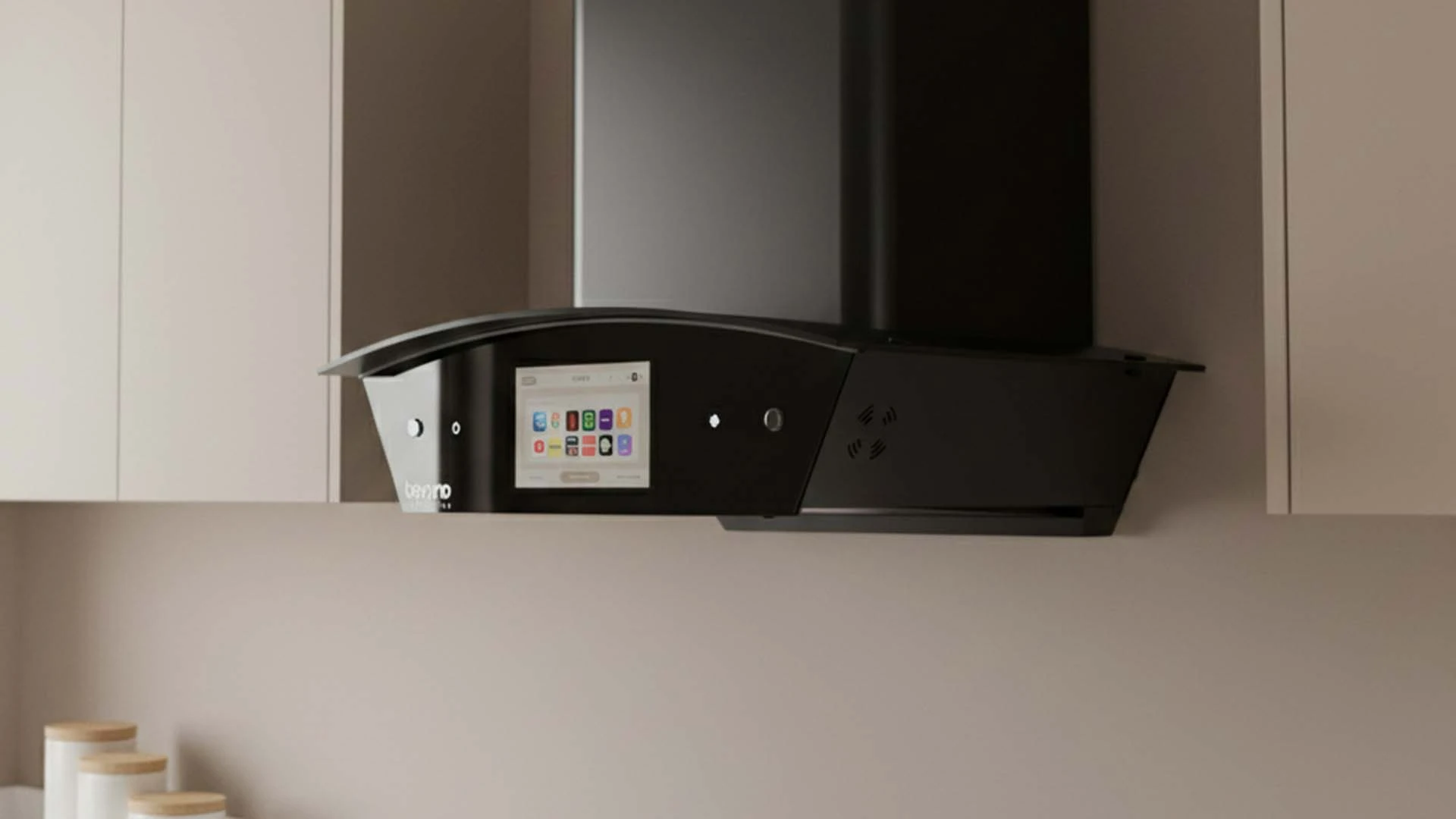
Smart ventilation has become a game-changer for modern homes, offering automated air quality control that adapts to your daily routines. Unlike traditional systems that run continuously or require manual adjustments, smart ventilation responds intelligently to occupancy, outdoor conditions, and indoor air quality levels. This comprehensive guide walks you through everything needed to set up an effective smart ventilation system that enhances comfort while maximizing energy efficiency. From understanding core components to installation best practices, you'll discover how these advanced systems transform indoor environments through precise, automated control.
Smart ventilation systems represent a significant advancement over traditional mechanical ventilation approaches. These systems use sophisticated sensors and automated controls to monitor indoor air quality continuously and adjust ventilation rates accordingly. The technology works by detecting changes in humidity, carbon dioxide levels, volatile organic compounds, and occupancy patterns to determine optimal airflow requirements. The core components include intelligent sensors that measure air quality parameters, programmable controllers that process sensor data and make ventilation decisions, high-efficiency filters that clean incoming air, and distribution systems that deliver fresh air throughout your home. Smart controllers can integrate with existing HVAC systems or operate independently, depending on your home's configuration.
Modern smart ventilation relies on multiple sensor types working together. Carbon dioxide sensors detect occupancy and breathing patterns, while humidity sensors prevent moisture buildup that can lead to mold growth. Volatile organic compound sensors identify pollutants from cleaning products, furniture, and other sources. Temperature sensors ensure optimal comfort levels while particulate matter sensors detect dust and allergens.
The brain of any smart ventilation setup is its control system. These units process sensor data in real-time and make instant adjustments to fan speeds, damper positions, and filtration levels. Advanced systems learn from usage patterns and can predict ventilation needs based on time of day, weather conditions, and historical data.
The advantages of smart ventilation extend far beyond simple air circulation. These systems provide measurable improvements in indoor air quality while delivering significant energy savings compared to traditional approaches. Fresh air ventilation becomes precisely controlled, ensuring optimal comfort without waste. Health benefits include reduced allergens, controlled humidity levels that prevent mold growth, and elimination of stale air that can cause fatigue and poor concentration. Smart systems filter incoming air, removing pollutants and particulates that traditional ventilation might introduce. The automated nature means consistent air quality without requiring constant attention or manual adjustments.
Smart ventilation systems typically reduce energy consumption by 20-40% compared to traditional mechanical ventilation. This efficiency comes from operating only when needed and at optimal levels rather than running continuously. Heat recovery features capture energy from outgoing air to pre-condition incoming fresh air, further reducing heating and cooling costs.
While initial investment may be higher, smart ventilation systems typically pay for themselves within 3-5 years through reduced energy bills. Lower maintenance requirements and extended equipment life due to optimized operation contribute to long-term savings. Many systems qualify for energy efficiency rebates that can offset initial costs.
Choosing the right type of smart ventilation depends on your home's size, existing HVAC infrastructure, and specific air quality needs. Whole-house systems provide comprehensive coverage but require more extensive installation. Retrofit options work with existing ductwork and offer easier implementation. Mechanical ventilation with smart controls offers the most precise air quality management. These systems can include heat recovery ventilation that captures energy from exhaust air to condition incoming fresh air. Demand-controlled ventilation adjusts operation based on real-time occupancy and air quality measurements.
Comprehensive systems integrate with your home's HVAC infrastructure to provide controlled ventilation throughout every room. These installations typically include central air handlers, ductwork modifications, and strategically placed sensors. While more complex to install, they offer the most consistent air quality control.
For homes with varying ventilation needs, zone-based systems allow different areas to operate independently. Kitchens might require more aggressive ventilation during cooking, while bedrooms need gentle air circulation during sleep hours. Smart dampers and multiple sensors enable this targeted approach.
Effective ventilation design starts with understanding airflow patterns and strategically placing components for maximum efficiency. Modern ventilation solutions emphasize compact installations that integrate seamlessly with contemporary home aesthetics. Proper design ensures adequate air exchange without creating uncomfortable drafts or noise. Sensor placement proves critical for accurate system operation. Air quality sensors should be positioned away from direct airflow but in representative locations that reflect overall room conditions. Compact ventilation units can be concealed within ceiling spaces or integrated into existing architectural features.
Smart ventilation systems work best when integrated with broader home automation platforms. This connectivity allows coordination with smart thermostats, lighting systems, and security systems. For example, the ventilation system can increase fresh air circulation when the security system detects occupancy or reduce operation when everyone leaves home.
Modern installations prioritize visual appeal alongside functionality. Sleek vent covers, hidden ductwork, and wireless sensors maintain clean design lines. Many systems offer customizable covers that match existing decor or architectural details.
Maximizing energy efficiency requires strategic operation that balances air quality needs with energy consumption. Controlled ventilation systems achieve this through intelligent scheduling, occupancy-based operation, and integration with existing HVAC equipment. Smart systems learn usage patterns and optimize operation accordingly. Heat recovery features capture up to 80% of energy from exhaust air, significantly reducing heating and cooling loads. Variable speed fans adjust airflow precisely to meet current needs rather than operating at fixed speeds. Integration with smart thermostats prevents conflicts between heating, cooling, and ventilation systems.
Smart systems adapt operation based on seasonal conditions. During mild weather, they may rely more on natural ventilation and reduce mechanical operation. In extreme temperatures, heat recovery becomes more aggressive to minimize energy loss while maintaining air quality.
Continuous monitoring allows systems to optimize performance over time. Data collection on energy usage, air quality improvements, and system efficiency helps identify opportunities for further optimization. Many systems provide detailed reports accessible through smartphone apps.
Successful ventilation installation requires careful planning and attention to detail. Begin with a comprehensive assessment of your home's current ventilation, identifying areas that need improvement and existing infrastructure that can be utilized. Professional evaluation helps determine the most effective system type and configuration. Pre-installation preparation includes obtaining necessary permits, scheduling utility disconnections if required, and preparing installation areas. Essential tools include ductwork materials, electrical connections, mounting hardware, and calibration equipment for sensors. Quality installation ensures optimal performance and longevity.
While some components can be installed by homeowners, complex systems typically require professional installation. Electrical connections, ductwork modifications, and system commissioning often need certified technicians. Professional installation also ensures warranty coverage and proper system operation.
Proper commissioning involves calibrating sensors, testing all system functions, and verifying proper airflow throughout the home. This process ensures the system operates as designed and identifies any issues before regular operation begins. Documentation of commissioning results provides baseline performance data.
Regular maintenance keeps smart ventilation systems operating efficiently and extends equipment life. Filter replacement schedules depend on local air quality and system usage but typically range from quarterly to annually. Sensor cleaning and calibration ensure accurate air quality measurements and proper system response. Common issues include sensor drift, connectivity problems with wireless components, and battery maintenance for remote sensors. Most systems provide diagnostic information through smartphone apps or control panels, making troubleshooting more straightforward. Professional service may be needed for complex issues or annual system optimization.
Ongoing optimization involves reviewing system performance data and adjusting settings based on changing needs or usage patterns. Seasonal adjustments, filter upgrade opportunities, and integration with new home automation devices can enhance system effectiveness over time.
Smart ventilation systems use multiple sensors to continuously monitor indoor air quality, humidity, and occupancy levels. When sensors detect changes, automated controllers adjust fan speeds, damper positions, and filtration to maintain optimal conditions without manual intervention.
Key benefits include improved indoor air quality, reduced energy consumption, automated humidity control, and enhanced comfort. Systems also provide health benefits by filtering incoming air and maintaining consistent fresh air circulation throughout the home.
Costs vary widely based on system type and home size, typically ranging from INR 50,000 for basic retrofit systems to INR 3,00,000 for comprehensive whole-house installations. Energy savings often offset initial investment within 3-5 years.
Most smart ventilation systems can integrate with existing HVAC infrastructure through retrofit installations or smart damper additions. Integration allows coordinated operation that optimizes both air quality and energy efficiency.
Regular maintenance includes filter replacement every 3-12 months, sensor cleaning quarterly, and annual professional inspection. Battery replacement for wireless sensors and software updates ensure continued optimal performance.
Smart ventilation represents a significant advancement in home air quality management, offering automated control that adapts to your specific needs while maximizing energy efficiency. Proper system selection, professional installation, and regular maintenance ensure optimal performance and long-term value. The investment in smart ventilation technology pays dividends through improved health, comfort, and reduced energy costs, making it an essential component of modern home design.
