

Contemporary Chimney Design vs Traditional Styles
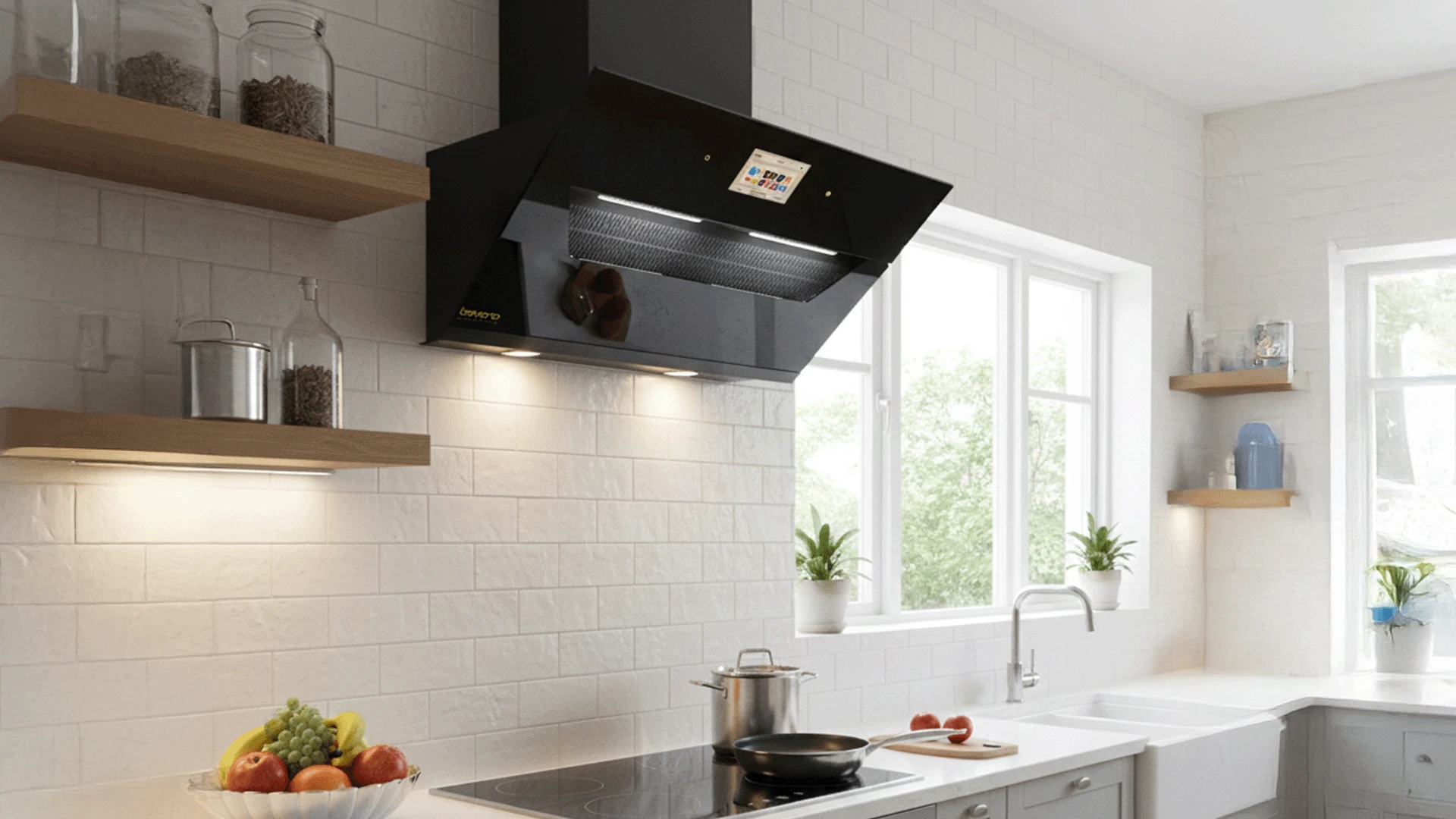
The world of fireplace design has undergone a dramatic transformation in recent decades. Where once chimneys were purely functional structures built from brick and mortar, today's homeowners can choose from an array of sophisticated contemporary chimney design options that blend seamlessly with modern living spaces. This evolution reflects changing lifestyle preferences, technological advances, and a growing emphasis on energy efficiency and aesthetic appeal. Whether you're renovating an existing home or planning a new build, understanding the differences between contemporary and traditional chimney styles will help you make an informed decision that enhances both your home's functionality and visual appeal.
Contemporary chimney design represents a fundamental shift from traditional fireplace concepts. Modern fireplace solutions prioritize clean lines, innovative materials, and seamless integration with today's interior design trends. These designs often feature sleek metal finishes, glass elements, and geometric shapes that complement minimalist and contemporary home aesthetics. The evolution from purely functional structures to design statements reflects our changing relationship with fire and warmth in the home. Today's contemporary designs serve multiple purposes: they provide efficient heating, create focal points in living spaces, and often incorporate smart technology for enhanced user control and energy management.
Modern fireplace aesthetics emphasize simplicity and sophistication. Key characteristics include flat surfaces, angular designs, and the use of materials like stainless steel, tempered glass, and powder-coated metals. These elements create visual impact through form rather than ornate decoration.
Minimalist chimney designs focus on reducing visual clutter while maximizing functionality. These solutions often feature hidden ventilation systems, flush-mounted controls, and streamlined profiles that blend into wall surfaces or ceiling designs.
Traditional chimney styles draw from centuries of architectural heritage. These designs typically feature natural materials like brick, stone, and cast iron, with decorative elements that reflect regional building traditions and historical periods. Traditional fireplace architecture often includes mantels, hearths, and ornate surrounds that create a sense of grandeur and timeless appeal. Classic chimney designs were originally developed for practical reasons - to efficiently remove smoke while providing maximum heat output. Over time, these functional requirements evolved into distinctive aesthetic elements that many homeowners still prefer for their warmth and character.
Victorian chimneys feature elaborate decorative elements, including ornate mantels, detailed tilework, and carved stone or wood surrounds. Colonial styles emphasize simpler lines but maintain substantial proportions and traditional materials.
Rustic designs celebrate natural materials and handcrafted elements. These styles often incorporate exposed brick, rough-hewn wood beams, and stone surrounds that create cozy, informal atmospheres perfect for country and farmhouse interiors.
The contrast between contemporary and traditional chimney designs extends far beyond surface aesthetics. Material choices represent one of the most significant differences. Contemporary designs favor engineered materials like stainless steel, aluminum, and tempered glass that offer superior performance and durability. Traditional styles rely on natural materials such as brick, stone, and cast iron that provide classic appeal but may require more maintenance. Shape and form factor evolution reflects changing space requirements and design preferences. Modern homes often feature open floor plans that benefit from compact modern fireplace designs that don't dominate room layouts. Traditional chimneys, with their substantial mantels and hearths, work well in homes with defined room boundaries and classic proportions.
Compact fireplace solutions maximize efficiency while minimizing space requirements. These designs often feature wall-mounted or recessed installations that preserve floor space and create clean sight lines throughout rooms.
Indoor chimney design choices reflect broader interior design philosophies. Contemporary options emphasize horizontal lines, hidden hardware, and seamless integration with surrounding surfaces. Traditional designs celebrate decorative elements and create distinct focal points through contrast and ornamentation.
Today's contemporary chimney design incorporates cutting-edge technology and innovative installation methods. Smart controls allow homeowners to adjust flame height, heat output, and even lighting effects through smartphone apps or voice commands. These features enhance convenience while providing precise control over energy consumption. Eco-friendly solutions represent another major innovation area. Modern designs often include high-efficiency combustion systems, improved insulation, and advanced ventilation that reduces environmental impact while maximizing heat output. Some contemporary models even incorporate LED lighting systems that simulate flame effects without producing heat or emissions.
Ductless chimney technology eliminates traditional venting requirements, allowing flexible installation in locations previously unsuitable for fireplaces. These systems use advanced filtration and recirculation to maintain air quality while providing heating and ambiance.
LED integration allows for customizable flame effects and ambient lighting that can be adjusted to match mood or occasion. Smart lighting features often include color-changing capabilities and programmable settings that integrate with home automation systems.
Contemporary chimney design offers solutions for virtually any space configuration. Living room installations often feature linear designs that complement modern furniture arrangements and entertainment centers. These fireplace design ideas emphasize horizontal proportions that work well with large windows and open floor plans. Small spaces benefit from compact fireplace designs that provide maximum impact with minimal footprint. Wall-mounted units, corner installations, and narrow profile designs allow homeowners to enjoy fireplace ambiance even in apartments or compact homes.
Compact solutions include narrow linear models, vertical designs, and multi-functional units that combine heating with storage or display capabilities. These options prove that space limitations don't require sacrificing style or functionality.
Outdoor fireplace designs extend living spaces into gardens and patios. Contemporary outdoor models often feature weather-resistant materials, portable designs, and clean-burning fuel options that complement modern landscape architecture.
Selecting between contemporary and traditional chimney styles requires careful consideration of multiple factors. Home architecture compatibility plays a crucial role - contemporary designs work best in modern homes with clean lines and open layouts, while traditional styles complement classic architectural elements and formal room arrangements. Budget considerations include both initial installation costs and long-term maintenance requirements. Contemporary designs often feature higher upfront costs due to advanced technology and premium materials, but may offer lower maintenance expenses over time. Traditional styles may require more frequent maintenance but often use less expensive materials and simpler installation methods.
Installation costs vary significantly based on design complexity and site requirements. Contemporary models with smart features and custom installations typically range from INR 50,000 to INR 200,000, while traditional designs may cost between INR 30,000 to INR 150,000 depending on materials and craftsmanship requirements.
Efficiency differences impact both environmental impact and operating costs. Contemporary designs often achieve higher efficiency ratings through improved combustion systems and better insulation, while traditional designs may require more frequent cleaning and maintenance to maintain optimal performance.
Latest innovations include ductless technology that eliminates traditional venting requirements, smart controls for remote operation, LED flame simulation systems, and eco-friendly combustion systems that reduce emissions while maximizing efficiency. Many contemporary models also feature modular designs for flexible installation and maintenance.
Chimney shape selection depends on room proportions and layout. Straight-line designs work well in modern homes with horizontal emphasis, while curved designs can soften angular spaces. Compact spaces benefit from vertical or corner installations, while large rooms can accommodate wider linear or island designs.
Current trends include installation in non-traditional locations like corridors and entryways, double-sided units that serve multiple rooms, suspended designs that create dramatic focal points, and integration with smart home systems for automated operation and energy management.
Contemporary designs improve efficiency through advanced combustion systems, better insulation materials, smart controls that optimize fuel consumption, and improved ventilation systems that reduce heat loss while maintaining air quality.
Modern materials include stainless steel for durability and easy maintenance, tempered glass for safety and visual appeal, powder-coated metals for color options, concrete for industrial aesthetics, and sustainable composites that combine performance with environmental responsibility.
The choice between contemporary chimney design and traditional styles ultimately depends on your home's architecture, personal preferences, and lifestyle requirements. Contemporary designs offer advanced technology, energy efficiency, and sleek aesthetics that complement modern living spaces. Traditional styles provide timeless appeal, classic materials, and decorative elements that enhance formal or rustic interiors. Both approaches can create beautiful, functional focal points that enhance your home's comfort and value. Consider factors like space constraints, maintenance preferences, and long-term goals when making your decision, and remember that professional installation ensures optimal performance regardless of style choice.
