

11 Easy Built-In Hob Cleaning Tips for a Sparkling Kitchen
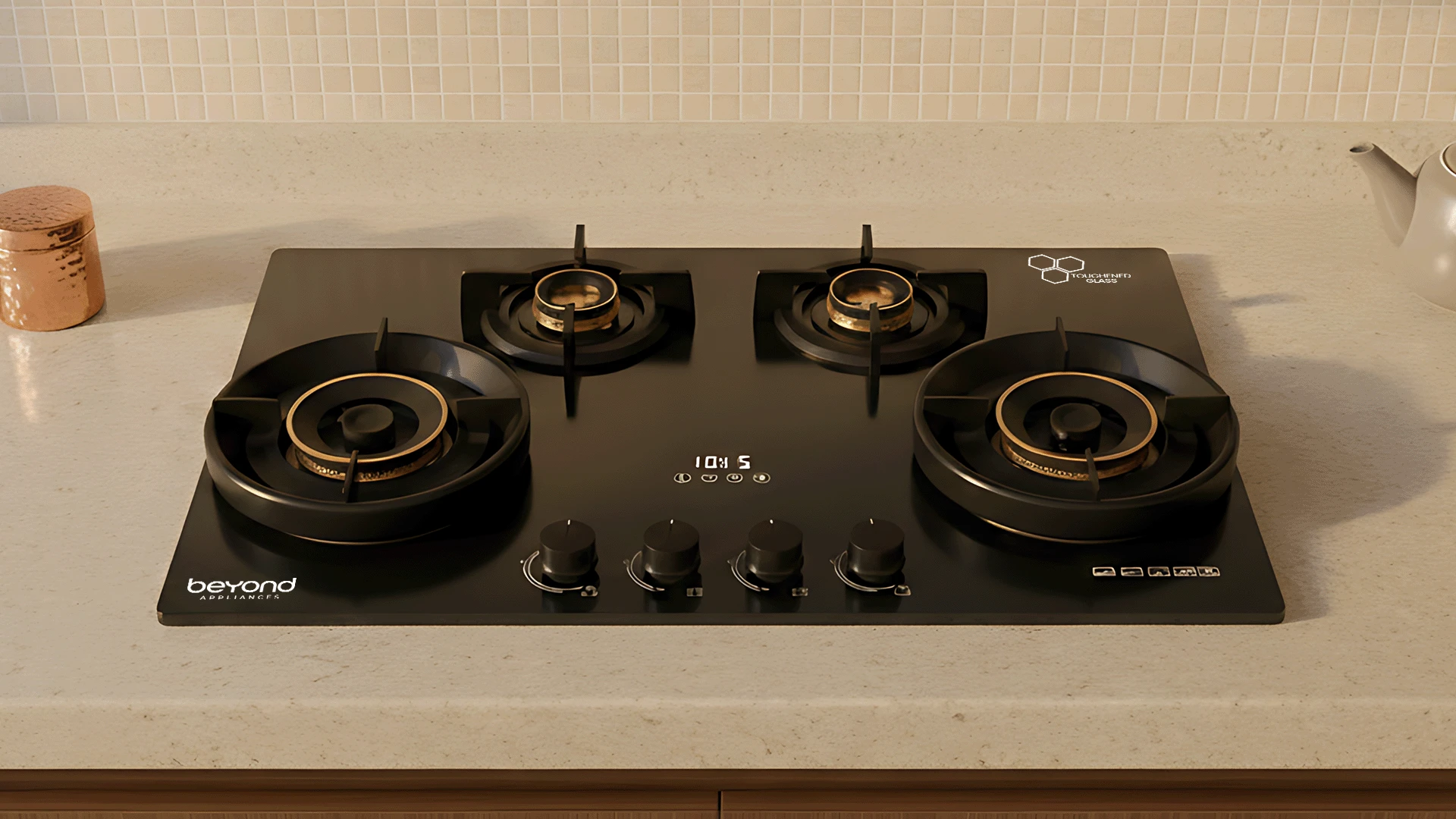
A sparkling clean built-in hob transforms your kitchen from functional to fabulous. Whether you're dealing with stubborn grease stains, burnt-on food residue, or daily cooking spills, proper hob maintenance keeps your cooking surface performing at its best. Modern built-in hobs like the Dorado Gas Hob with its cast iron support and full brass burners require specific cleaning approaches to maintain their premium finish and optimal performance. The right cleaning techniques not only preserve your appliance's appearance but also ensure food safety, extend lifespan, and maintain efficient heat distribution across all burner zones.
Daily spill cleanup and weekly deep cleaning prevent permanent stains and maintain hob performance across gas, ceramic, and induction surfaces
Use appropriate tools like microfiber cloths, specialized cleaners, and plastic scrapers to avoid damaging delicate hob surfaces
Follow manufacturer guidelines and safety protocols, including cooling periods and proper product selection for your specific hob type
Regular hob maintenance goes beyond aesthetics. A well-maintained cooking surface ensures consistent heat distribution, prevents cross-contamination between cooking sessions, and protects your investment in quality kitchen appliances.
Consistent cleaning extends your hob's operational lifespan significantly. Grease buildup can interfere with gas flow in models like the Altair Gas Hob, affecting its precision timer functionality and overall cooking performance. Clean surfaces also heat more efficiently, reducing energy consumption and cooking times.
Food safety remains paramount in any kitchen. Bacteria and food particles trapped in dirty surfaces can contaminate fresh ingredients during meal preparation. Regular cleaning eliminates these health risks while maintaining your kitchen's professional appearance.
Abrasive cleaners and steel wool can permanently scratch ceramic and glass surfaces. Many homeowners make the critical error of cleaning hot surfaces, which can cause thermal shock and cracking. Delayed spill cleanup allows stains to set permanently, requiring aggressive removal methods that may damage the surface finish.
The right cleaning arsenal makes hob maintenance effortless and effective. Quality tools protect your appliance while delivering professional-level results with minimal effort.
Microfiber cloths provide lint-free cleaning without scratching delicate surfaces. Soft sponges work well for daily maintenance, while plastic scrapers safely remove stubborn residue from glass and ceramic hobs. Specialized hob surface cleaners are formulated to cut through cooking grease without damaging protective coatings.
Avoid paper towels on glass surfaces as they can leave streaks and lint. Steel wool and abrasive pads should never touch your hob surface, regardless of the stain severity.
White vinegar mixed with equal parts water creates an effective degreasing solution for daily maintenance. Baking soda paste tackles burnt-on food without scratching, while lemon juice naturally cuts through grease buildup. These household alternatives work particularly well for routine cleaning between deep maintenance sessions.
Each hob type requires specific cleaning approaches to maintain optimal performance and appearance. Understanding your appliance's surface material ensures you choose the right products and techniques.
Induction hobs feature smooth glass surfaces that require gentle care. Always ensure the surface has cooled completely before cleaning. Apply specialized glass cleaner in circular motions, working from the center outward. Remove water spots immediately to prevent mineral buildup that can interfere with magnetic field efficiency.
Use a plastic scraper at a 45-degree angle for stubborn residue. Never use metal tools that could scratch the glass surface or damage the underlying induction coils.
Ceramic surfaces handle heat well but scratch easily. Apply cleaner while the surface is warm but not hot for best results. Work in small sections, allowing the product to penetrate burnt-on food before gentle scraping.
For heavy staining, apply baking soda paste and let it sit for 15 minutes before wiping clean. This method safely breaks down carbonized food without aggressive scrubbing that could damage the ceramic coating.
Gas hobs like the Dorado series require disassembly for thorough cleaning. Remove cast iron supports and burner caps when completely cool. Soak removable components in warm, soapy water while cleaning the main surface.
Clean burner ports with a soft brush to ensure proper gas flow. The Flame Failure Device (FFD) sensors should be wiped gently with a damp cloth to maintain safety functionality. Reassemble only when all components are completely dry to prevent rust formation.
These proven methods tackle everything from daily spills to stubborn, set-in stains. Follow these techniques in order of intensity, starting with gentle approaches before progressing to more aggressive cleaning methods.
1. Immediate Spill Cleanup: Wipe spills while cooking using a damp cloth. This prevents staining and reduces deep cleaning requirements. Keep a dedicated cleaning cloth near your cooking area for quick response.
2. Cool-Down Cleaning Routine: Clean your hob after each cooking session once surfaces reach room temperature. This timing allows easy removal of cooking residue before it hardens.
3. Gentle Daily Maintenance: Use a microfiber cloth with mild detergent solution for daily wiping. This maintains surface shine and prevents grease accumulation.
4. Grease Prevention Strategy: Apply a thin layer of cooking oil to clean surfaces before heavy cooking sessions. This creates a barrier that makes cleanup easier.
5. Specialized Cleaner Application: Apply hob surface cleaner according to manufacturer instructions. Let it penetrate for the recommended time before wiping clean with circular motions.
6. Natural Degreasing Solution: Mix equal parts white vinegar and water in a spray bottle. This solution cuts through weekly grease buildup without harsh chemicals.
7. Stubborn Stain Removal Process: Create a paste using baking soda and water. Apply to stained areas, let sit for 20 minutes, then gently scrub with a soft sponge before rinsing.
8. Protective Coating Application: After deep cleaning, apply a thin layer of specialized hob protectant to prevent future staining and make subsequent cleaning easier.
9. Complete Disassembly Cleaning: Remove all detachable components for thorough cleaning. Soak grates, burner caps, and drip trays in degreasing solution while cleaning the main surface.
10. Professional-Grade Deep Clean: Use commercial-strength degreasers for heavily soiled surfaces. Follow safety guidelines and ensure adequate ventilation during application.
11. Preventive Maintenance Inspection: Check gas connections, ignition systems, and safety devices during monthly cleaning. This ensures optimal performance and identifies potential issues early.
Consistent maintenance prevents major cleaning challenges and extends appliance lifespan. A structured approach ensures nothing gets overlooked while maintaining efficiency.
Daily tasks include immediate spill cleanup and post-cooking surface wiping. Weekly maintenance involves deep cleaning with specialized products and thorough component inspection. Monthly routines should include complete disassembly cleaning and safety system checks.
Seasonal deep cleaning addresses areas typically overlooked during regular maintenance. This includes cleaning behind the hob, checking ventilation pathways, and inspecting electrical connections on smart models like the Altair Gas Hob with its digital timer system.
Persistent odors often indicate trapped food particles in burner assemblies or inadequate ventilation. Address these issues by thorough component cleaning and checking exhaust pathways.
Uneven heating problems may result from blocked gas ports or damaged burner components. Regular cleaning prevents these issues, but persistent problems require professional service evaluation.
The best approach depends on your hob type. For gas hobs, remove grates and burner caps for separate cleaning while wiping the main surface with appropriate cleaners. Ceramic and induction hobs require gentle glass cleaners and plastic scrapers for stubborn residue. Always ensure surfaces are cool before cleaning and use microfiber cloths to prevent scratching.
Clean spills immediately during cooking, perform daily maintenance after each use, and conduct weekly deep cleaning sessions. Monthly maintenance should include complete component disassembly and thorough inspection. This schedule prevents stain buildup and maintains optimal performance.
Avoid harsh chemicals, bleach, or abrasive cleaners that can damage hob surfaces. Stick to specialized hob cleaners or mild household alternatives like vinegar solutions and baking soda paste. Always check your appliance manual for approved cleaning products, especially for smart hobs with electronic components.
Ensure all components are completely dry before reassembly. Water in gas ports or on ignition systems can prevent proper lighting. Check that burner caps are correctly positioned and gas ports are clear of debris. If problems persist, contact professional service as safety devices like FFD systems may require adjustment.
Clean electronic components with slightly damp microfiber cloths, avoiding excess moisture near control panels or timer displays. For models like the Altair with smart timer functionality, ensure control areas remain dry and free from cooking residue that could interfere with button responsiveness.
Maintaining a sparkling clean built-in hob requires consistent effort but delivers significant rewards in performance, safety, and kitchen aesthetics. The right combination of daily maintenance, weekly deep cleaning, and monthly comprehensive care keeps your cooking surface functioning optimally for years.
Remember that different hob types require specific approaches, from the cast iron components of gas models to the delicate glass surfaces of induction units. Quality appliances like those from Beyond Appliances are designed for durability, but proper care ensures you get maximum value from your investment. Establish a cleaning routine that fits your cooking habits, use appropriate products and tools, and address issues promptly to maintain your hob's peak performance and appearance.
