

How to Maintain Your Kitchen Appliances for Longevity
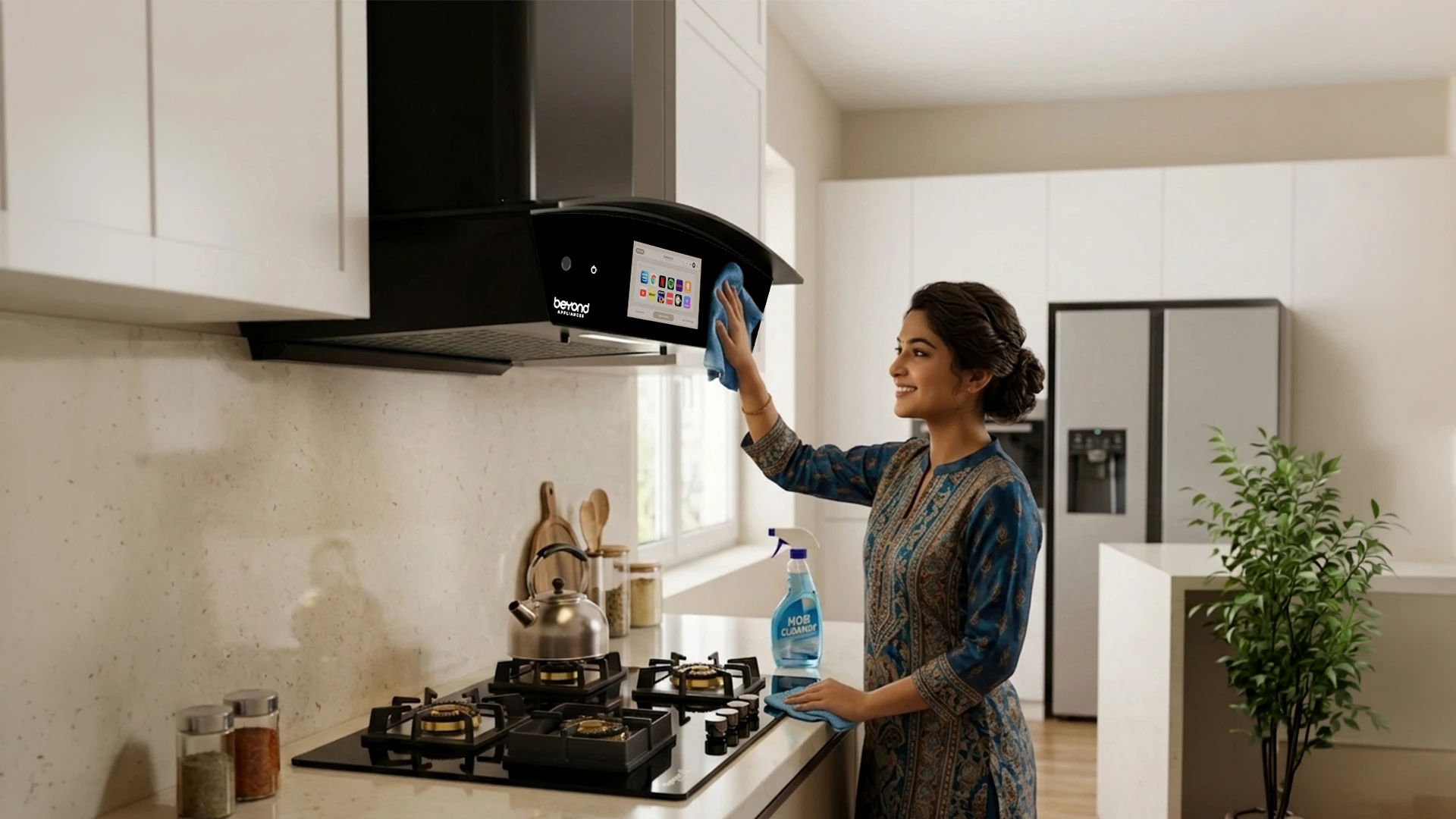
Your kitchen appliances work hard every day to make meal preparation easier and more enjoyable. From the morning coffee maker that starts your day to the dishwasher that handles cleanup after dinner, these essential tools deserve proper care to serve you well for years to come. Regular maintenance not only extends appliance lifespan but also ensures optimal performance, energy efficiency, and safety in your kitchen. Understanding the right kitchen appliance maintenance tips can save you thousands of rupees in premature replacements while keeping your kitchen running smoothly. Whether you have a compact kitchen with space-saving appliances or a modern setup with smart gadgets, proper maintenance practices remain the foundation of appliance longevity.
Successful kitchen equipment maintenance rests on three fundamental pillars: regular cleaning, routine inspection, and proper usage. These simple practices form the backbone of any effective maintenance strategy and can dramatically extend your appliances' working life.
The economics of maintenance versus replacement tell a compelling story. Regular maintenance typically costs between INR 500 to INR 2,000 annually per appliance, while premature replacement can cost INR 15,000 to INR 50,000 or more. Well-maintained appliances also operate more efficiently, reducing energy bills by 10-15% compared to neglected units.
Energy efficiency benefits multiply when appliances receive proper care. Clean refrigerator coils improve cooling efficiency, while descaled coffee makers heat water faster and use less electricity. These improvements add up to significant savings over time while reducing your environmental footprint.
Watch for these warning signs that indicate immediate maintenance needs:
Unusual noises during operation
Longer cooking or cooling times
Visible wear on seals or gaskets
Water leaks or moisture buildup
Inconsistent temperature control
Higher than normal energy bills
Small kitchen appliance care requires special attention to space constraints and ventilation challenges. Compact kitchens often mean appliances work harder due to limited airflow and storage considerations that can impact their performance and longevity.
Proper storage plays a crucial role in appliance lifespan. Store small appliances in dry, well-ventilated areas away from heat sources like stoves or direct sunlight. Avoid stacking appliances or cramming them into tight spaces where air circulation becomes restricted.
Ensure adequate clearance around appliances during operation. Most small appliances need at least 6 inches of space on all sides for proper ventilation. This prevents overheating and reduces wear on internal components.
Many compact kitchens rely on multi-functional appliances that require specialized care. Clean different functions separately and follow manufacturer guidelines for each mode of operation to prevent cross-contamination and ensure optimal performance.
Modern kitchen gadget upkeep involves unique considerations for digital displays, smart connectivity, and advanced sensors. These technological features enhance convenience but require specific maintenance approaches to function properly.
Digital displays and control panels need gentle cleaning with microfiber cloths and appropriate cleaning solutions. Avoid harsh chemicals that can damage touch screens or remove button markings. Use slightly damp cloths for routine cleaning and dry immediately to prevent moisture damage.
Keep smart appliances updated with the latest firmware to ensure optimal performance and security. Check for updates monthly and install them during low-usage periods to avoid interruption.
Clean sensors regularly with soft, dry cloths to maintain accuracy. Temperature sensors, moisture detectors, and proximity sensors can malfunction when covered with grease or dust, affecting appliance performance.
Different appliances require specific maintenance approaches based on their function and design. Understanding these unique needs helps you develop effective care routines for each piece of equipment in your kitchen.
Focus on the most critical maintenance tasks for each appliance type while establishing regular schedules that fit your lifestyle and usage patterns.
Clean condenser coils every six months using a vacuum cleaner or coil brush. Dirty coils force the compressor to work harder, increasing energy consumption and reducing lifespan. Check door seals monthly for cracks or gaps that allow cold air to escape.
Remove and clean the filter monthly to prevent food particles from clogging the drain. Run an empty cycle with dishwasher cleaner quarterly to remove mineral buildup and grease residue from internal components.
Use self-cleaning cycles sparingly, as high temperatures can stress oven components. Clean spills immediately to prevent permanent staining and check door seals for proper closure to maintain cooking efficiency.
Compact appliance cleaning requires attention to detail and regular descaling for water-using appliances. Coffee makers benefit from monthly descaling with vinegar solution, while blenders need thorough cleaning after each use to prevent odor buildup.
Eco-friendly appliance care combines environmental responsibility with effective maintenance practices. Natural cleaning solutions often work as well as commercial products while reducing chemical exposure in your kitchen environment.
White vinegar, baking soda, and lemon juice form the foundation of natural appliance cleaning. These ingredients effectively remove grease, mineral deposits, and odors without harsh chemicals that can damage appliance surfaces or harm the environment.
Energy efficient appliance tips include keeping refrigerator coils clean, using appropriate water temperatures for dishwashers, and ensuring proper oven door seals. These practices reduce energy consumption while extending appliance life.
Use minimal water when cleaning appliances by employing spray bottles and microfiber cloths. This approach conserves water while providing effective cleaning results for most maintenance tasks.
Small appliance troubleshooting begins with identifying whether issues stem from maintenance neglect or component failure. Many common problems can be resolved through proper cleaning and basic adjustments before requiring professional intervention.
Safety considerations always take priority during maintenance activities. Disconnect power before cleaning internal components, avoid using water near electrical connections, and never attempt repairs beyond your skill level.
Simple maintenance tasks like cleaning filters, replacing worn seals, and descaling can typically be handled at home. However, electrical issues, refrigerant leaks, and component replacements require professional expertise to ensure safety and warranty compliance.
Develop written maintenance schedules for each appliance and track completion dates. This systematic approach prevents neglect and helps identify patterns that might indicate developing problems.
Clean small appliances after each use, while larger appliances need weekly exterior cleaning and monthly deep cleaning. Refrigerator coils require cleaning every six months, and dishwasher filters need monthly attention.
Regular cleaning, checking seals and gaskets, and ensuring proper ventilation rank as the most critical maintenance tasks. These simple practices prevent most common appliance problems and extend operational life significantly.
Avoid using the same products on all appliances, as different materials and surfaces require specific cleaning approaches. Stainless steel cleaners work well for exteriors but can damage plastic components or electronic displays.
Consider replacement when repair costs exceed 50% of the appliance's current value, when the unit is over 10 years old, or when energy efficiency improvements would provide significant long-term savings.
Follow manufacturer maintenance guidelines exactly, keep detailed records of all maintenance activities, and use only approved cleaning products and replacement parts to maintain warranty coverage.
White vinegar removes mineral deposits and odors, baking soda tackles grease and stains, and lemon juice provides natural antibacterial properties. These ingredients work effectively without damaging appliance surfaces.
Effective kitchen appliance longevity depends on consistent maintenance practices tailored to each appliance's specific needs. Regular cleaning, proper usage, and timely attention to warning signs prevent most common problems while maximizing energy efficiency and performance.
The investment in proper maintenance pays dividends through extended appliance life, reduced energy costs, and fewer emergency repairs. By implementing these maintaining kitchen gadgets strategies, you create a more reliable, efficient, and enjoyable kitchen environment that serves your family well for years to come.
