

How to Achieve Peak Cooking Performance Every Time
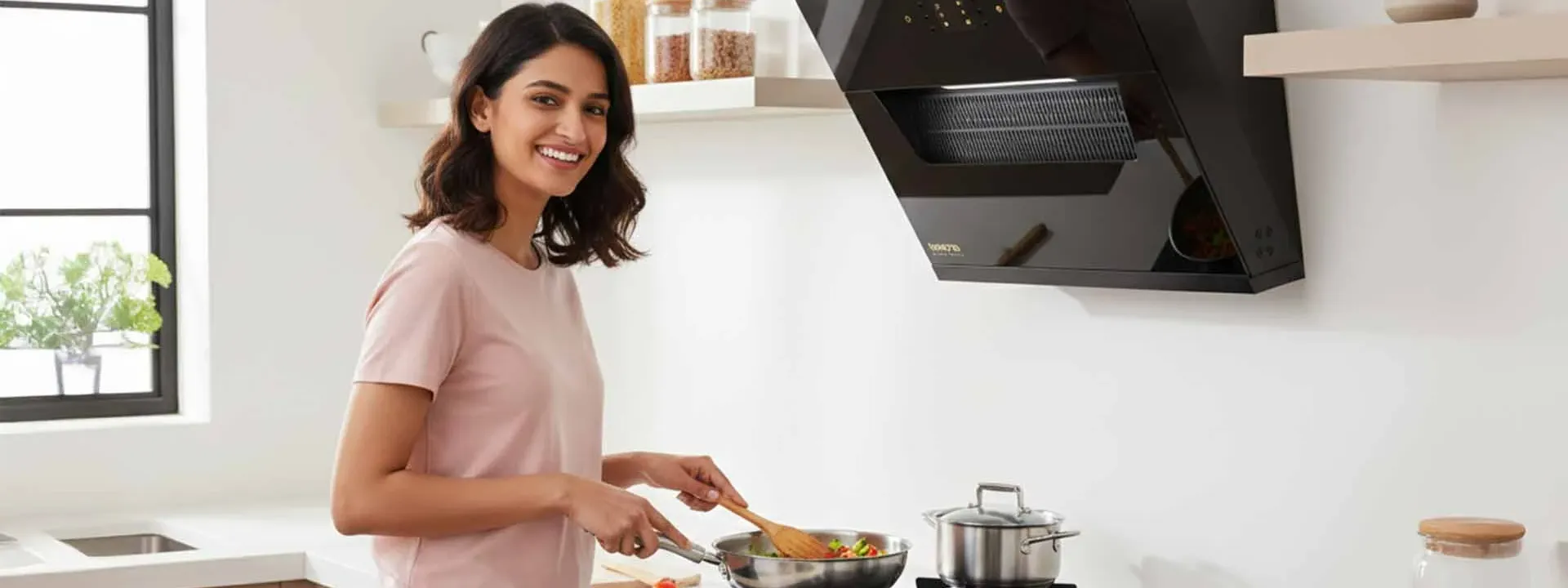
Great cooking isn't about following recipes perfectly—it's about understanding the science behind every technique and building consistent habits that deliver exceptional results. Whether you're a beginner struggling with basic skills or an experienced cook looking to elevate your performance, achieving best cooking performance requires a systematic approach that combines proper technique, smart planning, and continuous practice. The difference between good and great cooks lies not in natural talent, but in their commitment to mastering fundamental principles and developing reliable systems that work every time.
Building exceptional cooking performance starts with mastering fundamental techniques that form the backbone of every successful dish. These core skills create the foundation for everything else you'll learn, making them essential investments in your culinary journey.
Achieving best cooking performance begins with proper knife techniques that ensure consistent cuts and even cooking. Professional chefs understand that uniform cuts aren't just about appearance—they guarantee that ingredients cook at the same rate, preventing some pieces from burning while others remain undercooked. Practice basic cuts like julienne for vegetables, brunoise for fine dicing, and chiffonade for herbs. These techniques become second nature with repetition, dramatically improving both the efficiency and quality of your cooking.
High performance cooking depends entirely on mastering temperature control and understanding when to apply different heat levels. Each cooking method—sautéing, braising, roasting, or steaming—requires specific temperature ranges to achieve optimal results. Learn to recognize visual and auditory cues that indicate proper heat levels: the gentle sizzle of properly heated oil, the way vegetables should sound when they hit a hot pan, and how proteins should behave during different stages of cooking.
Smart cooking involves understanding how flavors develop and interact throughout the cooking process. Salt doesn't just add flavor—it enhances existing tastes and helps ingredients release their natural juices. Season in layers, tasting and adjusting as you cook rather than waiting until the end. Learn to balance the five basic tastes: sweet, salty, sour, bitter, and umami. This knowledge transforms ordinary ingredients into extraordinary dishes through proper seasoning timing and technique.
Efficient cooking relies heavily on preparation and organization, principles that professional kitchens have perfected over decades. These strategies eliminate stress, reduce mistakes, and ensure consistent results every time you cook.
Efficient cooking depends on organization, and mise en place—having everything in its place—is the foundation of professional cooking. Before you start cooking, gather all ingredients, measure everything precisely, and arrange tools within easy reach. This system prevents the chaos that leads to overcooked food, forgotten ingredients, and kitchen disasters. Create designated spaces for prep work, cooking, and cleanup to maintain smooth workflow throughout the cooking process.
Reading recipes like a professional involves understanding which steps are critical and which allow flexibility. Identify key techniques, timing requirements, and potential trouble spots before you begin. Cooking techniques for scaling recipes require understanding ratios rather than just multiplying quantities. Seasonings, leavening agents, and cooking times don't scale linearly, so learn the principles behind successful recipe adaptation.
Improve cooking skills by investing in quality tools that enhance your capabilities rather than hinder them. A sharp knife, heavy-bottomed pans, and reliable measuring tools make dramatic differences in cooking performance. Proper ventilation systems, like quality kitchen chimneys, remove smoke and odors while maintaining comfortable cooking environments. Well-maintained equipment performs consistently, helping you achieve reliable results every time you cook.
Once you've mastered basic skills, advanced techniques help you achieve restaurant-quality results at home. These methods require practice but deliver exceptional improvements in flavor, texture, and presentation.
Optimal cooking temperatures vary significantly between different proteins, vegetables, and cooking methods. Use instant-read thermometers to eliminate guesswork, but also develop your ability to judge doneness through visual and tactile cues. Understand carryover cooking—how internal temperatures continue rising after removing food from heat sources. This knowledge prevents overcooking and ensures perfect results with expensive ingredients.
Mastering cooking involves creating dishes with complementary textures that enhance the overall eating experience. Combine crispy elements with creamy ones, tender proteins with crunchy vegetables, and smooth sauces with textured garnishes. Learn basic plating techniques that make home-cooked meals look professional. Color contrast, height variation, and thoughtful garnishing transform ordinary dishes into memorable experiences.
Cooking methods for preparing multiple components simultaneously require careful planning and precise timing. Create detailed timelines that account for prep time, cooking duration, and resting periods. Learn holding techniques that maintain food quality while other components finish cooking. Develop backup plans for when things don't go according to schedule, because flexibility separates good cooks from great ones.
True cooking mastery comes from developing instincts that guide decision-making when recipes don't provide enough detail or when unexpected challenges arise. These skills separate confident cooks from those who panic when things go wrong.
Improve cooking skills through conscious tasting and palate development. Taste ingredients individually before combining them, and taste frequently throughout the cooking process. Learn to identify specific flavors and understand how they interact with each other. Build flavor memory by paying attention to successful combinations and noting what makes them work. This knowledge helps you create original dishes and adapt recipes to personal preferences.
Best cooking results come from knowing how to recover when things go wrong. Learn techniques for rescuing oversalted dishes, fixing broken sauces, and salvaging overcooked proteins. Understand ingredient substitutions that work and those that don't. Develop confidence in making adjustments based on available ingredients, equipment limitations, or dietary restrictions. These problem-solving skills make you a more versatile and confident cook.
Achieving best cooking performance requires establishing personal standards and tracking improvement over time. Consistency separates occasional successes from reliable expertise.
Define what best cooking results mean for your goals and lifestyle. Establish quality benchmarks for signature dishes and document successful techniques for future reference. Keep notes about what works and what doesn't, including specific brands, cooking times, and technique variations. This documentation becomes invaluable for recreating successful dishes and avoiding past mistakes.
Develop regular practice routines that challenge your skills without overwhelming your schedule. Focus on one technique at a time until it becomes automatic, then move to the next challenge. Seek feedback from family and friends, and don't be afraid to experiment with new ingredients or methods. Cooking performance tips from experienced cooks can accelerate your learning, but personal practice remains the most important factor in skill development.
Most home cooks see significant improvement within 3-6 months of consistent practice, but mastering advanced techniques can take years. Focus on building solid fundamentals before attempting complex dishes.
A sharp chef's knife, heavy-bottomed pans, instant-read thermometer, and quality ventilation system form the foundation. Beyond Appliances offers reliable cooktops and chimneys that provide consistent heat control and effective smoke removal.
Track consistency in results, reduced cooking times, fewer mistakes, and positive feedback. You'll also notice increased confidence when adapting recipes or handling unexpected challenges.
Temperature control and timing are crucial, but proper preparation and organization prevent most cooking failures. Master mise en place before focusing on advanced techniques.
Start with inexpensive ingredients like onions for knife skills, eggs for heat control practice, and simple sauces for flavor development. Focus on technique rather than expensive ingredients until you build confidence.
Achieving best cooking performance requires patience, practice, and systematic skill development. Start with fundamental techniques like knife skills and heat control, then build complexity gradually. Smart cooking involves preparation, organization, and understanding the science behind successful techniques. Remember that even professional chefs continue learning throughout their careers—embrace mistakes as learning opportunities and celebrate small improvements. With consistent practice and the right approach, anyone can develop the skills needed for exceptional cooking performance that impresses family and friends while bringing personal satisfaction to every meal.
