

Why Brass Burners Last Longer: The Ultimate Guide
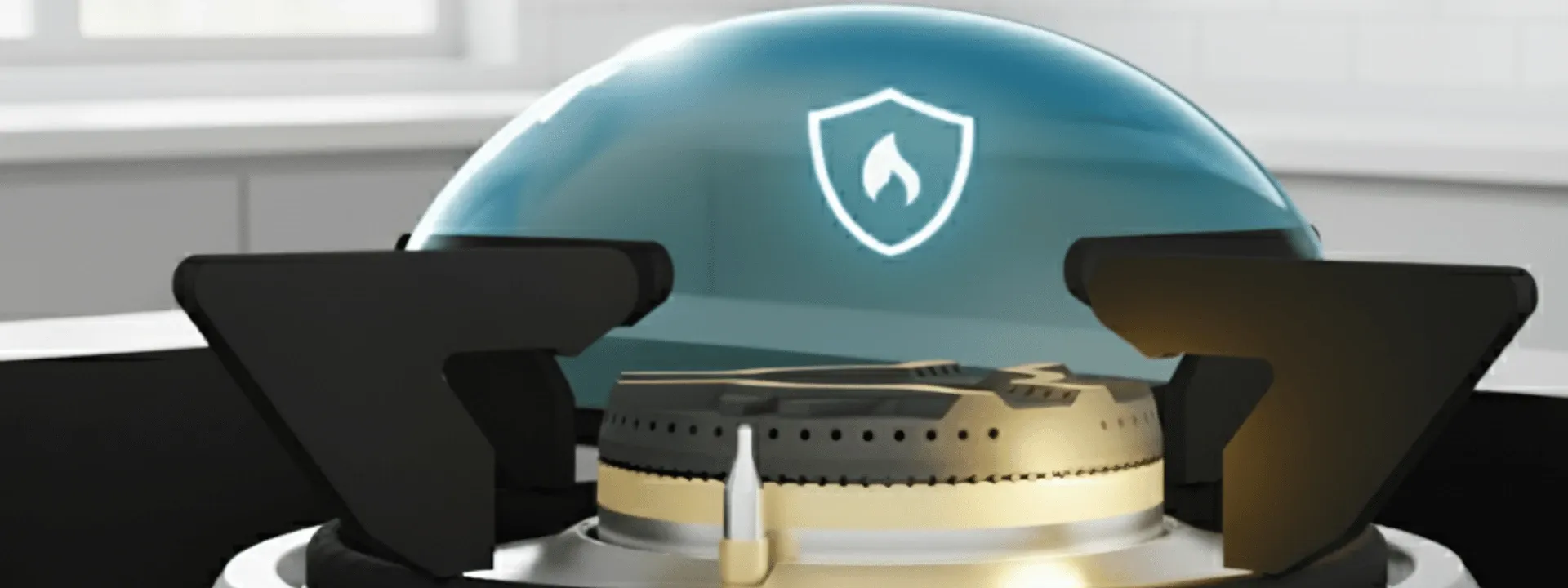
When you walk into any professional kitchen, you'll notice something interesting about the cooking equipment. Most high-end establishments rely on brass burners for their gas stoves, and there's a compelling reason behind this choice. Brass burner durability has made these components the gold standard in commercial and residential cooking applications. Understanding why brass burners last longer can help you make an informed decision for your kitchen upgrade. The material science behind brass construction, combined with proper maintenance practices, creates a cooking solution that delivers exceptional performance for years to come.
The exceptional longevity of brass burners stems from the fundamental properties of brass as an alloy. This copper-zinc combination creates a material that withstands the demanding conditions of daily cooking better than most alternatives.
Brass offers several key advantages that contribute to its remarkable durability. The alloy has a melting point of approximately 900°C, significantly higher than aluminum's 660°C. This higher threshold means brass burners maintain their structural integrity even during high-temperature cooking sessions. The density of brass provides excellent heat retention and stability. Unlike lighter materials that may shift or warp under thermal stress, brass burners maintain their shape and position. The natural corrosion resistance of brass protects against moisture damage and chemical reactions from cooking residues.
During intense cooking sessions, brass burners demonstrate remarkable resilience. The material resists warping and deformation that commonly affects other burner types. This stability ensures consistent flame patterns and heat distribution throughout the burner's lifespan. The thermal properties of brass allow for gradual heating and cooling, reducing thermal shock that can crack or damage other materials. This characteristic is particularly important for long lasting stove burners that need to perform reliably day after day.
Understanding how brass compares to alternative materials helps highlight why professional chefs and home cooking enthusiasts choose brass burners for their kitchens. Each material offers different characteristics that affect performance and longevity.
Aluminum burners are common in budget-friendly gas stoves, but they fall short in several key areas. While aluminum heats quickly, it also cools rapidly, leading to uneven temperature control. The lower melting point makes aluminum burners prone to warping under high heat. Brass burners maintain consistent temperatures and resist deformation. The initial investment in brass pays dividends through reduced replacement costs and superior cooking performance. Most brass burners last 10-15 years with proper care, while aluminum alternatives typically require replacement every 3-5 years.
Cast iron burners offer excellent heat retention but come with significant drawbacks. The weight of cast iron makes cleaning and maintenance more challenging. Cast iron also requires seasoning to prevent rust, adding complexity to routine care. Brass burners provide comparable heat retention without the maintenance burden. The lighter weight of brass makes handling easier during cleaning, while the natural corrosion resistance eliminates the need for special treatments.
Copper burners excel in heat conductivity but require extensive maintenance to prevent tarnishing and corrosion. Pure copper also costs significantly more than brass while offering minimal performance advantages for most cooking applications. Brass combines the benefits of brass burners with practical maintenance requirements. The zinc content in brass provides additional corrosion protection while maintaining excellent thermal properties.
The advantages of brass in burners extend beyond simple durability. These components enhance the overall cooking experience while providing reliable service for years.
Brass burners create even heat distribution across the cooking surface. This consistency eliminates hot spots that can burn food or create uneven cooking results. The thermal mass of brass helps maintain stable temperatures even when adding cold ingredients to hot pans. The energy efficiency of brass burners reduces gas consumption over time. Better heat retention means less fuel is needed to maintain cooking temperatures, resulting in lower utility bills and reduced environmental impact.
The smooth surface of brass naturally resists food buildup and staining. Cooking residues that might permanently mark other materials can be easily cleaned from brass surfaces. This resistance to staining helps maintain the appearance and hygiene of your cooking equipment. The anti-corrosive properties of brass protect against damage from acidic foods and cleaning products. This protection ensures that your burners maintain their performance characteristics throughout their service life.
Many commercial kitchens choose brass burners for their reliability under demanding conditions. The same durable cooking burners that serve restaurants can elevate your home cooking experience. Precise flame control and consistent heat output make brass burners ideal for techniques requiring temperature accuracy.
Proper maintenance practices can significantly extend the already impressive lifespan of brass burners. Following a structured cleaning and care routine ensures optimal performance and appearance.
After each cooking session, allow burners to cool completely before cleaning. Use warm soapy water and a soft cloth to remove food residues and grease. Avoid abrasive cleaners or steel wool that can scratch the brass surface. For stubborn stains, create a paste using baking soda and water. Apply gently with a soft brush, then rinse thoroughly. This gentle approach removes buildup without damaging the protective surface layer of the brass.
Once weekly, remove burner caps and grates for thorough cleaning. Soak components in warm soapy water to loosen accumulated grease and food particles. Use a soft brush to clean burner ports, ensuring proper gas flow. Inspect burner components for signs of wear or damage during weekly cleaning. Early detection of issues allows for timely repairs that prevent more serious problems.
Monthly maintenance should include checking gas connections and ensuring proper burner alignment. Clean the area around burner bases to prevent debris accumulation. This comprehensive approach to brass burner maintenance prevents minor issues from becoming major problems.
Choosing brass burners represents a long-term investment in your kitchen's performance and efficiency. Understanding how to select and maintain these components ensures you receive maximum value from your purchase.
When selecting a gas stove with brass burners, consider your cooking habits and space requirements. Higher BTU ratings provide more cooking power but may not be necessary for all households. Balance power requirements with energy efficiency for optimal performance. Look for models that offer easy access to burner components for cleaning and maintenance. Well-designed gas stoves make routine care simple and efficient.
Proper installation ensures optimal performance and safety. Professional installation guarantees correct gas line connections and adequate ventilation. These factors directly impact burner longevity and cooking performance. Ensure adequate clearance around burners for proper air circulation. Good ventilation prevents overheating and extends component life.
Brass burners last longer due to their superior material properties, including higher melting points, excellent corrosion resistance, and thermal stability. The alloy composition of brass provides durability that surpasses aluminum and other common burner materials.
Clean brass burners after each use with basic wiping, perform weekly deep cleaning, and conduct monthly comprehensive maintenance. This routine prevents buildup and ensures optimal performance throughout the burner's lifespan.
Yes, brass burners provide excellent value through their extended lifespan, superior performance, and reduced replacement costs. The initial investment pays for itself through years of reliable service and enhanced cooking results.
Use mild soap and water for regular cleaning. Avoid harsh chemicals, abrasive cleaners, or steel wool that can damage the brass surface. Baking soda paste works well for stubborn stains without causing damage.
With proper maintenance, brass burners typically last 10-15 years or longer. This significantly exceeds the 3-5 year lifespan of aluminum burners, making brass a cost-effective long-term choice.
Brass burners don't require special installation beyond standard gas stove setup. Professional installation ensures proper gas connections and safety compliance, which applies to all gas cooking equipment regardless of burner material.
The superior durability of brass burners stems from fundamental material advantages that translate into years of reliable cooking performance. Understanding why brass burners last longer helps you make informed decisions about kitchen equipment investments. The combination of thermal stability, corrosion resistance, and ease of maintenance makes brass the preferred choice for both professional and home kitchens. With proper care and maintenance, brass burners provide exceptional value through their extended lifespan and consistent performance. Investing in quality brass burner gas stoves ensures your kitchen remains equipped with reliable, efficient cooking equipment for years to come.
